Building homes has always been about finding materials that are affordable, durable, and easy to work with. Over the years, builders have used countless products that seemed like smart choices at the time. Some helped homes last longer, improved insulation, or made construction faster.
But as researchers learned more about the long-term effects of certain materials, many of those products fell out of use. Some were restricted, while others were removed from the market entirely because of health or environmental concerns.
Here are some construction materials that were once found in homes everywhere but would raise serious concerns today.
Asbestos Insulation
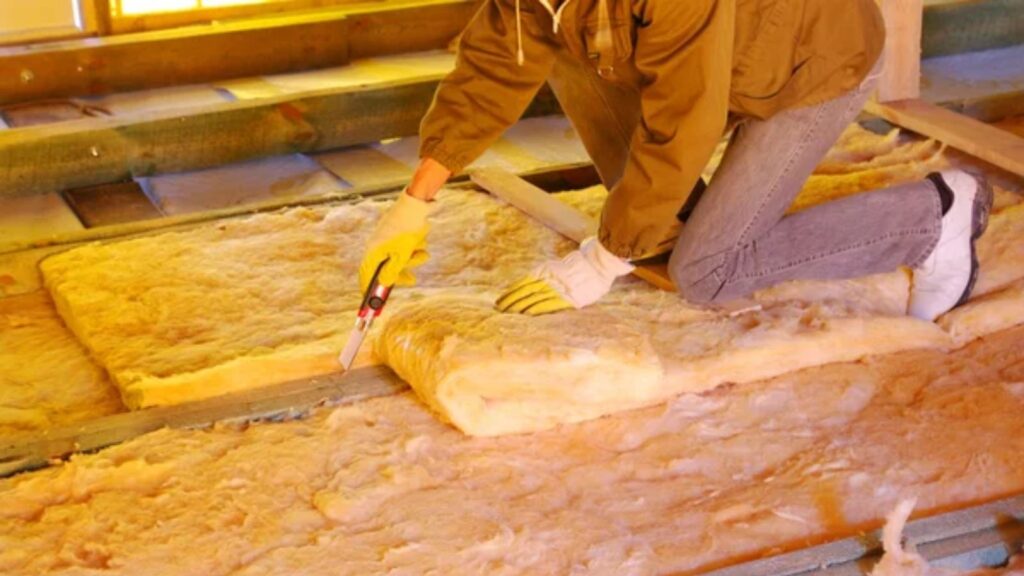
For much of the 20th century, asbestos was considered a valuable building material because it resisted heat and fire. It was used in insulation, pipe coverings, ceiling materials, and many other parts of homes.
The problem appeared when asbestos-containing materials were damaged or disturbed. Tiny fibers could become airborne and enter the lungs, where long-term exposure was linked to serious illnesses. Because of these risks, asbestos use is now heavily restricted in many places.
Lead-Based Paint
Lead paint was once a common choice for homes because it dried quickly, lasted for years, and provided strong color coverage. It could be found on walls, trim, doors, and exterior surfaces.
As older paint began peeling and turning into dust, concerns grew about lead exposure, especially among children. Research connected lead exposure to serious health problems, leading to major restrictions on its use in residential buildings.
Urea Formaldehyde Foam Insulation (UFFI)
Urea formaldehyde foam insulation became popular because it could be sprayed into small spaces and fill gaps around walls. It was promoted as a way to improve energy efficiency in homes.
Later, concerns emerged about formaldehyde emissions from the material, which could affect indoor air quality. Regulations were introduced, and its use declined significantly.
Cadmium-Plated Fixtures
Cadmium coatings were once used on metal fixtures, fasteners, and plumbing components because they helped protect against corrosion.
Over time, concerns grew about cadmium exposure because it is a toxic metal that can accumulate in the body. Its use in many construction applications is now restricted.
Mercury Thermostats
Older homes often had thermostats that relied on small amounts of mercury to measure temperature accurately. These devices worked well for many years and were widely installed.
The concern was what happened when they broke or were discarded improperly. Mercury can harm people and the environment, which is why modern digital thermostats have replaced them.
Arsenic-Treated Wood
Pressure-treated wood containing arsenic compounds was once widely used for decks, fences, playground equipment, and outdoor structures because it resisted insects and decay.
The chemicals used in this type of wood treatment raised concerns about exposure, especially as the wood aged and weathered. Newer treatments are now used instead for most residential projects.
Asphalt Tile Flooring
Asphalt flooring tiles were a popular low-cost option in kitchens, basements, and utility rooms. Many older versions contained asbestos, which helped make the tiles stronger and more resistant to wear.
The tiles themselves were not always a problem when left intact, but cutting, breaking, or removing them could release harmful fibers. This led to major changes in flooring materials.
Electrical Components Containing PCBs
Polychlorinated biphenyls, commonly called PCBs, were once used in electrical equipment because they were stable and resistant to heat.
They were later found to persist in the environment and pose health risks. PCBs were banned in many countries, and older electrical systems containing them often require careful handling during removal.
Early PVC Pipes
PVC pipes changed plumbing because they were lightweight, affordable, and easy to install. Early versions, though, raised concerns because some additives used in older products could create problems under certain conditions.
Modern PVC products are made under stricter standards, but older plumbing systems may still contain materials that do not meet current requirements.
Galvanized Steel Pipes
Galvanized steel pipes were once a standard choice for household plumbing because they were strong and coated to help prevent rust.
The coating eventually wears away, allowing corrosion to develop inside the pipes. This can reduce water flow, cause leaks, and affect water quality. Many older homes have replaced these pipes with newer plumbing materials.
Radon-Emitting Building Materials
Some building materials were later discovered to release radon, a naturally occurring radioactive gas. Certain types of stone, concrete products, and other materials became a concern in areas where radon levels were already high.
Because long-term radon exposure is linked to lung cancer, testing and prevention measures are now common in many homes.
Related:Stop Keeping These 11 Unnecessary Things in Your Home
Fiberglass Ceiling Panels
Fiberglass panels were once widely used for insulation and sound control. They helped reduce noise and improve comfort in buildings.
When damaged or improperly handled, fiberglass can release tiny particles that irritate the skin, eyes, and respiratory system. Modern installation practices focus more on safer handling and protection.
Aluminum Single-Pane Windows
Single-pane aluminum windows were common in many homes because they were inexpensive and simple to install. They were especially popular in mid-century construction.
The downside was poor insulation. They allowed more heat transfer, which often meant higher heating and cooling costs. Modern windows now focus on better energy performance.
Clay Sewer Pipes
Clay pipes were used for sewer systems for many years because the material was widely available and resistant to certain types of damage.
The weakness was their tendency to crack, shift, and allow leaks as they aged. Many older sewer systems have since been replaced with more durable options.
Early Polyurethane Foam Insulation
Polyurethane foam insulation became popular because it could seal gaps and improve insulation around a home.
Some early versions raised concerns about chemical emissions and safety during fires. Newer insulation products have been developed with updated formulas and stricter safety standards.
Why Older Homes Need Extra Attention
Many older homes still contain materials that were common decades ago. That doesn’t mean every older house is unsafe, but renovations, repairs, and remodeling projects should be handled carefully.
Knowing what materials were used in the past can help homeowners make smarter decisions before opening walls, replacing flooring, or updating old systems.