Not every popular dog breed fits easily into an average household. Some are affectionate, loyal, and highly intelligent, but they may also need hours of daily exercise, firm training, early socialization, or careful handling. Others have strong guarding or hunting instincts that can be difficult for an inexperienced owner to manage.
That doesn’t make these dogs bad pets. It means their needs can be greater than what many people expect. A dog’s appearance or popularity shouldn’t be the only reason you choose one. Your schedule, home, experience, and ability to meet the dog’s physical and mental needs all matter.
Here are 14 popular breeds that can be challenging for the average owner.
1. Pit Bull Terrier
Pit Bulls can be affectionate, playful, and closely attached to their families. They are also muscular, energetic dogs that need regular exercise, training, and good socialization.
Their strength means owners need to take training seriously. Local laws and housing rules can also affect whether owning one is practical. A responsible owner should be prepared to put in the time needed to raise a well-mannered dog.
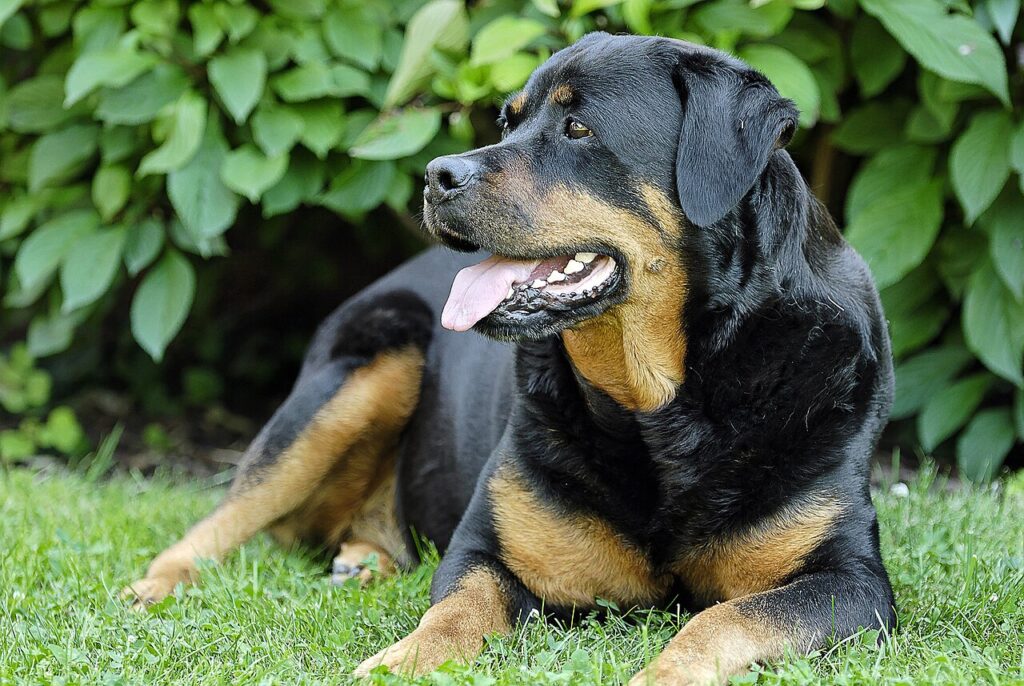
2. Rottweiler
Rottweilers are confident, loyal dogs with natural protective instincts. A well-trained Rottweiler can be calm and loving with its family, but the breed needs clear rules and regular social experiences from an early age.
Their size and strength also mean poor training can become a serious problem. They tend to do best with owners who are comfortable handling a large dog and willing to stay consistent with training.
3. Chow Chow
The fluffy appearance of a Chow Chow can make the breed look like an oversized teddy bear, but its personality can be quite different. Chow Chows are often independent, reserved, and selective about who they trust.
Some can be wary of strangers and uncomfortable with rough handling. They may be a better fit for adults who appreciate a more independent dog and are willing to respect its boundaries.
4. Akita
Akitas are large, loyal dogs that form strong bonds with their families. They can also be reserved around strangers and may have difficulty living with certain other animals.
Early socialization and consistent training are especially important with this breed. An Akita can be a wonderful companion in the right home, but its size, independence, and protective nature can be difficult for someone who has never owned a strong-willed dog.
5. Siberian Husky
Siberian Huskies are famous for their striking appearance, playful personalities, and dramatic vocalizations. They are also extremely energetic and have a reputation for finding ways out of yards and other enclosed spaces.
A Husky needs plenty of physical activity and mental stimulation. Secure fencing is a must for many owners, and training can require patience. Anyone looking for a quiet, low-maintenance dog may quickly find that a Husky is a poor match.
Related: 14 Beginner-Friendly Dog Breeds Known for Their Friendly Personalities
6. Alaskan Malamute
Alaskan Malamutes were bred for demanding work and have the strength and endurance to match. They can be affectionate and playful, but they need plenty of exercise and regular interaction with their people.
Their size and strength can make them difficult to control without good training. Their prey drive can also create problems around smaller animals. They tend to do best with owners who have enough time, space, and experience to keep them active.
7. German Shepherd
German Shepherds are intelligent, loyal, and capable working dogs. Their ability to learn quickly is one reason they are commonly seen in police, military, service, and search-and-rescue roles.
That intelligence can become a problem if the dog has little to do. A bored German Shepherd may become destructive, restless, or difficult to manage. They need exercise, training, socialization, and regular interaction rather than a quick walk around the block.
Related: 14 Beginner-Friendly Dog Breeds Known for Their Friendly Personalities
8. Doberman Pinscher
Dobermans are athletic, intelligent dogs that often form very close bonds with their owners. They can be affectionate at home while remaining alert around unfamiliar people.
Their protective instincts make early socialization and consistent training important. A Doberman also needs plenty of exercise and companionship. This breed can struggle in a home where it spends most of the day alone with little physical or mental activity.
9. Bullmastiff
Bullmastiffs are often calm and affectionate with their families, but there is no getting around their size. These are very large, heavy dogs, and even a friendly one can be difficult for an average person to physically manage.
Their size can also be a concern in homes with very young children, older adults, or limited living space. They tend to suit owners who are comfortable living with a giant breed and can handle the practical demands that come with it.
Related: 12 Dog Breeds With Expensive Grooming, Food, and Medical Needs
10. Belgian Malinois
Belgian Malinois are remarkably intelligent and athletic. They are often used for demanding working roles because they can learn quickly and stay focused for long periods.
That same drive can make them a poor choice for an average pet household. A Malinois needs serious daily activity, training, and mental stimulation. Without enough work, the dog may become frustrated and find its own ways to stay busy.
11. Australian Cattle Dog
Australian Cattle Dogs are tough, energetic herding dogs that were bred to work. They tend to be smart, alert, and ready for activity at almost any time.
A dog with that much energy can become difficult to live with if its needs aren’t met. Some may try to herd children, chase moving objects, nip at heels, or create their own activities around the house. They are often a better fit for active owners who enjoy training and outdoor activities.
12. Australian Shepherd
Australian Shepherds are bright, energetic, and very attached to their people. Their good looks can make them tempting for families looking for a friendly companion, but they are far from a couch-potato breed.
They need regular exercise and mental stimulation. Training games, hiking, agility, fetch, and other activities can give them something useful to do. Without enough activity, some Aussies can become restless, anxious, or destructive.
Related: How To Make Your Airbnb Pet Friendly: The Pros And Cons
13. Weimaraner
Weimaraners are athletic hunting dogs with plenty of energy. They usually want to be involved in whatever their owners are doing and can become very attached to their families.
That can make them difficult for people who work long hours or spend most of the day away from home. A bored or lonely Weimaraner may become destructive or overly demanding. They generally need plenty of exercise and daily time with their people.
14. Dogo Argentino
The Dogo Argentino is a large, muscular breed originally developed for big-game hunting. These dogs can be devoted to their families, but their strength and athletic ability call for a knowledgeable owner.
Training and early socialization should be taken seriously. Their size and hunting background can also make everyday situations more challenging than they would be with a smaller companion breed.
Before choosing any of these breeds, look beyond the photos and popularity. Think about how much time you have for exercise, training, grooming, companionship, and veterinary care. The right dog is the one whose needs fit your actual lifestyle, not simply the one you happen to find most appealing.