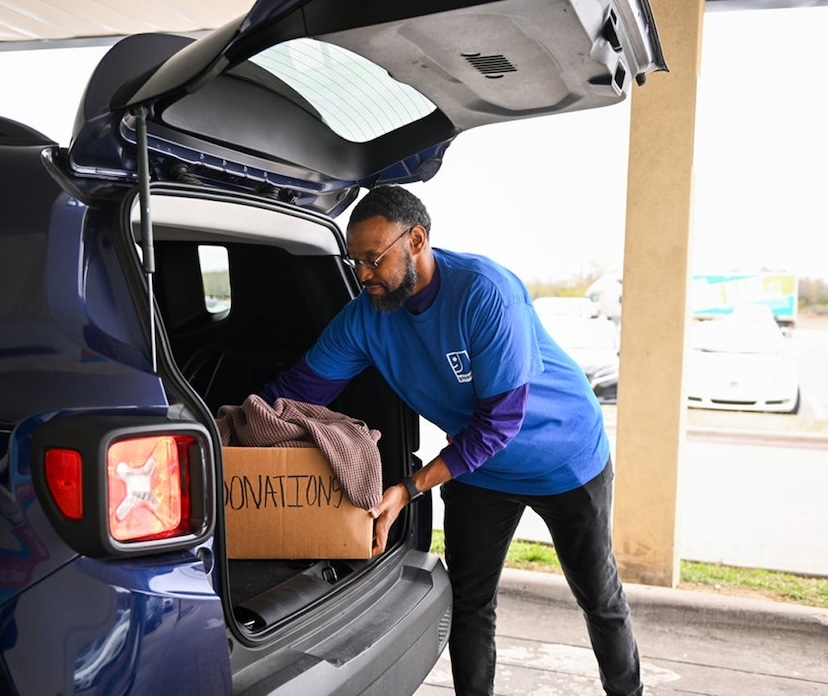
Cleaning out your home and donating what you no longer need feels like a win for everyone. You clear some space, perfectly good belongings get a second life, and thrift stores receive merchandise they can sell to support their programs.
The problem is that not everything we put in a donation pile is actually useful to the organization receiving it. Broken, unsafe, difficult to sanitize, hazardous, or expensive-to-dispose-of items can turn a well-intentioned donation into extra work and added costs for the thrift store.
Before loading up the trunk, take another look through those boxes. Acceptance policies vary considerably between organizations and locations, but these are 14 categories you’ll want to check before dropping them off.
Dirty or Unwashed Donations
Clothing, blankets, shoes, kitchenware, and other household items shouldn’t go straight into the donation pile when they’re covered in dirt, pet hair, strong odors, or food residue. Thrift stores handle enormous amounts of merchandise, so taking a few minutes to wash, wipe down, or otherwise clean what you’re donating gives the item a much better chance of actually making it onto the sales floor instead of being discarded.
Unsafe or Outdated Baby Gear
That old car seat, crib, or high chair may still look perfectly usable, but children’s products can have recalls, expiration dates, missing hardware, or outdated safety standards. Many thrift stores restrict certain baby products for exactly these reasons, so check the organization’s current policy before bringing them along.
Used Mattresses and Pillows
A mattress or pillow may look clean from the outside while still harboring stains, odors, pests, or other issues that aren’t immediately obvious. Because these items can be difficult to inspect, sanitize, store, and resell, many thrift stores either don’t accept them or have strict requirements about what they’ll take.
Expired or Unwanted Medication
Your donation box isn’t the place to unload old prescriptions, over-the-counter medications, or half-used bottles from the medicine cabinet. Medication requires proper handling and disposal, so look for an authorized drug take-back location or follow current local disposal recommendations instead.
Half-Used Household Chemicals
Paint, pesticides, solvents, cleaning chemicals, aerosol products, and other potentially hazardous substances shouldn’t automatically go into the donation pile just because there’s still some left. Leaking containers, unknown contents, and flammable or toxic products can create storage and handling problems, making a household hazardous-waste program a better option for many of these items.
Gas-Powered Equipment With Fuel Inside
An old lawn mower or trimmer might seem like a great secondhand find, but leftover gasoline or oil creates an entirely different problem. Some organizations accept certain working lawn equipment under specific conditions, but you should always call ahead rather than arriving with a machine containing fuel.
Tires, Batteries and Automotive Waste
Used tires, motor oil, automotive batteries, and similar car-related items aren’t ordinary household donations. They often require specialized recycling or disposal, so an auto-parts retailer, tire shop, or appropriate recycling facility is generally a better place to start.
Anything Broken Beyond Reasonable Use
A thrift store isn’t a free disposal service for the things you don’t want to throw away yourself. Furniture with broken legs, lamps that don’t work, dishes with major cracks, badly damaged clothing, and items missing essential pieces can leave the organization paying to dispose of something it can’t sell.
Heavily Damaged Furniture
There’s a big difference between a solid dresser with a few scratches and a sofa covered in stains, odors, tears, or structural damage. If you wouldn’t feel comfortable buying the piece in its current condition, that’s a pretty good reason to check whether it belongs in the donation truck at all.
Electronics Nobody Can Use
That enormous television or obsolete computer monitor taking up space in the basement may finally be leaving your house, but that doesn’t mean your local thrift store wants it. Electronics policies vary widely, and older or nonworking technology may need to go directly to an electronics recycling program instead.
Related: 12 Old Electronics That Are Now Considered Vintage
Large Appliances Without Checking First
Refrigerators, washing machines, dryers, stoves, and other large appliances aren’t something you should simply leave outside a donation center. Some organizations happily accept working appliances while others don’t have the equipment, storage, or procedures to handle them, making this one category where calling ahead can save everyone a lot of trouble.
Medical Equipment Without Asking
Wheelchairs, walkers, canes, hospital equipment, and other medical items may seem especially worthwhile to donate, but acceptance policies depend on the equipment and organization. A thrift store that can’t take an item may not be your only option, since organizations specializing in medical-equipment reuse may be better equipped to inspect and redistribute it.
Hazardous or Prohibited Items
Anything dangerous, hazardous, illegal, or specifically prohibited by the organization should stay out of your donation box. If you’re unsure how to dispose of a potentially dangerous item safely, check with the appropriate local waste or public-safety authority rather than leaving it at a donation center.
Opened Food, Makeup and Personal-Care Products
That barely used bottle of shampoo or expensive moisturizer may feel wasteful to throw away, but once a personal-care product has been opened, a thrift store generally can’t verify what’s happened to it. The same caution applies to opened food, while unopened and unexpired products may be useful to food banks, shelters, or other organizations that specifically accept them.