Thrift stores can be great places to find furniture, clothing, kitchenware, books, and odd little treasures that you won’t see in a regular store. The fun is in the hunt, but a low price tag doesn’t automatically make something a good deal.
Some secondhand items are so common that their thrift-store price can be close to what you’d pay for a new version. Others come with wear, hygiene concerns, or hidden problems that aren’t obvious at first glance.
Before putting something in your cart, take a minute to check the condition, compare the price with a new one, and think about how much use you’ll actually get from it. These are some of the items that often deserve a closer look.
Used Non-Stick Pots and Pans
A scratched or worn non-stick pan isn’t much of a bargain. The coating can deteriorate with years of cooking, and you usually have no idea how the previous owner treated it.
If the surface is scratched, peeling, or badly worn, leave it behind. A reasonably priced new pan gives you a better idea of its condition and history.
Related: 12 Reasons Thrift Store Prices Keep Climbing
Dollar Store Merchandise
It can be surprising to spot something at a thrift store that originally came from a dollar store and is now priced at several dollars.
Before buying, check the brand and packaging. If the item is still sold new nearby for the same price or less, there’s little reason to buy the used version.
Clear Glass Vases
Plain glass vases are incredibly common at thrift stores. You can often find shelves filled with them in different shapes and sizes.
They’re useful for flowers and decorating, but they’re also inexpensive to buy new. Unless you find an unusual shape, vintage piece, or distinctive maker, there’s usually no need to pay much for one.
Related: 10 Things You Should Never Do at a Thrift Store
Mass-Produced Artwork
Large framed prints can make a thrift-store display look more expensive than it really is. Many of these pieces were mass-produced and originally sold through department stores or home decor chains.
Look at the back of the frame and check for a signature or information about the artist. If it’s a common reproduction with an inflated thrift-store price, you can probably find something similar elsewhere for less.
Decorative Seashells and Rocks
Bags of shells, polished stones, glass pieces, and other decorative fillers sometimes show up with surprisingly high price tags.
These materials are widely available at craft stores and garden centers, and some can be collected legally for free depending on where you live. Unless the pieces are unusual or part of a collectible set, compare prices before buying.
Pine Hutches and Oversized Country Furniture
Old pine hutches can have plenty of personality, but they’re also large, heavy, and often difficult to fit into a modern home.
Some are priced as antiques simply because they look old. Check the construction, condition, age, and maker before paying a premium. A common pine cabinet with peeling finish and damaged hardware may require more money and work than it’s worth.
Related: 10 Massive Thrift Stores in the Bay Area Every Thrifter Should Know About
Plastic Food Storage Containers
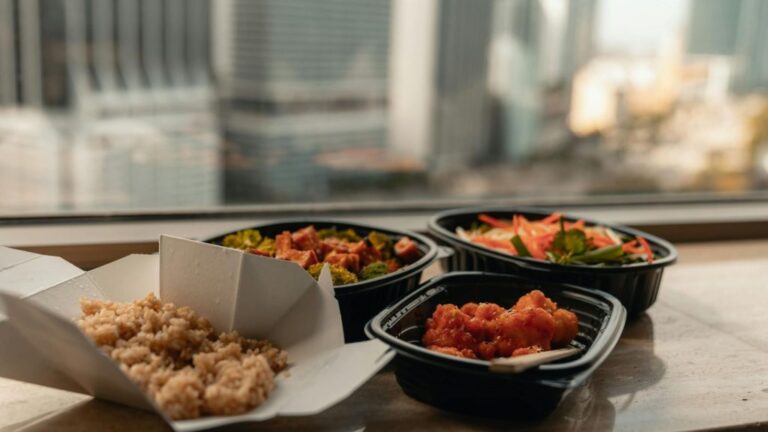
Buying used food containers isn’t usually worth the small amount of money you might save. Plastic can absorb odors and stains, and there’s no way to know how the previous owner used or heated the containers.
New food storage sets are widely available at modest prices. Getting a fresh set also means you know exactly what you’ve bought and how it has been handled.
Stuffed Animals
A stuffed animal might look perfectly clean on a thrift-store shelf, but plush toys can hold dust, odors, pet hair, and allergens.
Older stuffed animals can also be difficult to clean without damaging them. If you’re buying one for a child, inspect it closely and think about whether the price makes sense compared with a new washable toy.
Bed Pillows
A used pillow is one thrift-store purchase that’s easy to skip. The outside may look spotless, but the filling has been exposed to years of use.
Pillows can collect sweat, skin oils, dust, and allergens. New pillows are inexpensive enough that buying one secondhand rarely offers much benefit.
Pet Beds
A used pet bed can look like a bargain until you get it home and notice the lingering smell.
Pet beds can contain hair, dander, stains, and other residue that’s difficult to remove completely. Since new pet beds are available at many price points, the savings from buying used may not be worth the hassle.
Damaged Particle Board Furniture
Particle board furniture can be perfectly useful when it’s in good condition, but water damage and heavy wear can be difficult to fix.
Check carefully for swollen edges, peeling laminate, cracked sections, loose hardware, and sagging shelves. A damaged piece may look inexpensive at the register but become much more expensive once you start replacing parts or trying to repair it.
Vacuum Cleaners
A used vacuum can be tempting, especially if it comes from a familiar brand. The problem is that the outside doesn’t tell you much about the condition of the motor, filters, hose, brush roll, or other internal parts.
If the store lets you test it, check the suction and listen for unusual noises. Also look for missing attachments and clogged filters. Unless the price is low enough to justify the risk, a new vacuum with a warranty may be the better buy.
Think Beyond the Price Tag
Thrift shopping works best when you look at the whole deal rather than assuming every used item is automatically cheap.
Check what the item originally cost, compare it with current new prices, and inspect it for damage or wear. A $5 item isn’t a bargain if you’ll have to replace it next week, and a $20 secondhand piece isn’t necessarily a deal if a new version costs $18.
The best thrift-store finds are the ones that give you useful quality for less money. Sometimes that means walking away from something that looks like a bargain.