If you thrift regularly, you’ve probably had at least one moment lately when you looked at a price tag and thought, “Wait, isn’t this supposed to be the thrift store?”
Shoppers are noticing the same thing. In one lengthy discussion among longtime thrifters, people described finding used clothing, furniture, electronics, and household goods priced surprisingly close to or occasionally above the cost of buying comparable items new.
It’s especially frustrating because so much thrift store inventory is donated. But free merchandise doesn’t necessarily mean a store is free to operate, and rising expenses are only part of what’s happening.
The secondhand market itself has changed dramatically. Thrifting is bigger, online resale has made used-item values easier to see, and major thrift organizations have become much more sophisticated about determining what donated merchandise may actually be worth.
Here are some of the biggest reasons thrift store prices keep climbing.
The Cost of Running a Thrift Store Has Gone Up
Donations may arrive for free, but almost everything that happens afterward costs money.
Stores still have to pay employees, keep the lights on, heat and cool large retail spaces, insure their operations, maintain buildings, transport donations, process inventory, and dispose of merchandise they can’t sell.
Labor Isn’t Free Either
There’s a common misconception that nonprofit thrift stores are largely staffed by volunteers. While volunteers certainly help some organizations, large thrift operations also employ paid workers to accept donations, sort merchandise, price items, stock shelves, operate registers, manage warehouses, and run stores.
Retail wages have been rising, too. Bureau of Labor Statistics data show average hourly earnings across retail trade increasing in recent years, adding another expense for stores processing thousands of donated items.
So even when a shirt costs the store nothing to acquire, someone still has to receive it, inspect it, sort it, price it, hang it, move it onto the sales floor, and eventually ring it up.
Thrifting Has Become Much More Popular
Thrifting isn’t the niche shopping habit it once was. Secondhand has become a major part of the retail industry, fueled by shoppers looking for bargains, vintage clothing, sustainability, and items they can’t find in traditional stores.
According to ThredUp’s 2026 Resale Report, the global secondhand apparel market is projected to reach $393 billion by 2030 and grow twice as fast as the overall apparel market. In 2024 alone, the U.S. secondhand apparel market grew 14%, according to its previous report.
When something becomes more popular, sellers have more information—and more incentive—to figure out what shoppers are willing to pay.
Online Resale Made Used Stuff More Valuable
Poshmark, eBay, Mercari, Facebook Marketplace, Depop and other marketplaces didn’t simply make reselling easier. They helped create a much larger market for secondhand goods.
Online resale grew 23% in 2024 and is projected to reach roughly $40 billion in the U.S. by 2029, according to ThredUp’s research.
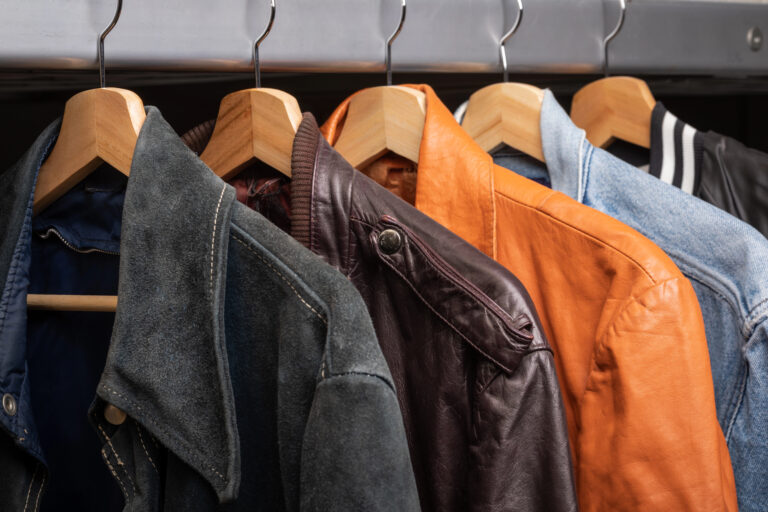
That means thrift stores aren’t operating in the same secondhand world they were 20 years ago. A vintage jacket isn’t necessarily viewed as an old donated jacket anymore—it may be viewed as merchandise with a measurable resale value.
Valuable Donations Are Increasingly Being Sold Online
The treasure hunt hasn’t disappeared, but some larger thrift organizations now have another place to send merchandise besides the sales floor: the internet.
Goodwill operates online shopping channels that allow participating local organizations to sell donated merchandise to customers far beyond their neighborhoods. ShopGoodwill alone features hundreds of thousands of items from more than 150 Goodwill organizations in the United States and Canada.
That gives thrift organizations an opportunity to reach a much larger pool of buyers for collectibles, jewelry, electronics, vintage pieces, and other potentially valuable donations instead of relying solely on whoever happens to walk into a local store.
Brand Names Carry More Weight Than They Used To
This may be one of the most noticeable changes for longtime thrifters. Recognizable labels can sometimes receive noticeably higher prices simply because they’re recognizable. Shoppers have reported seeing brand-name clothing priced substantially higher than surrounding merchandise even when an item’s condition isn’t particularly good.
That doesn’t mean every thrift store follows this approach, but increasingly sophisticated pricing makes it less likely that every pair of jeans or handbag will receive the same generic price.
And that’s exactly why finding an overlooked designer piece for $4 can feel harder than it used to.
Thrift Stores Know Resellers Are Making Money
Professional reselling has also made the potential value of thrifted merchandise impossible to ignore. Someone can buy a vintage jacket for $8 and potentially resell it online for $80. A collectible purchased for $5 might sell for $100.
Stores have become much more aware of that secondary market.
That doesn’t necessarily mean “resellers caused thrift prices to rise.” The secondhand market is far more complicated than that. But widespread online reselling has made pricing information more accessible to everyone, including the organizations receiving the donations.
Some Thrift Stores Are Pricing More Like Traditional Retailers
Large thrift chains increasingly operate sophisticated retail businesses rather than simply putting donated items on shelves at rock-bottom prices.
There are inventory systems, pricing strategies, e-commerce operations, marketing departments, warehouses, donation centers, loyalty programs, sales schedules, and dedicated employees.
Goodwill is also not one centrally operated chain. The organization says it consists of 150 independent local nonprofits, meaning pricing and retail decisions can differ substantially from one region to another.
That’s one reason a Goodwill in one city can feel incredibly affordable while another location may leave you wondering whether you accidentally walked into an antique store.
Related: Why Thrift Stores Are Replacing Traditional Shopping for Many People
Unsold Donations Still Cost Stores Money
Not everything dropped at a donation center is something another person wants to buy.
Stores have to sort enormous quantities of merchandise, and some of it will never sell. Damaged furniture, broken electronics, heavily worn clothing, incomplete items, and simply undesirable merchandise still take employee time to process.
Then there is the expense of moving, recycling, or disposing of whatever remains.
This is another reason the argument that “they got it for free” doesn’t tell the whole story. The inventory may be donated, but processing that inventory isn’t.
More Shoppers Are Competing for the Same Great Finds
Thrift-store inventory may seem endless, but the truly desirable portion of it isn’t.
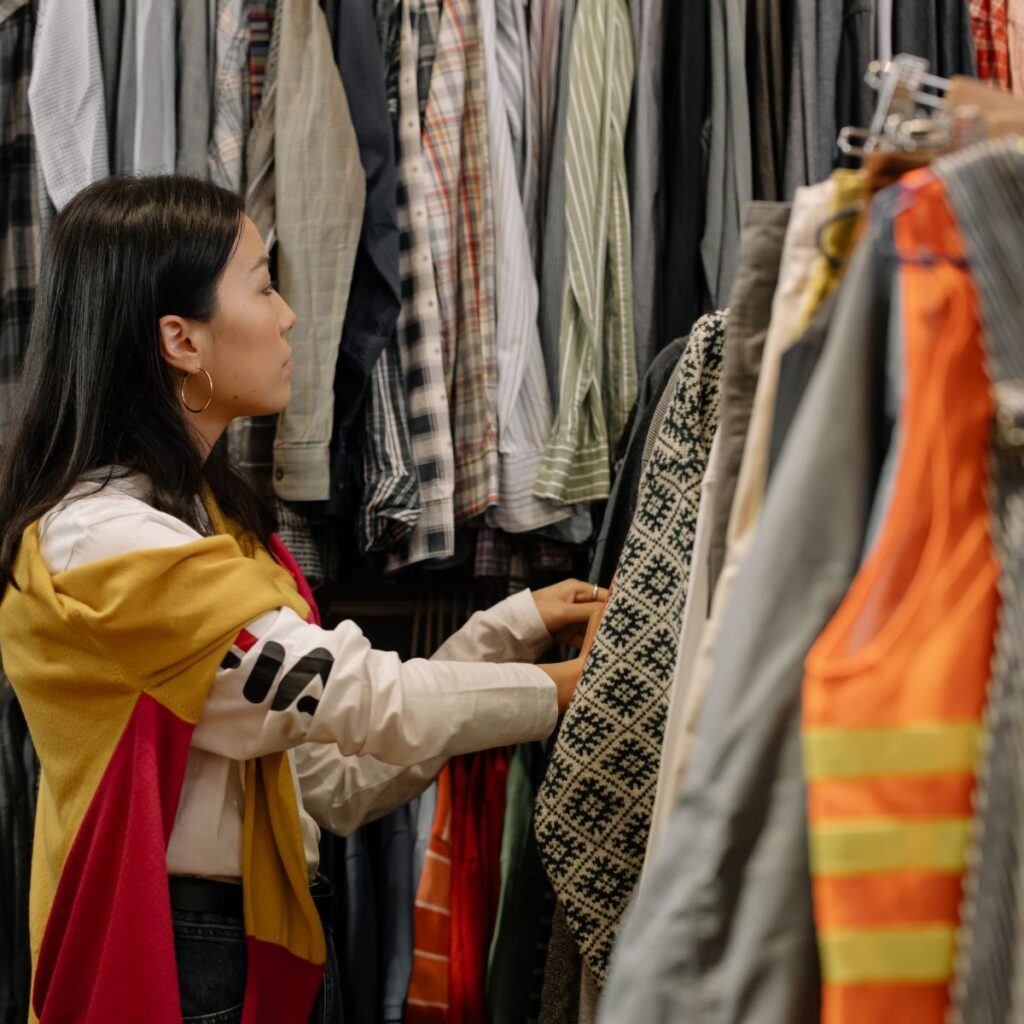
There may be racks and racks of clothing, yet only a handful of vintage, designer, natural-fiber, collectible, or particularly high-quality pieces. As secondhand shopping attracts more consumers, more people are looking for those same standout finds.
ThredUp’s research shows just how mainstream secondhand shopping has become, with the U.S. market growing significantly faster than traditional clothing retail in recent years.
More demand gives retailers additional room to charge more for merchandise they know shoppers want.
Location Can Make a Huge Difference
There really isn’t one universal “thrift store price.” A store in an expensive metropolitan area has different expenses and customers than a rural charity shop. Even stores carrying the same name can have very different pricing strategies.
This is particularly important with Goodwill because its stores are operated by independent regional organizations rather than one national entity setting every price.
That’s why traveling 15 or 20 miles to another thrift store can sometimes feel like entering an entirely different pricing universe.
Thrift Stores Have More Data Than Ever Before
Perhaps the biggest underlying change is simply information. Thrift stores can now research brands, identify collectibles, monitor what shoppers buy, compare online prices, track sell-through rates, and move potentially valuable merchandise online.
That makes pricing donated merchandise much less random than it once was.
Unfortunately for those of us who love the thrill of finding something wildly underpriced, smarter pricing can also mean fewer accidental $5 finds.