Walk into a high school today and you’ll probably see classes in coding, digital design, business technology, and other subjects that weren’t even part of a typical school schedule decades ago.
For Baby Boomers, high school could look very different. Along with math, English, and science, many students took classes that focused on practical skills they could use at home, in an office, or on the job. Typewriters, drafting tools, sewing machines, and shop equipment were common sights in classrooms.
Some of these subjects still exist in one form or another, but many have been renamed, folded into broader courses, or dropped from regular schedules. For students today, some of these old classes might sound downright unusual.
Here are 10 classes that many Boomers remember from their high school years.
Typing
Typing was a serious school subject before computers became part of everyday life. Students sat at rows of typewriters and practiced hitting the right keys without looking down.
Speed mattered, but so did accuracy. A student who could type quickly and cleanly had a useful skill for office work, especially at a time when nearly every document had to be typed by hand.
Office Practice
Office practice was pretty much what it sounds like: a class for students preparing for clerical and administrative jobs.
Students could learn how to file documents, answer business phones, keep records, prepare correspondence, and handle routine office tasks. For teenagers planning to work in an office after graduation, these lessons had a clear purpose.
Related: 15 Things Cluttering Your Home That Need to Be Thrown Away
Shorthand and Stenography
Before voice recordings and digital note-taking, shorthand was a useful way to get information onto paper quickly.
Students learned systems of abbreviated symbols that allowed them to take notes much faster than writing every word in longhand. Shorthand was especially useful for secretaries, reporters, and other office workers who had to record conversations or dictation.
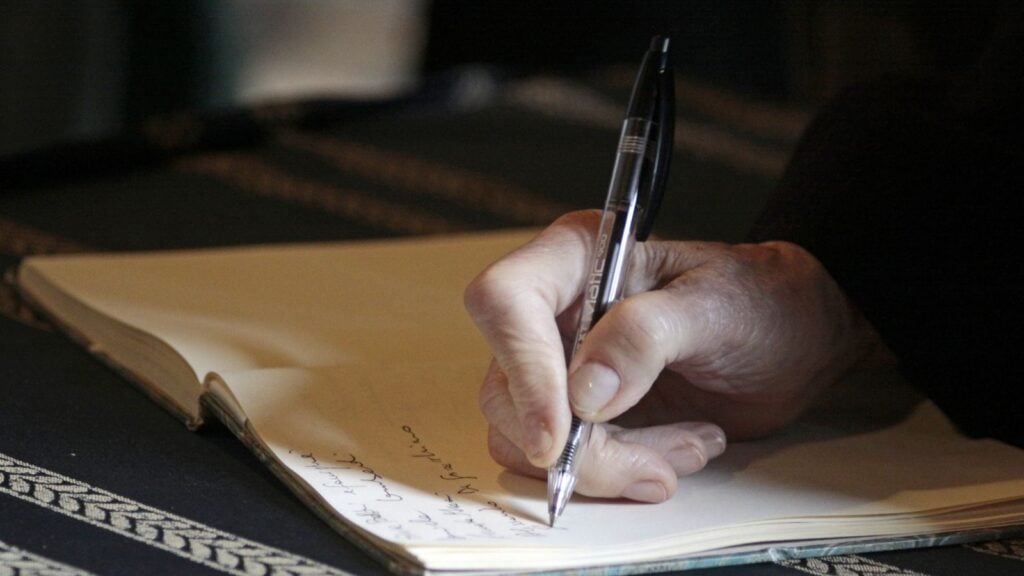
Penmanship
Neat handwriting was once treated as a skill worth spending serious classroom time on. Students practiced letter formation, spacing, cursive, and writing clearly enough for other people to read.
There was no printer or keyboard to fall back on for a handwritten note or business letter. Good penmanship was simply part of being able to communicate on paper.
Home Economics
Home economics covered a wide range of everyday skills. Depending on the school, students might learn cooking, sewing, meal planning, budgeting, laundry, and basic household management.
The old-fashioned home economics class has become less common, though similar subjects still appear in some schools under names such as family and consumer sciences.
Related: The Home Economics Skills Many Young Adults Wish They’d Learned Sooner
General Shop
General shop gave students time to work with their hands. Classes could cover basic woodworking, metalworking, tool use, and simple repairs.
Students learned how to handle equipment safely and complete practical projects. Even teenagers who never planned to work in a trade could come away knowing how to use common tools and build or repair basic items.
Woodshop
Woodshop was a memorable class for many students because there was something tangible to show for the work.
Students might build a birdhouse, toolbox, shelf, stool, or another small project. Along the way, they learned how to measure, cut, sand, assemble, and finish wood while getting familiar with saws and other shop tools.
For many students, bringing a finished project home was half the fun.
Metal Shop
Metal shop offered a similar hands-on experience, but with materials that required a different set of skills.
Students could learn how to cut, shape, drill, bend, and weld metal. The class also introduced them to equipment and techniques used in industrial and manufacturing jobs.
For students interested in working with machinery or pursuing a trade, it could provide an early taste of what that work involved.
Auto Shop
Auto shop gave students a chance to learn about cars by actually working on them. Instead of relying on a computerized diagnostic system, students were taught how to inspect engines, change oil, perform basic maintenance, and identify mechanical problems.
Knowing how to work on your own car was a useful skill, especially for families trying to keep an older vehicle running without taking it to a mechanic for every little problem.
Related: 18 Things Boomers Swear They’ll Declutter (But Never Do)
Mechanical Drawing
Mechanical drawing taught students how to create accurate technical drawings by hand. T-squares, drafting pencils, rulers, and other specialized tools were standard classroom equipment.
Students learned how to draw objects from different views and follow precise measurements. The skills could be useful for anyone considering engineering, architecture, drafting, manufacturing, or other technical careers.
Looking back, these classes say a lot about what schools expected students to know before they graduated. A teenager might leave high school knowing how to type a business letter, balance a household budget, repair a car, build a shelf, or draw a technical plan—all without opening a laptop.
Some of those skills are still taught today, just in different classes and with very different tools. But for Boomers who remember rows of typewriters and crowded school workshops, these subjects are a reminder of just how much the typical high school classroom has changed.