If you’ve ever walked out of Goodwill wondering how someone else managed to grab the designer bag, vintage find, or incredible bargain you were hoping to find, you’re definitely not the only one.
Regular thrift shoppers tend to develop their own routines. They learn when new items hit the floor, which sections are easy to overlook, and how the store’s discounts work. A lot of it comes down to knowing what to look for and paying attention to how your local store operates.
These Goodwill shopping tips can help you make the most of your next trip.
New Merchandise Arrives Every Day
Goodwill isn’t a once-a-week shopping stop. Many stores put new donations on the sales floor throughout the week, so there can be something different waiting for you each time you visit.
Shopping earlier in the day can give you a better shot at seeing fresh inventory before other shoppers have had a chance to go through it. If you have a favorite store, try visiting at different times and see when it tends to put out the most new merchandise.
The Best Finds Don’t Always Arrive on Weekends
Saturday and Sunday can be popular days for thrift shopping, but that doesn’t mean they’re always the best days to find something good.
Weekday mornings can be a lot quieter, which gives you more time to look through racks and shelves without fighting through a crowd. You may also find that some stores have already started putting out new donations by the time you arrive.
Try a few different days and keep track of when your local Goodwill seems to have the best selection.
Color Tags Can Save You Serious Money
If your Goodwill uses colored price tags, pay attention to which color is on sale that week. Many stores rotate their sale colors, with certain tags receiving a discount or markdown.
The savings can range from a smaller percentage off to much deeper discounts on older inventory. Once you know your store’s color-tag schedule, you can plan your shopping trips around the items that are marked down.
Related: You Could Be Saving Up to 50% at Goodwill—Here’s How the Color Tag System Works
Some Stores Have Special Discount Days
Your local Goodwill may have discounts that aren’t obvious unless you ask. Some locations offer special savings for seniors, military members, students, loyalty program members, or other groups.
The rules can vary from one store to another, so don’t assume every Goodwill follows the same schedule. A quick question at the register can tell you whether there are any discounts you might be missing.
Designer Brands May Be Separated From Regular Inventory
Found a designer handbag or higher-end clothing item at Goodwill before? There may be a reason it wasn’t sitting with everything else.
Some stores separate higher-priced clothing, handbags, shoes, and accessories from their regular inventory. These items may be placed in a boutique area or inside a locked display case.
If you’re searching for designer pieces, check these areas before leaving. The regular clothing racks aren’t always the only place worth looking.
Valuable Donations Sometimes End Up Online
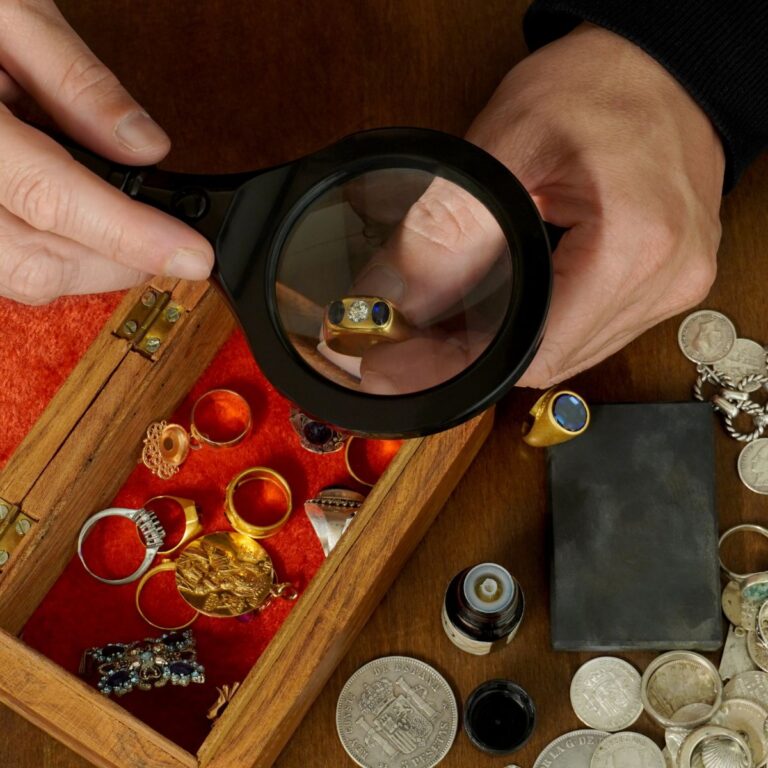
Some Goodwill locations set aside rare, collectible, designer, or higher-priced items for online sales and auctions instead of putting them in the local store.
That means your local Goodwill isn’t always the whole story. If you’re searching for unusual or collectible pieces, it’s worth checking Goodwill’s online marketplace too.
You might find something online that you would never see on your local store’s shelves.
Not Every Donation Makes It to the Sales Floor
There can be a lot more work behind the scenes than shoppers realize. Donations are sorted before they’re put out for sale, and some items never make it that far.
Broken goods, heavily stained clothing, damaged items, recalled products, and things that aren’t safe to sell may be removed during sorting.
So if you don’t see a particular type of item in the store, it doesn’t necessarily mean nobody donates it. Some donations simply don’t pass the store’s screening process.
The Hidden Sections Can Be Gold Mines
Most people head straight for the clothing racks. That’s understandable, but some of the best thrift finds can be sitting in sections that get much less attention.
Check the books, kitchenware, craft supplies, seasonal decorations, furniture, home decor, and other housewares. These areas can be especially fun if you’re looking for something unusual or trying to furnish your home without spending much.
Related: Why I Always Look at the Top of Clothing Racks When I Go Thrifting
Holiday Weeks Can Bring Better Inventory
The weeks after major holidays can be good times to thrift because people often use those periods to clean out closets, garages, and storage areas.
Spring cleaning can also lead to a wave of donations. People finally get around to clearing out things they’ve been holding onto for months or years, which can mean more inventory for local thrift stores.
There are no guarantees, but checking Goodwill around these times can be worthwhile.
Electronics Should Always Be Tested
Finding a vintage stereo, small appliance, game system, or other electronic item at a low price can be exciting. The problem is that you won’t always know whether it works just by looking at it.
If the store has an outlet or testing station, use it. Check that buttons work, cords are intact, screens turn on, and moving parts actually move.
A five-minute check in the store can save you from bringing home a bargain that turns out to be little more than a decoration.
Related: 12 Old Electronics That Are Now Considered Vintage
Furniture Shoppers Should Arrive Early
Good furniture doesn’t tend to sit around for long, especially if it’s solid wood, well made, or priced far below what you’d pay elsewhere.
If you’re looking for a dresser, table, chair, bookshelf, or other large piece, going earlier in the day can give you more choices. Once another shopper has paid for a piece and arranged to pick it up, it’s off the table.
It also helps to know the measurements of the space you’re shopping for before you go. A great deal isn’t much use if the furniture won’t fit through your door.
Good furniture pieces can go quickly, so don’t assume you can come back later and find the same thing.
Staff Can Be a Valuable Source of Information
Goodwill employees see the store from a completely different angle than shoppers do. They may know when new items are usually put out, which days have special sales, or when certain sections tend to get restocked.
It doesn’t hurt to ask. Be friendly, keep the question simple, and don’t expect an employee to stop what they’re doing just to help you shop.
A quick conversation can sometimes give you a useful tip about your local store that you wouldn’t find on the website or a sign near the register.