Moving is expensive enough without paying to pack, load, and haul things you don’t even use. Before you start filling boxes, take a good look around and get rid of the stuff that’s just taking up space.
A simple rule can help: if you wouldn’t buy it again today, ask yourself why you’re paying to move it. Getting rid of these items before moving day can leave you with fewer boxes, less clutter, and a much easier unpacking process.
Mystery Cords and Unidentified Keys
Most of us have a drawer stuffed with random charging cables, adapters, and keys that once belonged to something. The problem is that nobody remembers what.
If you’ve already gone years without figuring out what a cord or key belongs to, there’s a good chance you don’t need it. Keep the cables you actually use and let the mystery pile go.
Unfinished Projects
That half-finished knitting project, abandoned scrapbook, or DIY kit sitting in a closet may have been a great idea at the time. If you haven’t touched it in six months or a year, ask yourself if moving it will really make you more likely to finish it.
Sometimes admitting that a project is over is the easiest way to make room for something else.
Related: The “Lazy Moving” Trend Is Helping People Relocate With Far Less Stress
Reusable Tote Bags
Reusable bags have a way of multiplying. One lives in the car, a few are stuffed in a closet, and somehow there’s another pile hiding behind the pantry door.
Keep the bags you actually use and pass along the extras. There’s no reason to fill a moving box with 30 shopping bags when you regularly reach for the same three or four.
Related: New Home Essentials Checklist Printable PDF – Moving House Planner & Home Setup Organizer
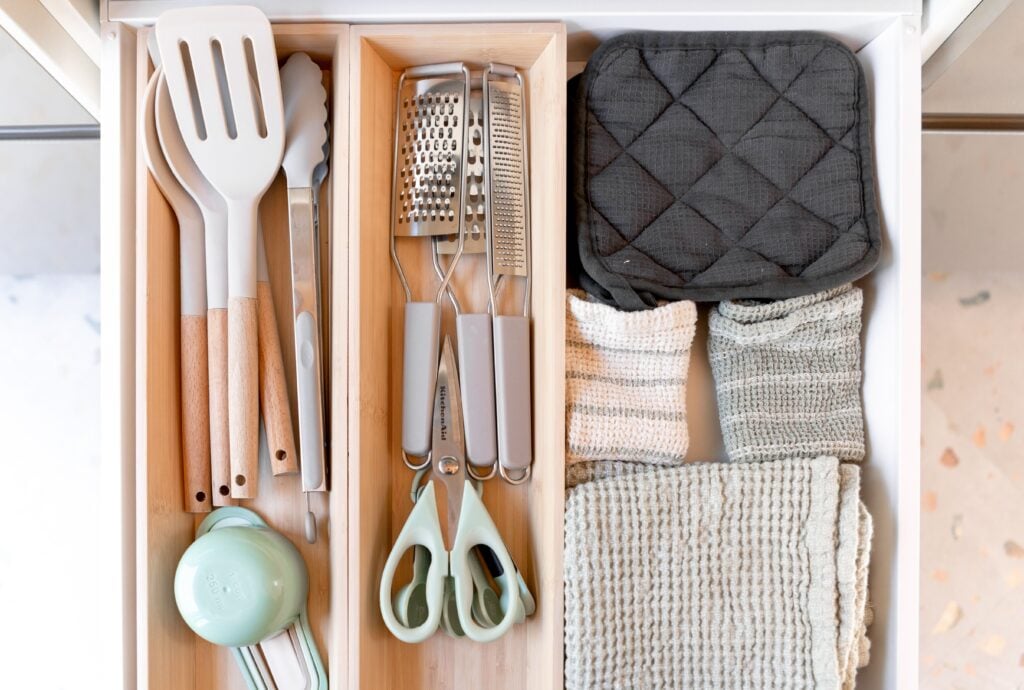
Duplicate Kitchen Gadgets
Take a look through your kitchen drawers and cabinets. You may find three wine openers, several spatulas, multiple can openers, or other duplicates you barely use.
Keep your favorite version of each item and donate the extras. You probably won’t miss the duplicates once they’re gone.
Related: New Home Checklist Printable PDF – Moving Essentials Planner for First-Time Homeowners
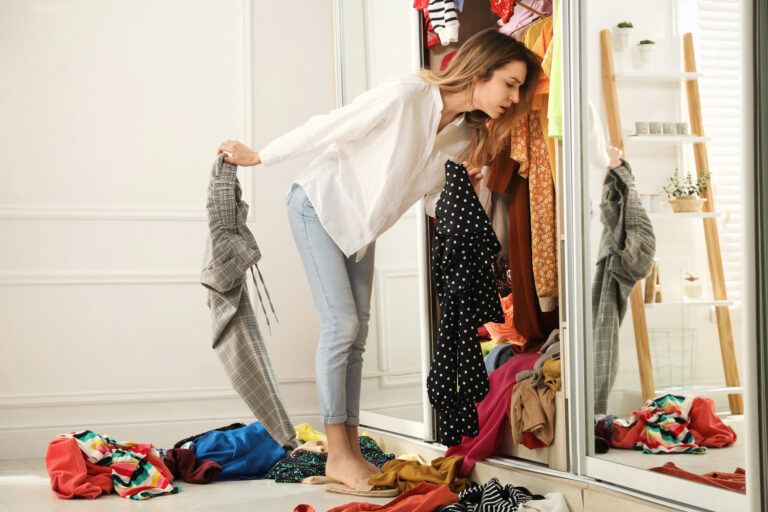
Clothes You Never Wear
Packing your clothes can be a quick reality check. If you forgot you owned something until it came out of the back of your closet, that’s a pretty good sign it doesn’t need to make the move.
Get rid of clothes that don’t fit, no longer suit your style, or haven’t been worn in a year or more. Donate clothing that someone else can use instead of paying to move it across town or across the country.
Worn-Out Shoes
Shoes take up more room than you’d think, especially once they’re packed into boxes.
Look at the pairs with worn-out soles, broken straps, holes, or uncomfortable fits. If you keep saying you’ll wear them someday but never do, there’s little reason to bring them to your next home.
Expired Medications and Vitamins
Go through the medicine cabinet before packing it. Expired medications and vitamins shouldn’t make the trip to your new home.
Check the label for disposal instructions. Many communities, pharmacies, and drug take-back programs have options for getting rid of unwanted medications safely.
Nearly Empty Toiletries
Moving is a good time to deal with all those half-used bottles you’ve been ignoring. Check the bathroom for nearly empty shampoo, dried-up makeup, old skincare products, and toiletries that have been sitting around for ages.
Use what you can before moving day. Toss anything that’s expired, dried out, or no longer suitable for use.
Broken Household Items
If an item has been sitting in a closet or garage waiting to be repaired for years, moving it probably won’t change anything.
Be honest about whether you’re really going to fix it. If the answer is no, get rid of it before it takes up space in a moving box.
Expired Pantry Food
Go through the pantry, refrigerator, and freezer before the move. Check expiration dates and make a plan for anything that’s still good but won’t survive the move well.
Use up what you can, donate unopened foods where appropriate, and throw away anything that’s expired or spoiled. Your future self will appreciate having less food to unpack.
Mismatched Mugs and Cups
Mugs have a habit of piling up over the years. Some are souvenirs, some were gifts, and some came from places you don’t even remember.
Keep the ones you actually enjoy using and donate the rest. Your new kitchen doesn’t need a cabinet full of mugs you never reach for.
Plastic Containers Without Matching Lids
Every kitchen seems to have a collection of containers and lids that have somehow lost their partners.
If you can’t find the matching piece, let it go. There’s no reason to move a pile of plastic containers that can’t actually be used.
Junk Drawer Clutter
Old takeout menus, dead batteries, dried-out pens, mystery screws, and random scraps of paper don’t need their own moving box.
Take a few minutes to empty the drawer and sort through everything. Emptying the junk drawer before moving can make a surprisingly noticeable difference.
Old Toys
Kids grow out of toys faster than many parents expect. Before packing everything, ask which toys your children actually play with.
Donate toys, games, and stuffed animals that have been sitting untouched. You’ll have fewer boxes to pack, and someone else may get plenty of use out of them.
Broken Toys
Broken toys are an easy category to deal with. Missing pieces, cracked parts, and toys that no longer work rarely become useful just because they’ve moved to a new house.
If your child doesn’t want it and it can’t reasonably be repaired, there’s little reason to pack it.
Furniture You Don’t Like
Large furniture can cost a lot to move, especially when it’s heavy, damaged, or simply doesn’t work in your new home.
Measure your new rooms and think about what will actually fit. In some cases, selling or donating an old piece and buying a replacement later makes more sense than paying to move something you already dislike.
Unused Small Appliances
Bread makers, ice cream machines, specialty coffee gadgets, and other small appliances can take up a surprising amount of cabinet space.
If an appliance hasn’t been used in years, ask yourself whether you really want to give it another ride in the moving truck. Someone else may get more use out of it.
Excess Linens and Towels
Most homes have more sheets and towels than they need. Moving is a good chance to sort through the extras.
Keep enough for your household, plus a few spares, and donate towels and linens that are still in usable condition. Worn-out ones can be repurposed for cleaning or discarded if they’re no longer usable.
Books You’ll Never Read Again
Books are heavy. A few boxes may not seem like much, but a large collection can add a lot of weight to a move.
Keep the books you love, the ones you plan to read, and the ones with real sentimental value. For everything else, consider donating them instead of paying to move them again.
Related: Say What? People are Freezing their thrifted books
Hobby Supplies From Abandoned Hobbies
Hobbies leave behind a lot of stuff. Craft supplies, sports equipment, fabric, painting materials, and other gear can sit untouched for years.
If you’ve moved on from the hobby, you probably don’t need to pack all the supplies along with you. Sell or donate what you can and keep only the things you’re still using.
Old Paint Cans
Those leftover paint cans from your current home may be useless in your next one, especially if you’re moving somewhere with different wall colors.
Don’t put old paint cans in the regular trash unless local rules say it’s allowed. Check your local waste or household hazardous waste program for proper disposal options.
Outdated Electronics and Media
Old phones, DVD players, VHS tapes, obsolete gadgets, and unused accessories can follow you from house to house without ever being touched.
If you no longer have a practical way to use something, look for an electronics recycling program or another appropriate disposal option. Don’t just throw electronics in the regular trash if local rules prohibit it.
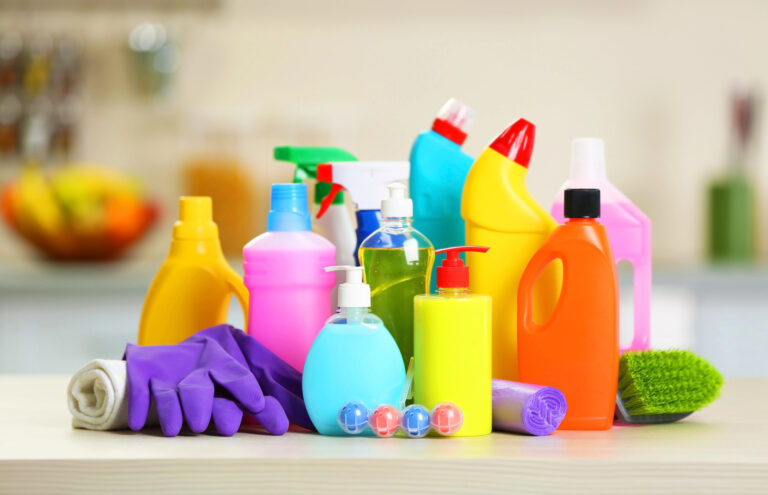
Old Cleaning Supplies
Take a look at your cleaning closet before packing it. Worn-out brooms, dried-up sponges, broken dustpans, and old brushes are often inexpensive to replace.
Get rid of items that are past their useful life and pack only the supplies that are still in good shape.
Garage Clutter
Garages are where forgotten stuff tends to pile up. Old sporting equipment, spare parts, unused tools, random storage bins, and items you haven’t touched in years can take up a lot of room.
Walk through the garage with the same mindset you used in the rest of the house. If you haven’t used something in years and barely remembered you owned it, this may be the right time to let it go.