Most people start getting a feel for a home within seconds of walking through the door. They may not consciously think about it, but they’re noticing things like the smell, the lighting, the amount of clutter, the temperature, and whether the space feels comfortable.
The funny part is that homeowners often stop seeing these details. After living in the same house for months or years, you get used to the little things that a visitor might notice right away.
If you want your home to make a good first impression, these are some of the details worth checking before guests arrive.
The Overall Atmosphere
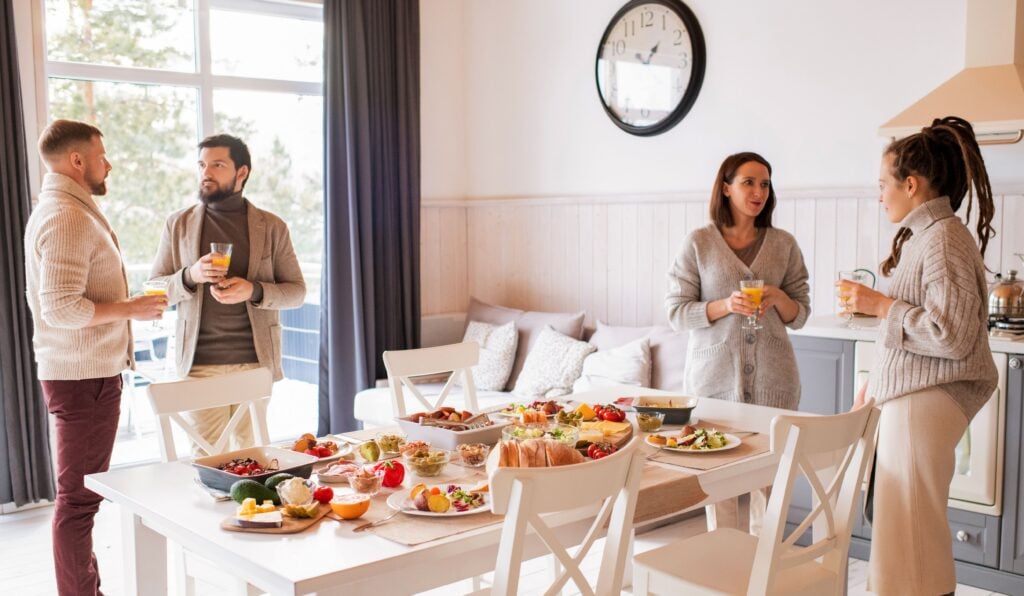
Before anyone notices a particular piece of furniture or decoration, they notice how the room feels.
Is it calm and comfortable, or does it feel crowded and chaotic? Is the lighting pleasant? Does the room smell fresh? Are there piles of stuff everywhere?
You don’t need a perfectly decorated home to make guests feel comfortable. A reasonably clean, comfortable space with good lighting and a little breathing room can go a long way.
Related: 12 Things Home Sellers Should Never Agree to Before Closing
The Entryway
The entryway is usually the first part of your home a guest sees, so it can set the tone pretty quickly.
A pile of shoes, yesterday’s mail, bags hanging from every hook, or a crowded console table can make the space feel cramped. A clear walkway, a clean doormat, and a place to put shoes or bags can make the entrance feel much more inviting.
You don’t need a picture-perfect entryway. Just clearing away the things that have accumulated by the door can make a noticeable difference.
Related: 12 Time-Saving Cleaning Tips That Will Free Up Your Schedule So You Can Focus on What Really Matters
Visible Clutter
Clutter tends to grab people’s attention right away.
Stacks of mail, overflowing baskets, crowded kitchen counters, and random items sitting on tables can make an otherwise clean home feel messy. You don’t have to clean every drawer before someone visits. Start with the surfaces and areas people are most likely to see.
Clearing off a coffee table or putting away the pile of mail by the door may be all it takes to make the room feel much calmer.
The Lighting
Lighting can change the way a room feels almost immediately.
Bright overhead lights can make a room feel harsh, while a space that’s too dark can feel gloomy. Lamps, table lights, and warm-toned bulbs can make living spaces feel more comfortable, especially in the evening.
It’s also worth checking whether curtains or furniture are blocking natural light. Sometimes moving one item is enough to make a room feel brighter.
Related: The Handy Things That Help Solve Problems Before They Get Bigger
The Sounds in the Background
Noise can affect how comfortable a home feels, even if nobody says anything about it.
A television that’s turned up too loud, an appliance that constantly hums, or a room with a noticeable echo can make it harder for guests to relax. A little background music can be nice, but silence is perfectly fine too.
The goal is really just to avoid having unnecessary noise competing for everyone’s attention.
Cleanliness in Key Areas
Guests don’t expect your house to look like nobody lives there. They do notice obvious dirt in places they regularly see and use.
Kitchen counters, sinks, bathroom mirrors, and dining tables are some of the first places to check. Wiping down a counter, cleaning the sink, and taking out a full trash can can make the whole room feel fresher.
You don’t need to scrub every corner of the house before company arrives. Focus on the areas guests are most likely to see.
Related: 10 Things Frugal People Use Instead of Paper Towels
Furniture Layout
Furniture can make a room feel comfortable or awkward before anyone has even sat down.
If people have to squeeze between a sofa and coffee table or walk around chairs to get across the room, they’ll notice. Leave enough open space for people to move around without bumping into things.
Seating also works better when people can easily talk to each other. A room doesn’t need to follow a strict decorating formula. It just needs to be easy to use.
Your Décor Choices
Guests will naturally look around when they enter your home. They’ll see your artwork, furniture, colors, books, photos, and other decorations.
Your home doesn’t need expensive décor to look good. A few things you genuinely like can make a room feel much more personal than filling every empty surface with decorations.
If something feels completely out of place, removing it may do more for the room than adding something new.
The Temperature
Nobody wants to spend an evening sweating or shivering.
A room that’s too hot or too cold can make guests uncomfortable before they even settle in. Check the temperature before people arrive and make small adjustments if needed.
It’s also helpful to have a fan available during warm weather or an extra blanket nearby when it’s cold. These little comforts can make people feel more at ease.
Related: 12 Things to Do With Old Dusty Books Nobody Wants
The Floors
Floors get a lot of attention simply because people walk on them.
Crumbs, pet hair, dirt around the entryway, and sticky spots can stand out, especially in areas with lots of foot traffic. You don’t need to deep-clean every floor in the house before company comes over.
A quick vacuum or sweep in the entryway, living room, and other high-traffic areas can make the home feel much cleaner.
The Smell
Scent can be one of the first things someone notices after walking inside.
Lingering cooking smells, pet odors, damp towels, or stale air can stick around longer than you realize. Opening a window for a while, taking out the trash, or cleaning the source of the odor can help.
You don’t need to fill the house with air fresheners or strong candles, either. For many people, fresh air and a clean home smell better than an overpowering fragrance.
Personal Touches
A home shouldn’t feel like a furniture showroom.
Family photos, favorite books, travel souvenirs, artwork, and handmade pieces give guests little glimpses into the people who live there. These are often the details that make a home feel warm and lived-in.
You don’t need dozens of personal items on display. A few things that actually mean something to you can say plenty.
The Bathroom
Guests may not see every room in your home, but there’s a good chance they’ll use the bathroom.
This is one space where small details can stand out quickly. Make sure there’s toilet paper, hand soap, and a clean hand towel. Wipe down the sink and mirror, empty the trash, and give the toilet a quick clean.
A bathroom doesn’t have to look luxurious. Clean and comfortable is enough.
Seating Comfort
Once guests sit down, they’ll notice whether the furniture is actually comfortable.
Flattened cushions, a chair covered with laundry, or a sofa buried under blankets and miscellaneous items can make it harder for people to settle in. Give guests a clear place to sit and straighten the cushions before they arrive.
A few pillows or a throw blanket can make the seating feel more inviting without adding much work.
The Exterior and Approach
Your home’s first impression starts before anyone walks through the door.
Guests see the walkway, porch, front steps, plants, door, and anything sitting outside before they enter. A swept step, a clear path, and a few well-kept plants can make the entrance feel cared for.
It doesn’t take a major outdoor makeover. Pick up anything that’s been left outside, sweep the walkway, and tidy up the area around the front door.