If you’ve ever dealt with rats, you know how frustrating it can be. They’re smart, persistent, and incredibly good at finding food and shelter. But one thing many people don’t realize is just how much rats rely on their sense of smell to survive, and that’s exactly what makes scent-based deterrents so useful.
While no smell is a guaranteed fix on its own, certain scents can make your home far less appealing to rats. When used consistently and placed in the right areas, they can help disrupt nesting habits and encourage rodents to move on.
Here are some of the most effective smells rats truly can’t stand and how to use them in a way that actually works.
Peppermint Oil
Peppermint oil is one of the most popular natural repellents, and for good reason. Its strong, sharp scent overwhelms a rat’s sensitive nose, making it harder for them to track food or feel comfortable in a space.
Soaking cotton balls and placing them near entry points, baseboards, or cabinets can help create a barrier. Just keep in mind it fades over time, so it needs to be refreshed regularly.
Eucalyptus Oil
Eucalyptus has a strong, medicinal smell that disrupts a rat’s ability to navigate and settle in. It’s especially useful in enclosed spaces like attics, closets, or storage areas.
Like peppermint, it works best when applied to cotton balls or used as a spray along problem areas.
Ammonia
Ammonia has a harsh, chemical smell that mimics predator urine, which naturally signals danger to rats. That alone can be enough to keep them from sticking around.
It’s best used in areas like garages or basements, where strong odors won’t be as disruptive to people.
Vinegar
Vinegar’s acidic smell is another reason rats tend to avoid it. It doesn’t mask scents as much as it creates an environment that feels unpleasant and unfamiliar to them.
Small bowls or soaked cloths placed in high-traffic rodent areas can help, though they need to be replaced often.
Garlic
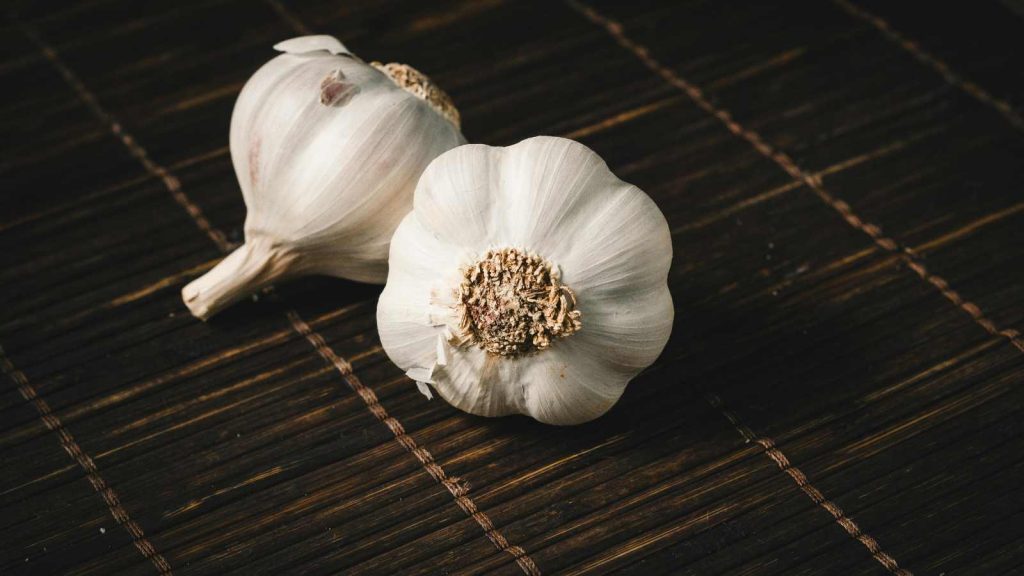
Garlic creates a strong, lingering scent that irritates a rat’s sense of smell. It’s simple, inexpensive, and easy to use in different forms.
Crushed cloves, powder, or even a garlic spray can be placed near entry points or nesting areas.
Cayenne Pepper
Cayenne doesn’t just smell strong; it can actually irritate a rat’s respiratory system. That makes the treated areas uncomfortable enough that they avoid them.
Sprinkling it along baseboards or near holes and gaps can help create a deterrent line.
Onion
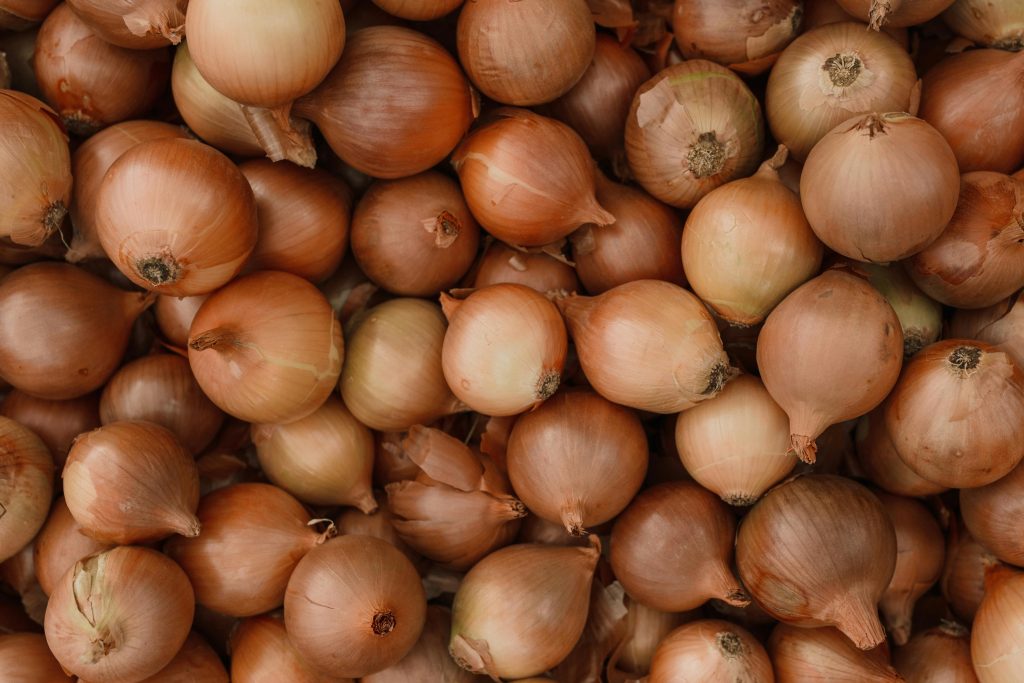
Fresh onion has a sharp smell that rats find overwhelming. It works best in small, enclosed spaces where the scent can stay concentrated.
The downside is that it spoils quickly, so it needs frequent replacement to stay effective.
Clove Oil
Clove oil contains compounds that are especially irritating to rodents. Its strong scent can interfere with their ability to orient themselves and find food.
A few drops on cotton balls placed around cabinets or under sinks can help keep them away.
Black Pepper
Black pepper is another kitchen staple that can act as a deterrent. Its strong scent irritates the nasal passages and makes the environment less inviting.
It’s easy to sprinkle in areas where you’ve noticed activity.
Lavender
Lavender might smell calming to us, but to rats, it’s overpowering. It can be a good option if you want something that works without making your home smell harsh.
Sachets or oil placed in closets, drawers, or storage spaces can help keep things balanced.
Mothballs
Mothballs have a strong chemical smell that rats avoid, but they come with a trade-off. Because they’re toxic, they need to be used carefully and kept away from pets and children.
They’re usually best reserved for areas that aren’t frequently used.
Tea Tree Oil
Tea tree oil has a sharp, medicinal scent that lingers. It can help prevent rats from settling in areas where it’s applied consistently.
Cotton balls or diluted sprays work well along walls and entry points.
Cinnamon
Cinnamon’s strong, spicy scent can irritate rats and keep them from lingering. It’s another natural option that’s easy to use and safe in most households.
You can sprinkle it in problem spots or use cinnamon oil for a stronger effect.
Bay Leaves
Bay leaves give off a subtle but noticeable scent that rats tend to avoid. Crushing them releases more of their natural oils, making them more effective.
They’re easy to place in drawers, pantry shelves, or storage bins.