There is something about buying a brand-new shirt, pair of jeans or dress that makes it feel clean. It hasn’t been worn yet, the tags are still attached, and it may have come straight off a neatly organized rack.
But “new” and “clean” aren’t necessarily the same thing.
A recent discussion about washing new clothes before wearing them brought together people who had worked in clothing factories, distribution centers and retail stores. Their experiences highlighted just how much can happen to clothing before someone eventually brings it home.

Clothes Go Through a Lot Before Reaching the Store
The process starts long before clothing reaches a retail rack. Fabric is manufactured, stored, cut, sewn, packed and transported, with multiple opportunities for it to collect dust and dirt along the way.
A former clothing factory worker described fabric being stored in warehouses and handled in bins and on factory floors before being turned into finished clothing. Fabric can also have coatings applied during manufacturing to make it easier to transport, store and sew.
Clothing Gets Handled Over and Over Again
Once a shipment reaches a store, employees unpack boxes, sort merchandise, fold clothing and hang items on racks. Throughout the day, those same clothes may be picked up, unfolded, carried around and put back by shoppers.
Clothes also end up on floors, get stepped on and sometimes arrive at stores in boxes that have gotten wet or dirty during transportation. Retail work can involve handling enough new merchandise throughout the day to leave employees’ hands and clothing noticeably dirty.
That Shirt May Have Already Been Tried On Several Times
Clothing hanging on a store rack isn’t necessarily untouched. Shirts, pants, dresses, bras and swimsuits may go in and out of fitting rooms multiple times before someone finally buys them.
That means clothing can pick up makeup, sweat and other marks from shoppers. Items can also be tossed onto fitting-room floors or left in piles before employees collect, refold and return them to the sales floor.
Some Fitting-Room Stories Are Especially Gross
The fitting room is where some of the less pleasant examples from retail workers came from.
Clothing has been found with makeup, mud, sweat, and other stains. Swimwear has even been found with visible blood after being tried on, while other garments have been left on fitting-room floors before eventually being returned to the rack.
Customers have also been reported to wipe their hands on clothing, and garments have been returned to racks after being handled in ways the next shopper would never know about.
Returned Clothes Can End Up Back on the Rack
An item can still look completely new even if it has already left the store.
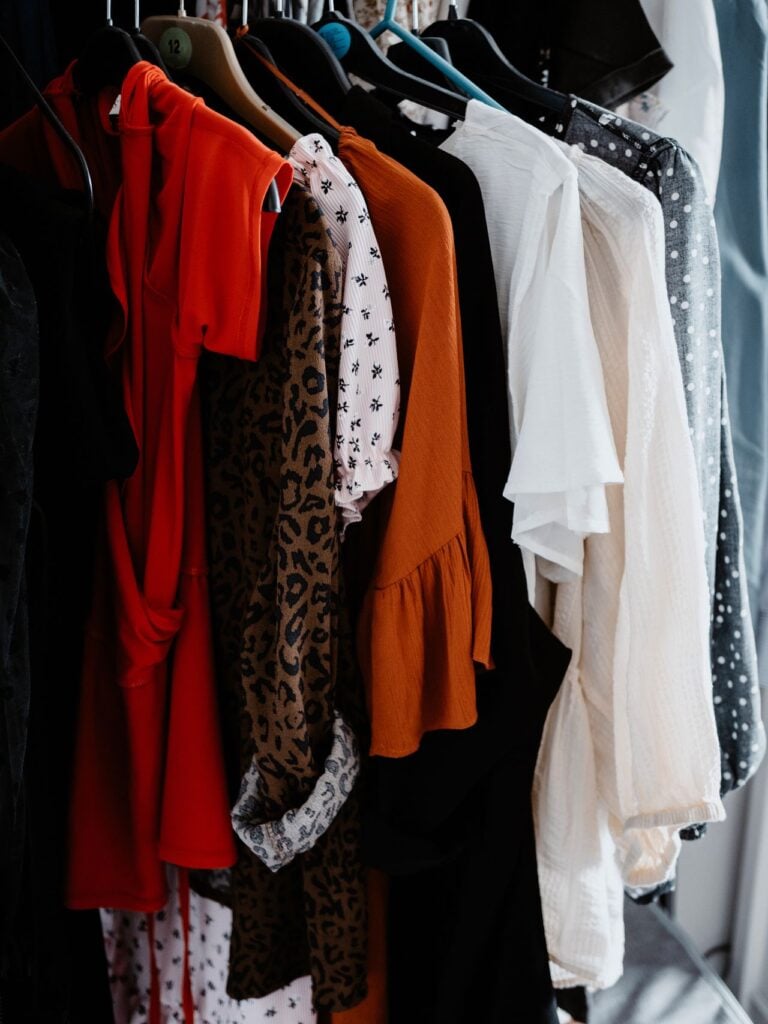
Clothes are purchased, taken home and sometimes returned with the tags still attached. If they’re accepted as a return and put back out for sale, the next shopper may have no indication that the garment has already been in someone else’s home.
New Clothes Can Pick Up Plenty in Storage and Shipping
The journey between the factory and the store isn’t necessarily clean either. Boxes can be exposed to dirt, moisture and pests while merchandise moves through warehouses and distribution centers.
Clothing can also fall onto warehouse floors, get stepped on or otherwise become dirty before being packed back up and sent along. Distribution-center workers described encountering bugs and other debris in shipments while handling clothing before it ever reached shoppers.
Fabric May Still Have Finishes From Manufacturing
New clothing can also contain residues from the manufacturing process. Fabric treatments and sizing can be used to help material maintain its shape or make it easier to handle during cutting, sewing and production.
Those treatments are another reason washing a washable garment before wearing it can be useful. The first wash can remove some of the residue, excess dye, dust and debris that may remain after manufacturing and transportation.
New and Thrifted Clothes Aren’t That Different in This Way
Most shoppers expect secondhand clothing to have been worn and handled before reaching the thrift store, so washing it before wearing it is common.
Brand-new clothing has a different history, but it has still traveled through factories, warehouses, shipping boxes, stockrooms and sales floors. It may also have been tried on or purchased and returned before ending up in another shopper’s cart.
The tag tells you the garment is being sold as new. It doesn’t mean the garment has been washed.
Related: How to Clean Thrifted Clothes Before Wearing Them
Wash New Clothes Before Wearing Them
New clothing can pass through factories, warehouses, distribution centers, stockrooms, fitting rooms and multiple sets of hands before it’s purchased. Some items may also have been tried on or returned without showing any obvious signs of it.
For washable clothing, a trip through the laundry before the first wear can remove dirt, dust and manufacturing residue picked up along the way. Check the care label first, especially with delicate fabrics or garments that require special cleaning.