Inflation is up, and prices have reached a point where many people aren’t just looking for cheaper alternatives anymore. They’re deciding some things simply aren’t worth buying.
A recent Reddit discussion asked people what they’ve stopped buying in 2026 because of the price, and the answers quickly piled up. Some were predictable, like restaurant meals and streaming subscriptions, but others were everyday grocery staples and little conveniences that used to feel pretty normal.
The most relatable part might be how many of these aren’t exactly luxuries. They’re just things people have finally looked at and thought, Nope, not paying that anymore.
Beef
Beef has become one of those grocery purchases that’s much harder to casually toss into the cart. Ground beef, steaks, and more expensive cuts like ribeye can quickly eat into the grocery budget, making cheaper proteins and meatless meals much more appealing.
Fast Food
Fast food is supposed to be the inexpensive option when there’s no time or desire to cook, but that value is getting harder to see.
When a basic burger meal costs almost as much as eating at a sit-down restaurant, spending a few extra dollars for a restaurant meal or simply eating at home can make more sense.
Streaming Services
Streaming subscriptions don’t seem particularly expensive on their own. But stack several monthly services, and suddenly you’re paying a significant amount just to access shows and movies you may not even watch that often.
Cutting subscriptions you rarely use, or keeping only one at a time, is an easy way to trim monthly expenses.
Junk Food
Chips, cookies and other packaged snacks aren’t always the cheap grocery extras they once were. Prices have climbed while some package sizes have gotten smaller, making a bag of chips or package of cookies surprisingly easy to leave behind.
For the same amount of money, fresh fruit, popcorn or homemade snacks can sometimes stretch much further.
Coffee Drinks
A coffee here and there doesn’t sound like a major expense, but $4 or $5 drinks add up quickly when they’re part of a regular routine. Making coffee at home has become a much easier trade-off when the alternative is spending $20 or more a week on drinks.
Related: Things You Can Do With Coffee Filters Besides Brewing Coffee
Eating Out
Restaurant meals, takeout and food delivery have become much easier expenses to cut. Between higher menu prices, delivery fees and tips, what was once an easy weeknight dinner can become a surprisingly expensive meal.
Cooking at home more often and saving restaurants for an occasional treat can make a noticeable difference in the monthly budget.
Soda
Even soda is starting to feel like a splurge. A 12-pack approaching $10 makes water, homemade iced tea or other inexpensive drinks much more attractive alternatives.
Fresh Produce That Goes Bad Quickly
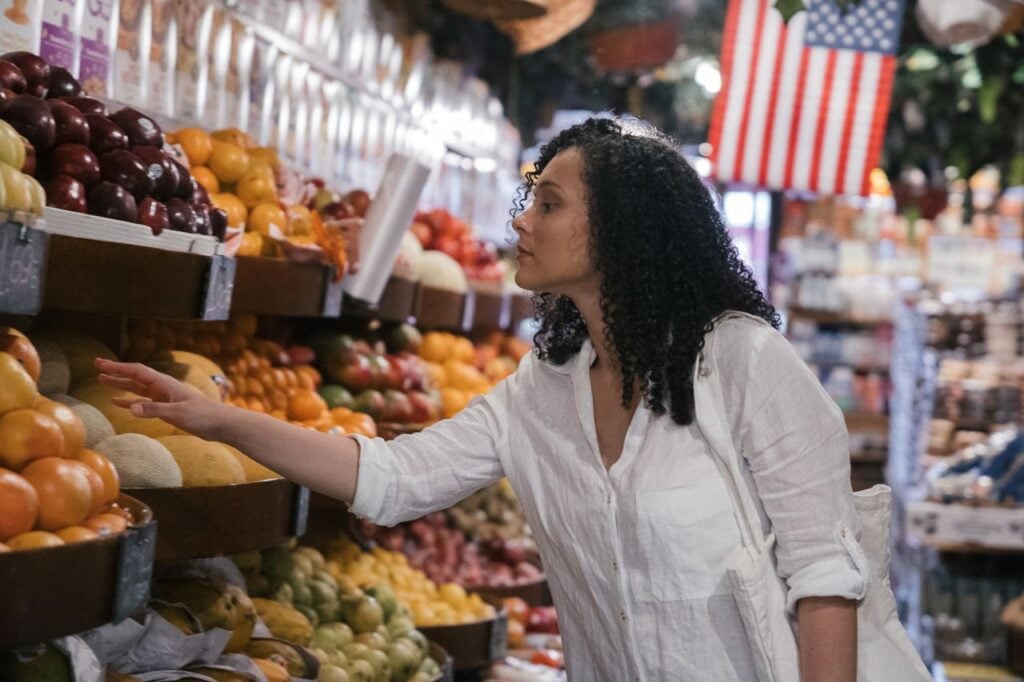
Fresh produce can be expensive enough on its own, but throwing half of it away makes the cost even harder to justify. Berries and other produce with short shelf lives can easily spoil before they’re eaten, making frozen versions a practical alternative because they’re often cheaper and last much longer.
Clothes
Buying new clothes is another expense that’s easy to postpone when you already have plenty in the closet. Wearing what you already own, buying only what’s actually needed or shopping secondhand can make more sense than constantly adding something new.
Clothing was among the discretionary purchases being cut alongside coffee, takeout and other everyday extras.
Related: Your Clothes Shouldn’t Age You — but These 12 Fashion Mistakes
Entertainment
Going out gets expensive fast once you add tickets, food, drinks, transportation, and everything else. Staying home more often, finding free things to do or simply being more selective about outings can take a sizable amount out of monthly spending.
And sometimes cutting back in this category has an added benefit: staying home also means spending less on gas.
Uber and Other Convenience Spending
Convenience can be wonderful, but it comes at a price. Uber rides, food delivery, car washes and quick takeout orders are all expenses that can often be replaced by driving yourself, picking up an order, washing the car at home or cooking something already in the kitchen.
Individually, these expenses may not seem significant. Added together over a month, they can be a completely different story.
Related: How Grocery Stores Get Shoppers to Spend More Without Realizing It
Seasonal Decor and Impulse Buys
It’s easy to walk into a store for one thing and leave with seasonal decorations, another plant or a few things that weren’t on the list. But these are also some of the easiest purchases to skip when prices are high.
Using decorations you already own, growing plants from seeds and waiting for clearance prices can stretch the same budget much further.