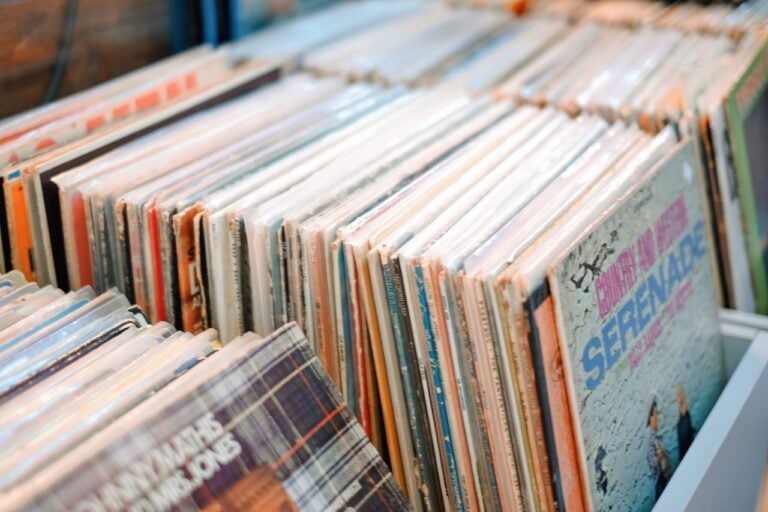
Spend enough time digging through thrift stores and you’ll eventually find something that makes you wonder whether the person who donated it actually meant to let it go. Mixed among the everyday clothes, dishes and books are surprisingly personal belongings and occasionally things that may be worth much more than the donor realized.
Some probably arrive after someone quickly cleans out a closet, storage unit, or relative’s home without checking every pocket, drawer, and box. These are eight things I’m always surprised to see make it to a thrift-store shelf.
Family Photographs
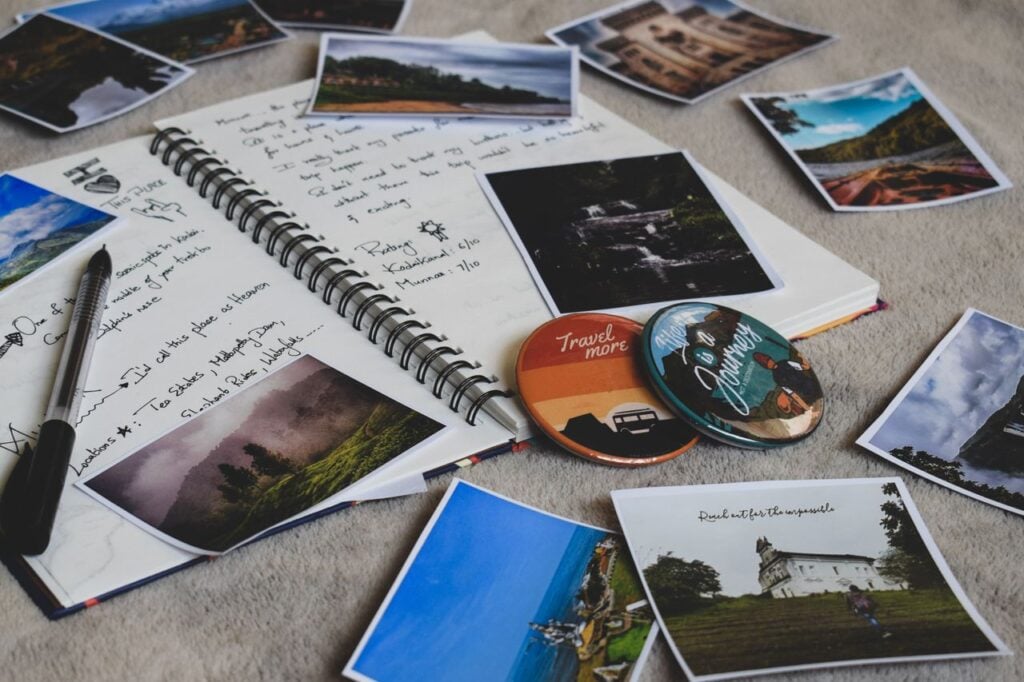
Old family portraits, school pictures, wedding photographs, and snapshots regularly end up mixed into donated frames, albums, and boxes. They’re unlikely to mean much to the next shopper, but they may be irreplaceable to the family pictured.
Keepsake and Fine Jewelry
Jewelry is so small that it’s easy for a valuable piece to disappear into the bottom of a box, purse or dresser drawer before everything gets donated. Before giving away a jewelry box, check individual pieces for precious-metal markings, maker’s marks and anything that may have sentimental or monetary value.
Family Bibles
Older family Bibles sometimes contain handwritten records of births, marriages, deaths, and other family milestones that aren’t immediately obvious from the cover. Once that book leaves the family, generations of notes and genealogy can be much harder or impossible to recover.
Money Hiding in Unexpected Places
Cash has a habit of ending up in coat pockets, purses, books, envelopes, boxes and the backs of drawers, and thrift-store workers have reported finding everything from a few forgotten dollars to much larger stashes. Before donating clothing, furniture, books, handbags or storage boxes, empty every compartment and flip through the pages rather than assuming there’s nothing inside.
Old Letters and Personal Papers
Love letters, postcards, handwritten recipes and other personal papers can easily get swept into a donation box when someone is clearing out a desk or stack of books. They may look like old paper to a stranger, but handwritten pieces can contain family stories and details that can’t be replaced once they’re gone.
Diaries and Journals
A personal journal is one of the last things most people would intentionally put on a thrift-store shelf, yet used diaries do turn up in donations. They’re also a good reminder to open notebooks and sort through boxes of papers before donating, especially when clearing out belongings stored for years.
Valuable or Collectible Books
An old book isn’t automatically valuable, but signed copies, first editions and harder-to-find editions can be mixed into an otherwise ordinary donation pile.
Electronics That Still Have Personal Information on Them
Old computers, phones, tablets and other electronics can contain photographs, documents, passwords and other personal information long after you’ve stopped using them. Before donating a device, back up anything you want to keep and properly erase your personal data rather than assuming the thrift store will take care of it.