For years, pennies have collected in kitchen drawers, coffee cans, piggy banks, car cupholders, and jars tucked away in closets. With the end of U.S. penny production, those little coins have become a topic of conversation, and people are taking a second look at the change they’ve been saving.
There’s no need to rush to get rid of your pennies. Most are still worth one cent, but certain dates, mint marks, and minting errors can make individual coins more interesting to collectors.
If you have a jar or two sitting around the house, here are some ways to sort through your pennies and decide what to do with them.
Spend Them
Pennies are still legal tender, so you can continue using them for purchases. Paying with exact change is an easy way to use up the coins that have been sitting in your drawers for years.
If you only have a small handful, spending them during everyday shopping trips may be easier than rolling them or taking them to a coin-counting machine.
Check for Rare and Valuable Dates
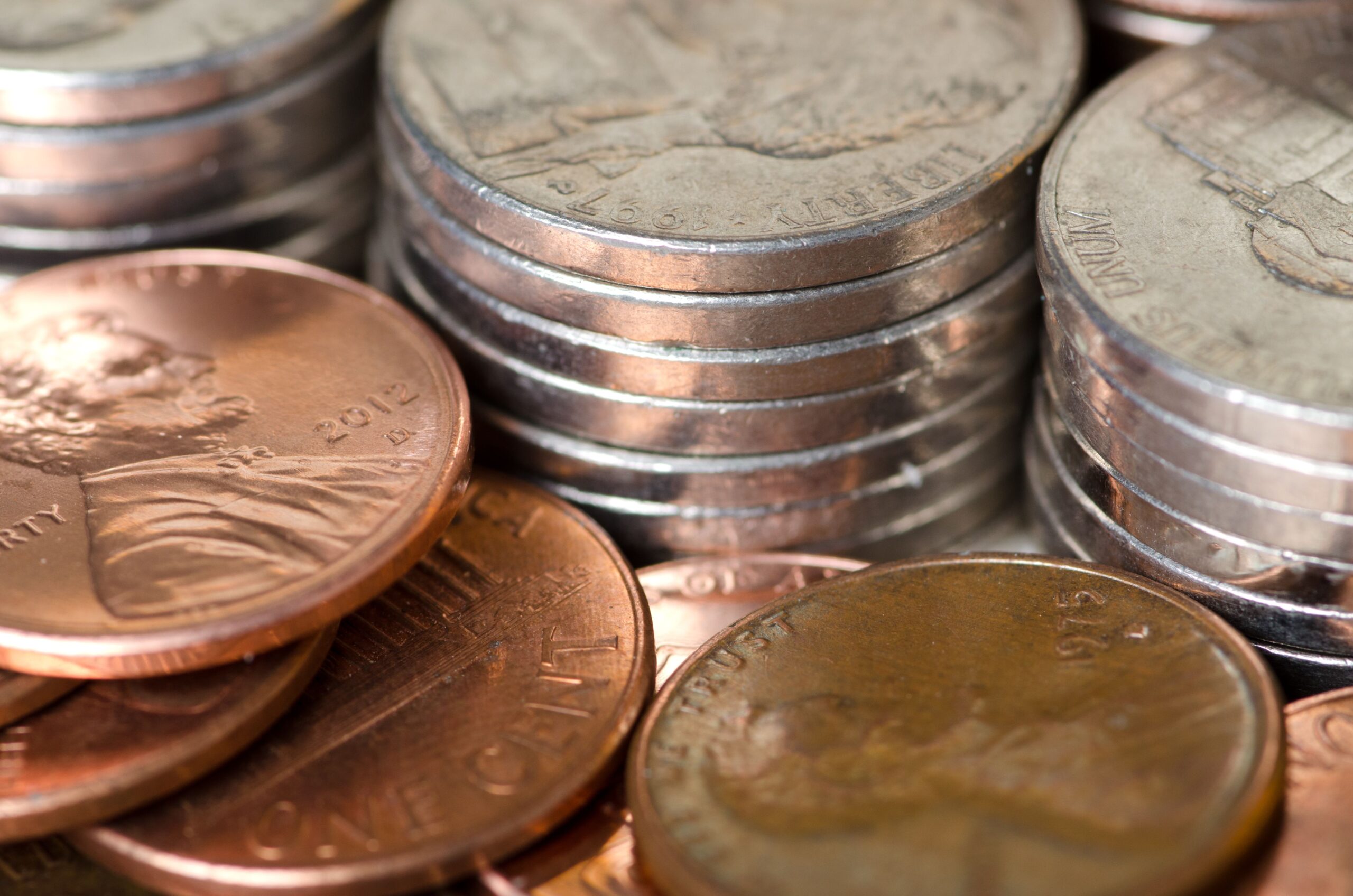
Before spending your entire collection, look through the dates, mint marks, and designs on your pennies. Certain coins, including some with doubled lettering or unusual minting errors, can be worth much more than their face value.
Most pennies won’t turn out to be rare, but an unusual date or error is worth checking. If you think you’ve found something special, compare it with a reputable coin reference or ask a coin dealer to examine it before selling.
Take Them to Your Bank
If you’ve saved hundreds or thousands of pennies, your bank may let you exchange them for bills or deposit them into your account. Some banks accept rolled coins, while others have coin-counting machines available to customers.
Call ahead to ask about the rules, since some branches accept loose change while others require coins to be sorted and rolled. You don’t want to carry several heavy bags to the bank only to find out they won’t take them.
Use a Coin-Counting Machine
Coin-counting machines can save time if you’re dealing with a large pile of loose pennies. Pour in the coins, let the machine sort them, and collect the voucher or payment it provides.
Check the fees before using one, since some machines take a percentage of the total amount. Your bank may offer a cheaper option, particularly if you’re counting a large collection.
Set Aside Older Pennies
Pennies made before 1982 are worth separating from newer ones because most were made primarily of copper, while later pennies are mostly zinc with a thin copper coating. There are exceptions, so the date alone doesn’t tell you everything about a coin’s composition.
Older pennies aren’t automatically valuable to collectors, but their condition, mint mark, and date can affect their worth. Sorting them into separate groups gives you a better starting point for checking your collection.
Donate Them
A jar of pennies may seem like a small donation, but loose change can add up when several people contribute. Schools, food banks, charities, and community organizations sometimes collect coins for fundraising projects.
If you’re clearing out a few jars, donating some of the money is an easy way to support a local cause. Check with the organization first to see whether it accepts loose coins.
Related: 12 Charities That Will Pick Up Your Donations for Free
Keep a Few as Keepsakes
You don’t have to spend or donate every penny in your collection. Keeping a few from the final years of production could make a nice little keepsake for yourself or your family.
Place them in a coin holder, small jar, or memory box. They may seem ordinary now, but they can remind you of the coins that once filled cash registers, pockets, and kitchen drawers.
Sort Them Before You Cash Them In
If you’ve been saving pennies for years, take some time to look through them before pouring everything into a coin machine. Separate older coins, unusual dates, possible minting errors, and anything that looks different from the rest.
Once you’ve checked your collection, decide which pennies to spend, deposit, donate, sell, or keep. You might find a coin worth a closer look, or simply turn a forgotten jar of change into a little extra cash.