Buying your first home is exciting, especially when you finally find a place you can picture yourself living in. But for one couple in Washington, that excitement quickly turned into concern after a home inspection uncovered a series of problems they hadn’t expected.
The buyers were already under contract when they received their inspection and contractor reports. According to their account, the seller had marked “no” for every defect, leak, pest, and drainage issue on the disclosure statement, but the inspections painted a very different picture.
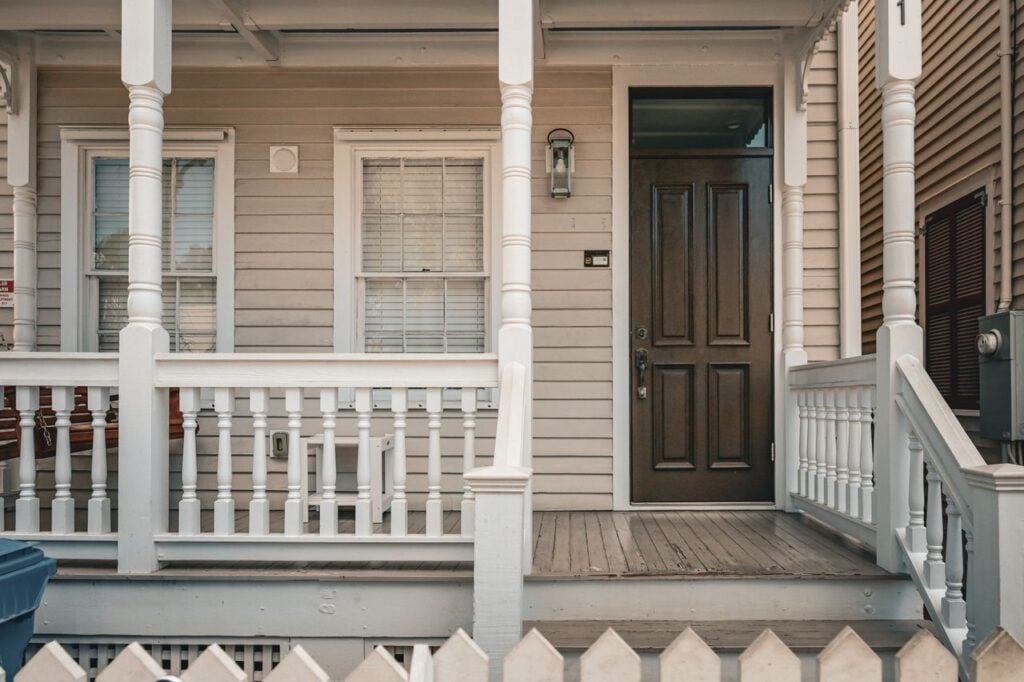
Fresh paint was hiding rotting wood
The home’s exterior trim, posts, and siding had been freshly painted before it went on the market. While that might have looked like a welcome update at first, the inspector found dry rot and wood decay breaking through the paint on structural posts and trim.
The report also noted that the siding was touching the ground and bark, with no clearance underneath. The buyers worried that the fresh paint had covered up damage rather than addressed it.
The crawl space had serious moisture problems
The inspection raised more questions beneath the house. A drainage contractor found three layers of vapor barrier plastic stacked over wet, muddy soil, along with blocked foundation vents and evidence of rodents.
The contractor quoted nearly $7,000 for drainage work, a sump pump system, vent clearing, and sealing rodent entry points. The buyers said the seller had disclosed no drainage or water issues, making the findings particularly concerning.
The roof wasn’t what the buyers expected
The seller said the roof was replaced 10 years earlier, but the inspector found that only the lower section had been replaced. The upper section was reportedly the original 22-year-old roof, and an active leak had led to fungal growth on the attic sheathing.
The inspection also identified an aging furnace and an opening in the garage ceiling’s fire-resistant barrier below it. Although the furnace was confirmed to be working during a second inspection, the growing list of repairs left the buyers wondering what else they might discover after moving in.
Related: 15 Clever Ways to Stay Cool Without Sending Your Energy Bill Through the Roof
Would a $25,000 credit be enough?
With the inspection results in hand, the couple faced a difficult choice: cancel the purchase during their inspection contingency period or try to negotiate roughly $25,000 in seller credit and take on the repairs themselves.
They turned to an online homebuying community for advice. Some commenters questioned whether the proposed credit would cover the work, particularly with roof, drainage, and wood-decay issues all needing attention. Others focused on the difference between the seller’s disclosures and what the inspections had uncovered.
The buyers decided to walk away
In an update, the couple shared that they had decided not to go through with the purchase. They contacted their agent to cancel while they were still within the inspection period and said they could get their earnest money back.
They also clarified that the inspector considered the foundation structurally sound, although small cracks allowed moisture through and would need attention. Even with that reassurance, the number of issues uncovered and the possibility of additional repairs made the home feel like a much bigger project than they had agreed to take on.
Their experience shows why an inspection can be such an important part of buying a home. A freshly painted exterior and a seller’s disclosure may shape a buyer’s first impression, but a closer look can reveal repairs that change the entire decision.
Would you have negotiated a credit and taken on the repairs, or walked away from the purchase?