There was a time when walking into a thrift store with $20 meant you could leave with a bag full of clothes and maybe a little something you didn’t need but couldn’t pass up. These days, you might find yourself checking the price tag twice and wondering whether you could buy the same thing new for just a few dollars more.
Thrifting can still be an affordable way to shop, but some secondhand prices are getting harder to justify. So what changed? The answer might involve a combination of growing demand, more informed pricing, online resale platforms, and the cost of running a store.
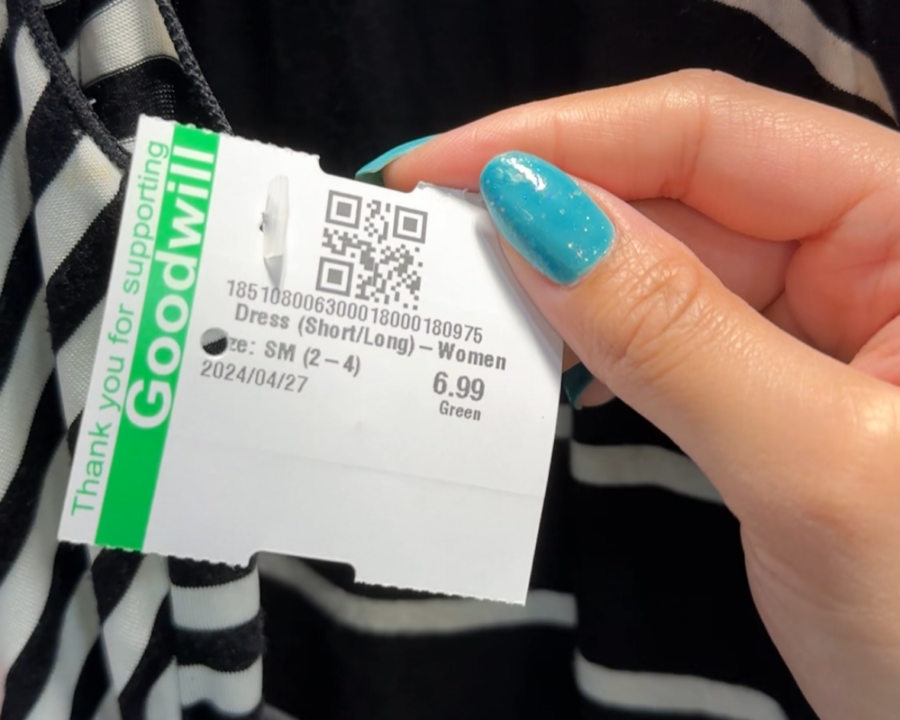
Shoppers are noticing the difference
Marketplace reader Jill Jordan raised the question after seeing higher thrift store prices in several cities, including Atlanta, New Orleans, Asheville, and Santa Fe. She recalled shirts that once cost a couple of dollars selling for around $4, while pots and pans that used to cost $3 or less were now priced between $5 and $8.
Those numbers might not sound outrageous on their own. But when you’re shopping secondhand specifically to save money, the difference adds up. And when a used item is priced close to what it originally cost, it’s reasonable to wonder where the bargain went.
Related: The Things Goodwill Employees Wish People Knew Before Donating
Thrift stores know more about what they have
Part of the appeal of thrifting has always been the possibility of finding something valuable mixed in with everyday donations. A well-made coat, a vintage dish, or a designer label might have the same modest price tag as everything else on the rack.
That’s becoming less common in some stores.
Jennifer Le Zotte, an associate professor of history at the University of North Carolina Wilmington and author of From Goodwill to Grunge, told Marketplace that some thrift stores now separate higher-value merchandise rather than pricing it alongside ordinary items.
That means a shopper may have a harder time stumbling across an unexpectedly valuable find at an everyday thrift store price.
Related: Thrifting Mistakes That Make You Miss the Best Finds
Online resale prices may be influencing the tags
If you’ve ever looked up an item on eBay or Poshmark while standing in a thrift store aisle, you may not be the only one doing a little research.
Some thrift shops with enough staff look at online resale platforms to help determine what an item might be worth. They may not match those prices exactly, but the listings can influence how much they charge.
There’s an important difference, though, between an item’s asking price online and what someone will actually pay for it. A used item sitting on a thrift store shelf also may not have the same condition, audience, or selling costs as one listed by an online reseller.
For shoppers, the takeaway is simple: a higher price tag doesn’t automatically mean it’s a good deal.
Reselling has changed the secondhand market
Secondhand shopping isn’t just about buying things for personal use anymore. Some shoppers buy items specifically to resell them online, which has made it easier for both buyers and sellers to see what certain used goods might be worth.
Thrift stores may also see an opportunity to earn more from items that resellers would otherwise buy and flip for a profit.
That doesn’t mean resellers alone are responsible for rising thrift store prices. They’re part of a larger secondhand market where more people are shopping, selling, and paying attention to the potential value of used goods.
Donated merchandise doesn’t mean a store has no expenses
It’s easy to look at a donated shirt with a surprisingly high price tag and think, But the store got that for free.
While thrift stores may receive their merchandise through donations, they still have expenses to cover, including rent, utilities, employee wages, and the cost of sorting and preparing items for sale. Prices can also vary depending on the store’s location, an item’s condition, and how much demand there is for it.
That’s why you might find a reasonable price at one thrift store and a much higher one across town, even at the same chain.
Related: I Accidentally Donated Something Important—Can I Get It Back?
So, is thrifting still worth it?
Absolutely. You can still find affordable clothing, quality furniture, vintage pieces, and everyday household goods for much less than you’d pay new. You may just have to be more selective about what you put in your cart.
Before heading to the register, consider what the item would cost new, whether it needs repairs or cleaning, and how much you’ll actually use it. A $6 find isn’t saving you money if it’s going to sit untouched in a closet. And a $25 secondhand item isn’t necessarily a bargain if a comparable new one costs $30.
Thrift stores may be getting savvier about pricing, but shoppers can be savvier, too. Sometimes the best thrift store find is the one you decide to leave on the shelf.