16 Foods Worth Having If Grocery Store Shelves Suddenly Empty
Empty grocery shelves probably aren’t something most of us thought much about years ago. But weather emergencies, shipping problems, and other unexpected events have shown how quickly everyday groceries can become harder to find.
That doesn’t mean you need to rush out and fill your pantry with years’ worth of food. For most households, a more practical idea is to keep a small supply of foods you already eat and rotate them into your regular meals.
I prefer keeping pantry staples that store well, are easy to use, and can work in several different meals. That way, if a grocery trip gets pushed back or certain items are temporarily unavailable, I already have something at home to work with.
Here are 16 foods and pantry staples worth keeping around if you want to be a little more prepared for an unexpected shortage.
Rice
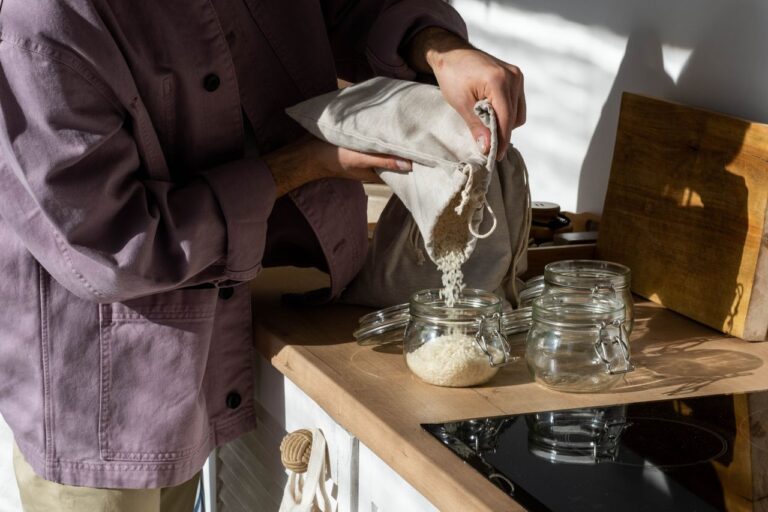
Rice is one of those pantry staples that’s hard to beat. It’s inexpensive, filling, easy to prepare, and can go with just about anything. White rice also has a long storage life when kept in an airtight container in a cool, dry place.
I like having rice around because it can turn a small amount of meat, beans, vegetables, or sauce into a much more filling meal. It also works well for leftovers, which makes it easy to use before you buy more.
Canned Meats
Canned meat can be handy when fresh protein is harder to find. Canned chicken, tuna, turkey, and beef can sit in the pantry for a long time and don’t require refrigeration until they’re opened.
They’re also easy to work into meals you may already make, including soups, casseroles, pasta dishes, salads, and sandwiches. Having a few different varieties gives you more options than keeping a large amount of one type.
Related: 7 Canned Foods Frugal People Always Buy
Shelf-Stable Milk
Fresh milk is one of those groceries that can disappear quickly during a disruption. Shelf-stable choices, including powdered milk and ultra-pasteurized (UHT) milk, can provide another option for cooking and drinking when fresh milk isn’t available.
Storage times vary by product, so check the package before buying a large amount. Powdered milk can be especially useful for baking, sauces, and other recipes where you don’t need a carton of fresh milk.
Canned Vegetables
Canned vegetables are easy to store and can add some variety to pantry meals. Peas, corn, green beans, carrots, and other canned vegetables can be used in soups, casseroles, pasta dishes, rice bowls, and side dishes.
They also save you from having to rely entirely on fresh produce. Keeping a few cans of vegetables you actually enjoy makes them much easier to use before they sit in the pantry for too long.
Pasta
Dried pasta is another pantry staple that can turn a few basic ingredients into a filling meal. It cooks fairly quickly and works with tomato sauce, canned vegetables, meat, cheese, beans, or even a little olive oil and seasoning.
Most dried pasta has a long shelf life when kept in a cool, dry place. Check the package date and store opened pasta in a sealed container if you plan to keep it around for a while.
Flour
A bag of flour can be useful for much more than making bread. It can be used for pancakes, biscuits, muffins, homemade pizza dough, sauces, and plenty of other recipes.
If you bake regularly, keeping an extra bag or two can save you a trip to the store when supplies are limited. Just make sure you have a good place to store it, since flour can attract pantry pests if it’s left open for too long.
Sugar and Honey
Sugar and honey are both useful pantry staples, especially if you bake or make homemade drinks. Sugar has a very long storage life when kept dry, while properly stored honey can last for an extremely long time.
Honey can crystallize over time, but that doesn’t necessarily mean it has gone bad. It can usually be returned to a smoother consistency with gentle warming. Both ingredients also take up relatively little storage space compared with many other foods.
Canned Fish
Canned tuna, salmon, sardines, and similar fish are easy ways to keep protein in the pantry without relying on refrigeration. They’re ready to use and can be mixed with pasta, rice, crackers, vegetables, or sandwich ingredients.
I also like that canned fish can make a meal with little cooking. That’s useful on days when you don’t have many fresh ingredients available.
Cooking Oils
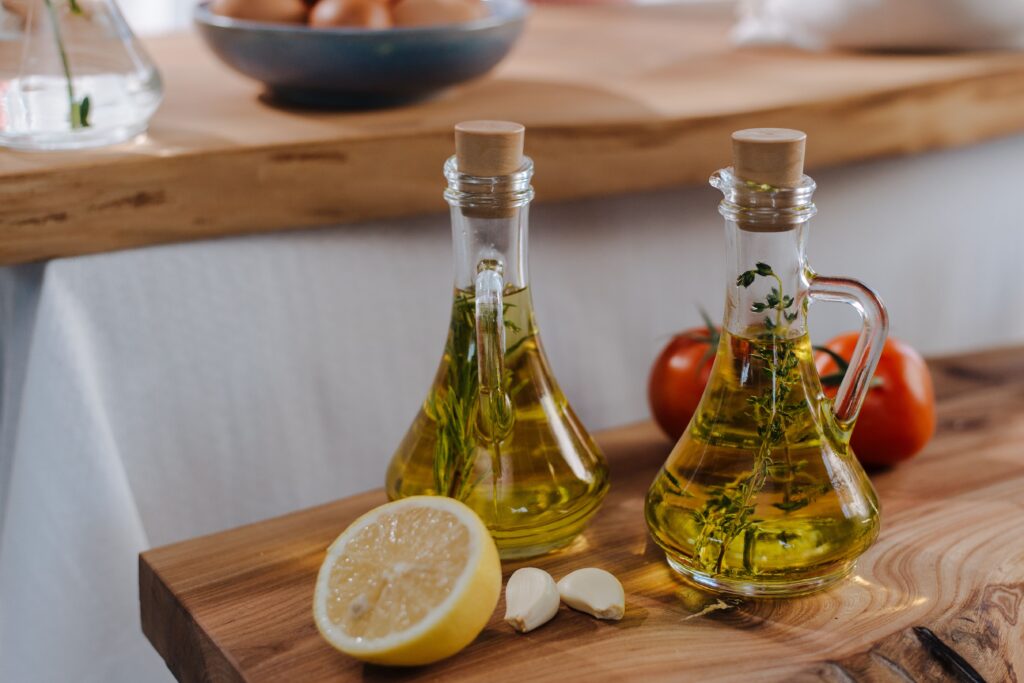
Cooking oil is easy to overlook until you run out. Olive oil, vegetable oil, and coconut oil can be used for cooking, baking, sauces, and plenty of everyday recipes.
Olive oil is especially useful if you already use it regularly, but there’s no reason to buy a large quantity of an oil you rarely cook with. Buy what fits your household and pay attention to the storage instructions and best-by dates.
Tomato Products
Canned tomatoes, tomato sauce, and tomato paste are among the most useful items to have in a pantry. They can form the base of pasta sauce, soup, chili, stew, casseroles, and plenty of quick meals.
Tomato paste is especially handy because a small amount can add a lot of flavor to a recipe. Since cans take up relatively little room, keeping a few different tomato products on hand can give you plenty of meal options.
Salt
Salt is one pantry item that’s easy to overlook because most people use it in small amounts. But it has many uses beyond seasoning food, including certain curing and pickling methods.
Dry salt can last indefinitely when stored properly. You don’t need a large supply, but having an extra container in the pantry can be useful if you’re trying to limit unnecessary trips to the store.
Powdered Eggs
Powdered eggs can serve as a backup for recipes that call for eggs. They’re particularly useful for baking, and some products can also be rehydrated and cooked for dishes such as scrambled eggs.
Storage and preparation instructions vary by product, so follow the directions on the package. If you don’t use powdered eggs often, buying a smaller package may make more sense than stocking a large amount.
Dried Beans
Dried beans are inexpensive, filling, and easy to store. They provide protein, fiber, and other nutrients and can be used in soups, chili, rice dishes, burritos, salads, and many other dishes.
They can stay usable for years when stored in a cool, dry place, although older beans may take longer to cook. Keeping them in sealed containers can also help protect them from moisture and pantry pests.
Dried Fruit
Raisins, dried apricots, cranberries, dates, and other dried fruits are easy to store and don’t take up much room. They’re useful for snacks, baking, oatmeal, trail mix, and other meals.
Their storage life depends on the type of fruit and how it’s packaged. Once opened, keeping dried fruit sealed can help prevent it from drying out or absorbing moisture and odors from the pantry.
Coffee and Tea
For people who drink coffee or tea every day, running out can be more of an annoyance than expected. These aren’t foods you need for basic nutrition, but having an extra package on hand can be comforting when a trip to the store isn’t possible.
Coffee and tea are also easy to store compared with many fresh groceries. I like keeping an extra supply of the kind I already drink rather than buying something unfamiliar just because it has a long storage life.
Water
Water isn’t food, but it belongs on any basic household preparedness list. A temporary disruption to the local water supply, an emergency, or a problem with your home’s plumbing can make clean drinking water harder to access.
Keep bottled water or properly stored drinking water in a place that’s easy to reach. It’s also a good idea to check stored water periodically and follow the storage recommendations on the container.
Related: 14 Things Every Prepper Should Stockpile Besides Food and Water