For many people who grew up in the 1960s and 1970s, Saturday mornings had a routine that was hard to beat. You got up early, poured yourself a bowl of cereal, and turned on the TV before the rest of the house was fully awake. For a few hours, cartoons were the main event.
There was something special about knowing your favorite shows would be waiting for you every Saturday. Many of the characters from those years are still familiar today, and a few of these shows have managed to stick around through reruns, movies, toys, and new versions.
If you grew up during this time, you probably remember at least a few of these cartoons. Some were funny, some were packed with adventure, and others were just plain strange in the best possible way.
The Flintstones
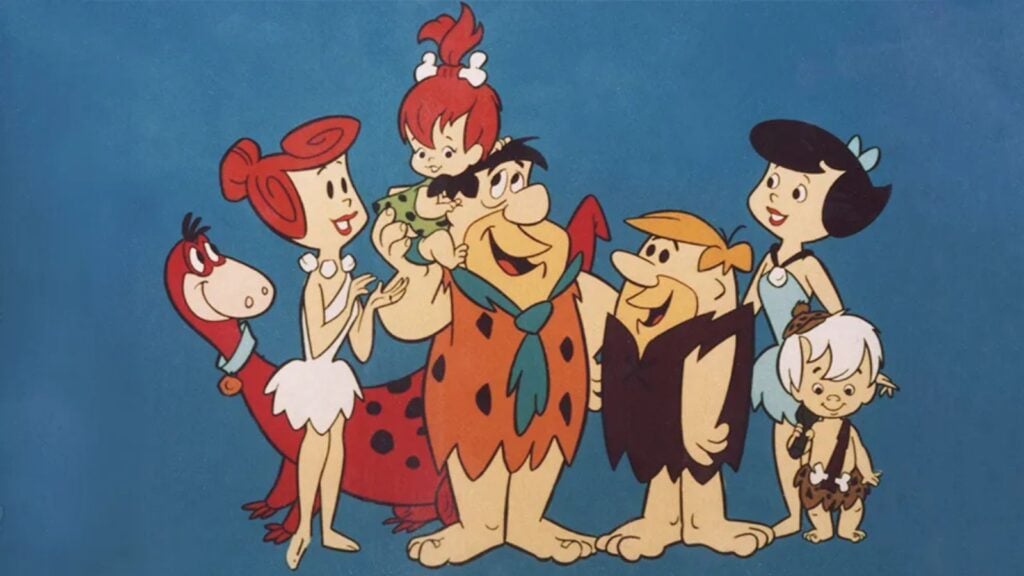
The Flintstones premiered in 1960 and quickly became one of the most recognizable animated shows on television. Set in the fictional town of Bedrock, the series followed Fred Flintstone, his family, and their neighbors as they dealt with everyday problems using Stone Age versions of modern conveniences.
The jokes worked on two levels, which made the show enjoyable for both kids and adults. Fred might be dealing with work, family, or a disagreement with Barney, while the whole thing played out with prehistoric cars, animals used as household appliances, and plenty of silly situations. Fred’s famous “Yabba Dabba Doo!” also became one of the best-known cartoon catchphrases of the era.
Related: Iconic Double VHS Movies from the Good Old Days
Scooby-Doo, Where Are You!
When Scooby-Doo, Where Are You! arrived in 1969, it gave Saturday mornings a combination kids couldn’t get enough of. Scooby, Shaggy, Fred, Daphne, and Velma traveled around in the Mystery Machine and somehow kept finding themselves in creepy places with mysterious goings-on.
The formula was usually pretty familiar: something strange happened, everyone got scared, Scooby and Shaggy tried to get away from it, and the gang eventually figured out what was really going on. The reveal that the “ghost” or monster was usually a person in disguise became one of the show’s trademarks.
Looney Tunes
Looney Tunes had been around long before Saturday morning television, with many of its shorts originally shown in movie theaters. Once those cartoons found a regular home on television, characters such as Bugs Bunny, Daffy Duck, Porky Pig, and Elmer Fudd became familiar faces to a whole new generation.
The shorts didn’t need complicated stories to keep kids watching. A clever joke, a ridiculous chase, or Bugs Bunny outwitting another character could carry an entire cartoon. The fast pacing and physical comedy also made these shows easy to watch again and again.
Tom and Jerry
Tom and Jerry had been battling each other long before many children of the ’60s and ’70s discovered them on television. The basic setup was easy to follow: Tom wanted to catch Jerry, Jerry wanted to stay one step ahead, and their plans usually ended in complete chaos.
Much of the humor came through facial expressions, elaborate schemes, sound effects, and physical comedy rather than long conversations. The theatrical shorts were also known for their detailed animation and earned several Academy Awards before becoming television favorites.
Related: Double VHS Movies That Made Family Movie Night Feel Huge
The Jetsons
Premiering in 1962, The Jetsons offered kids a peek at what television writers thought the future might look like. George Jetson, his wife Jane, their children Judy and Elroy, and their robot maid Rosie lived in a world filled with flying cars, moving walkways, video calls, and household gadgets.
Some of those ideas seemed completely outlandish at the time. Others turned out to be surprisingly close to technology people would eventually use in everyday life. That mix of family comedy and futuristic gadgets gave The Jetsons a style that is still easy to recognize.
Josie and the Pussycats
Josie and the Pussycats mixed music, comedy, mystery, and adventure into one colorful show. The series followed an all-girl rock band, Josie, Melody, and Valerie, as they traveled from place to place, performing music and getting caught up in unusual situations.
Of course, a simple concert rarely stayed simple for long. The group often ended up involved in some kind of mystery or adventure, giving the show a little more action than a typical music cartoon. The songs and bright animation also helped the series stand out.
Speed Racer
Originally produced in Japan, Speed Racer became one of the early Japanese animated series to gain a large American audience. The story centered on Speed, a young race car driver who competed in dangerous races while dealing with rivals, villains, and all kinds of trouble along the way.
The Mach 5 was just as memorable as the characters, with its unusual gadgets and sleek design. The races could feel intense, especially for younger viewers, and the show’s dramatic style gave it a different feel from many of the lighter cartoons airing at the time.
The Pink Panther Show
The Pink Panther first appeared in the opening credits of the Pink Panther movies before becoming popular enough to get his own animated series. On The Pink Panther Show, the cool, mostly silent character found himself dealing with all sorts of ridiculous situations.
The show had a style of its own, from the jazzy theme music to the visual jokes and the Pink Panther’s laid-back attitude. He didn’t need much dialogue to be funny, which made the cartoons easy to follow and memorable.
Yogi Bear
Yogi Bear and Boo-Boo spent their days in Jellystone Park trying to get their paws on picnic baskets. Yogi usually had a plan for getting food, but his schemes didn’t always go the way he expected.
His personality was a big part of the fun. Yogi was confident, talkative, and always convinced he had come up with a clever idea, while Boo-Boo often seemed more aware of the trouble they were getting themselves into. The pair became two of Hanna-Barbera’s most familiar characters.
Fat Albert and the Cosby Kids
Fat Albert and the Cosby Kids took a different route from many of the cartoons that filled Saturday morning television. The show followed a group of friends growing up in an urban neighborhood and mixed comedy with stories about friendship, responsibility, school, and problems kids could relate to.
The characters often learned a lesson by the end of an episode, but the show still made room for jokes, music, and plenty of personality. Created by comedian Bill Cosby, the series became a familiar part of Saturday morning television during the 1970s.
Related: Home Upgrades That Can Cost You More Than They Add to Your Home’s Value
The Archie Show
Based on the popular Archie comics, The Archie Show brought Archie Andrews, Betty Cooper, Veronica Lodge, Jughead Jones, and the rest of the Riverdale group to animated television.
The characters dealt with the usual teenage problems, but music was a big part of the series too. The fictional band The Archies became so popular that their song “Sugar, Sugar” became a real hit in 1969. For kids watching the show, it was a fun combination of familiar comic book characters, music, and lighthearted stories.
Jonny Quest
Jonny Quest had a more serious feel than many of the cartoons airing alongside it. The animation looked different, and the stories involved international travel, scientific mysteries, villains, secret facilities, and plenty of danger.
The series followed young Jonny as he traveled with his scientist father, Dr. Benton Quest, and their companions. Each episode felt more like a small adventure story than a typical comedy cartoon, which helped the series stand out from the rest of the Saturday morning lineup.
The Banana Splits Adventure Hour
The Banana Splits Adventure Hour was one of those shows that was hard to describe to someone who hadn’t watched it. It combined live-action segments, musical performances, comedy sketches, and animated cartoons, all hosted by four colorful animal characters known as the Banana Splits.
The whole thing had a playful, slightly odd quality that made it memorable. The theme song was catchy, the costumes were impossible to miss, and the mix of different segments kept the show moving from one thing to the next.
George of the Jungle
George of the Jungle parodied the familiar Tarzan-style jungle adventure story. George was strong and enthusiastic, but he wasn’t exactly the most graceful hero around. His tendency to crash into things was part of the joke.
The series came from Jay Ward, the same creative team behind shows known for their clever humor and unusual characters. The narrator added another layer of comedy, and the theme song became one of those tunes many viewers could still recognize years later.
Underdog
Underdog looked like an ordinary shoeshine dog most of the time, but that changed whenever trouble appeared. He would transform into a superhero and rush off to save the day, usually while delivering his trademark rhyming lines.
The contrast between his mild-mannered everyday life and his superhero persona made the character fun for kids. His theme song and distinctive voice also helped make Underdog one of the more recognizable animated heroes of the era.
Batman
Batman wasn’t originally a Saturday morning animated series like many of the other shows on this list, but the character was a major part of television culture during the 1960s and continued to appear in animated programming and reruns.
The live-action Batman series starring Adam West and Burt Ward brought bright colors, larger-than-life villains, dramatic cliffhangers, and comic-book sound effects to television. The famous “Pow!” and “Bam!” graphics became closely associated with the show and helped cement this version of Batman in pop culture.