The kitchen has a way of collecting things we no longer need. Between the cabinets, drawers, refrigerator, and pantry, you’ve probably been holding onto something long after it stopped being useful.
If you’re ready to clear out a little kitchen clutter, here are 12 things to check.
1. Old Baking Soda in the Refrigerator
That box of baking soda sitting in the back of your refrigerator might have been there longer than you realize. While baking soda can help absorb odors, it doesn’t work indefinitely.
If you’ve been using the same open box for several months, it’s probably time to replace it. Many manufacturers recommend changing refrigerator baking soda about every 30 days for the best odor control.
Before throwing it away, you can use the old baking soda for certain household cleaning tasks, as long as it hasn’t been contaminated.
2. Scratched Nonstick Pans
Take a good look at the nonstick pans in your kitchen. If the coating is peeling, flaking, or badly scratched, it’s probably time to replace them.
Nonstick cookware doesn’t last forever, and damaged coatings can make cooking and cleaning more difficult. Small surface marks don’t always mean a pan is unsafe, but peeling or deteriorating coatings are a good reason to stop using it.
Unlike cast iron, which you can often restore, a damaged nonstick coating generally can’t be repaired at home.
3. Food Containers and Pan Lids Without Matches
Almost every kitchen has a cabinet full of plastic containers. It’s likely those lids no longer match.
Take everything out and see what actually matches. Toss containers that are cracked, warped, or badly damaged, along with lids that no longer fit anything.
The same goes for those random pot and pan lids you’ve been keeping for years. If they don’t match any cookware and you don’t have another use for them, there’s little reason to keep storing them.
4. Old Dish Sponges and Worn-Out Kitchen Linens
If your kitchen sponge smells unpleasant, is falling apart, or looks like it’s been through too much, it’s time for a new one. Sponges can collect bacteria, especially when they stay damp between uses.
While you’re at it, check your dish towels and oven mitts for holes, tears, or persistent odors. You can turn old, usable towels into cleaning rags.
5. Spices and Coffee That Have Lost Their Flavor
Take a look at the spices hiding in the back of your cabinet. If they’ve been sitting there for years and barely have a smell anymore, they’re probably not adding much flavor to your food.
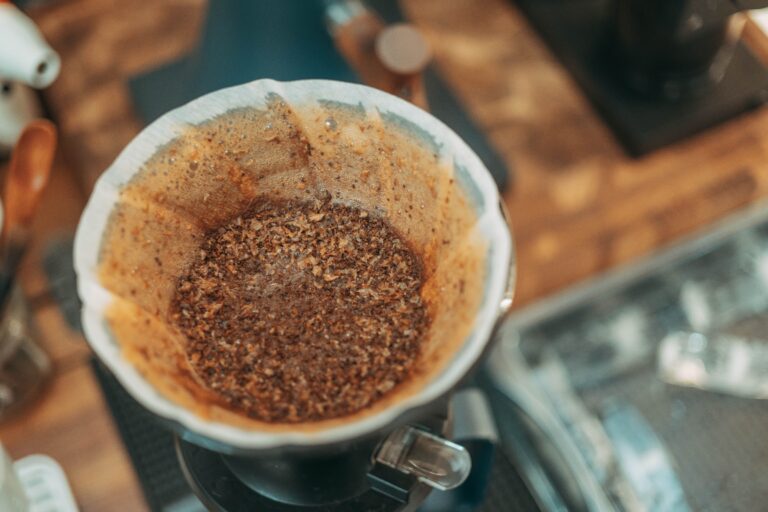
The same goes for old coffee beans and ground coffee. They may not necessarily be unsafe, but there’s little reason to keep them if they’ve gone stale.
Related: One of the Best Uses for Leftover Coffee Grounds Has Nothing to Do With Coffee
6. Forgotten Leftovers and Spoiled Food
There’s probably something in the back of your refrigerator that you completely forgot about. Whether it’s leftovers from last week, wilted vegetables, or an old jar of sauce, now’s a good time to check.
Most cooked leftovers should be eaten within three to four days when properly refrigerated. Toss anything spoiled, moldy, or questionable rather than letting it take up space.
7. Freezer-Burned Food You’ll Never Use
We’ve all held onto something in the freezer because throwing away food feels wasteful. But if that package of chicken or vegetables has been sitting there forever and you know you’ll never use it, there’s no reason to keep it.
8. Broken or Unused Small Appliances
That blender with the broken button or coffee maker you haven’t used in years is probably taking up valuable cabinet space. If it doesn’t work and you have no plans to repair it, it’s time to let it go.
Appliances that still work can be donated or sold, while broken ones may need to go through an electronics recycling program.
9. Chipped Dishes, Cracked Glasses, and Excess Mugs
Check your plates, bowls, glasses, and coffee mugs. Remove anything with significant chips or cracks from regular use, especially if it has sharp edges.
And if your cabinet is overflowing with mugs you never reach for, consider donating a few. There’s no need to keep every free promotional mug you’ve collected over the years.
10. Old Cleaning Products
Cleaning products don’t necessarily last forever, especially disinfectants that can lose effectiveness over time. Check the bottles under your sink for expiration dates, leaks, or products you haven’t touched in years.
If something needs to be discarded, follow the label and local disposal guidelines. Certain household chemicals shouldn’t go into regular trash or down the drain.
Related: 10 Surprising Ways Castile Soap Can Replace Many of Your Cleaning Products
11. Takeout Sauce Packets, Plastic Utensils, and Extra Bags
That drawer full of ketchup packets, plastic forks, and extra napkins can get out of hand pretty quickly. It’s easy to save everything thinking you’ll use it someday, but most of it ends up sitting there for months.
Keep what you’ll realistically use, and toss anything damaged, spoiled, or unnecessary. While you’re at it, sort through the pile of grocery bags taking over your cabinets.
12. Moldy or Deeply Grooved Cutting Boards
Cutting boards eventually wear out, especially when they develop deep grooves, cracks, or hard-to-clean areas. Those damaged spots can trap food particles and make it harder to clean properly.
If your cutting board is badly warped, split, or has persistent mold, it’s time to replace it. Some wooden boards with minor surface damage can be sanded and restored.