Inheriting a house sounds like a pretty good deal. You suddenly own a piece of property that could be worth hundreds of thousands of dollars, and you didn’t have to spend years saving for a down payment.
But what many people don’t realize is that inheriting a home can also come with a long list of expenses, responsibilities, and difficult decisions. And depending on the condition of the property, keeping it could cost more than you can comfortably afford.
From property taxes and expensive repairs to disagreements between siblings, that family home may turn out to be more of a financial burden than anyone expected.

When an Inherited Home Becomes a Financial Burden
A recent Washington Post article by Alicia Adamczyk highlighted the challenges some families face when inheriting property, including the story of two sisters in Tulsa, Oklahoma.
After their mother passed away, the sisters inherited the two-bedroom home where they grew up. Their mother had purchased the property for $38,000 in 1998, but the house had not been well maintained in recent years. Much of her available money had gone toward medical expenses after a breast cancer diagnosis.
One sister wanted to turn the property into a rental, but neither had the money needed to make improvements or buy out the other’s share.
They also had different ideas about what should happen to the house, which created tension between them. Eventually, the sisters decided to sell the property to a home-flipping company for $52,000.
It’s a situation that illustrates something many families don’t consider until they’re dealing with it themselves. Inheriting a home doesn’t necessarily mean inheriting the money needed to take care of it.
The Repairs Can Add Up Quickly
One of the biggest financial surprises can be the condition of the property itself.
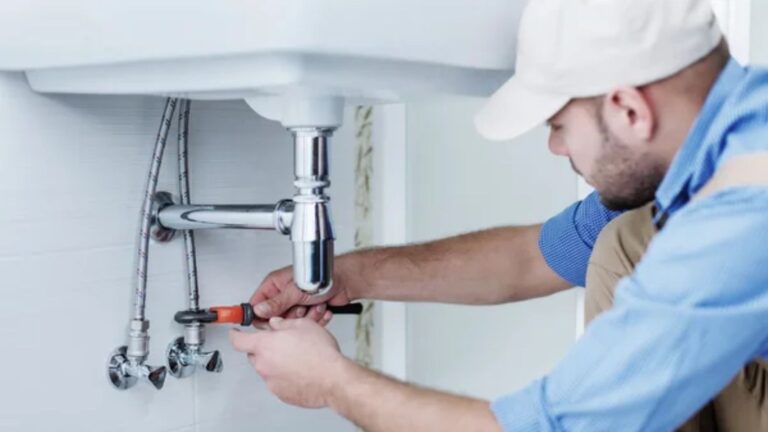
A home that’s been in the family for decades may have an aging roof, outdated electrical wiring, plumbing problems, or heating and cooling systems that need replacing. If the previous owner was elderly, ill, or struggling financially, some of those repairs may have been put off for years.
And unlike buying a home, where you can negotiate repairs with the seller or walk away after an inspection, inheriting a property means those problems are now yours to figure out.
Even relatively small improvements can become expensive when several things need attention at once.
If the plan is to rent the property, there may be additional work needed to make it safe, functional, and compliant with local rental requirements. If you’re planning to sell, you may still have to decide whether to invest in repairs or accept a lower offer from someone willing to purchase the home as-is.
Related: She Inherited a House With No Mortgage. Now She’s Charging Her Husband Rent to Live There
The Monthly Bills Don’t Disappear
Property taxes, homeowners insurance, utilities, landscaping, and routine maintenance can continue while the family decides what to do with the property.
If there’s an outstanding mortgage, those payments may also need to be addressed. Depending on the circumstances, the estate or heirs may have options for handling the loan, but the debt doesn’t automatically disappear when the homeowner dies.
An empty property can also create additional insurance complications. Some insurance policies limit coverage when a home has been vacant for an extended period, meaning the new owners may need to arrange different coverage.
These expenses can become particularly difficult when someone already has their own mortgage or rent to pay.
Owning a second home might sound appealing, but paying to maintain two properties is another story.
Inheriting a House With Siblings Can Get Complicated
Sometimes it’s getting everyone to agree on what happens next.
One sibling may want to sell the property and split the proceeds. Another may want to keep it because of sentimental value. Someone else may see an opportunity to turn it into a rental and generate monthly income.
All three options can make sense, but they don’t necessarily work well together.
If one person wants to keep the house, they may need enough money or financing to buy out the other heirs. If nobody can afford that, selling may become the most practical option.
There can also be disagreements about who pays the property taxes, handles repairs, cleans out the house, or manages the sale.
And when a childhood home is involved, those decisions aren’t always easy. People may have strong emotional attachments to the property, even when keeping it doesn’t make financial sense.
Depending on how the property is owned and state law, unresolved disagreements can sometimes lead to legal proceedings, including a court-ordered sale.
Selling the House Can Come With Its Own Expenses
Before a property can be listed, there may be years of belongings to sort through, furniture to remove, and repairs or cleaning that need to be completed.
Some families choose to hold an estate sale to clear out the property and recover some money. Others hire companies to handle the cleanout, which becomes another expense.
Then there are real estate commissions, closing costs, and potentially legal fees associated with settling the estate.
Taxes can also be confusing. Inherited property generally receives a tax basis based on its fair market value at the date of the previous owner’s death, although exceptions and special rules apply. That means heirs aren’t necessarily taxed on the entire increase in value since their parents originally purchased the home.
However, selling the property for more than its inherited tax basis could result in capital gains taxes. The amount of money left after all these expenses may be considerably less than what the family initially expected.
What to Consider Before Deciding What to Do With an Inherited House
If you find yourself inheriting a property, it’s worth taking some time to understand exactly what you’re getting before making a major decision.
Start by finding out whether there’s an outstanding mortgage, unpaid property taxes, liens, or other financial obligations connected to the home.
Next, consider having the property inspected so you have a better idea of its condition and what repairs may be needed.
It also helps to compare the costs of keeping, renting, and selling the property rather than making a decision based entirely on sentimental value or the home’s estimated market price.
An estate attorney or tax professional can help clarify ownership, probate requirements, and potential tax consequences before anyone signs paperwork.