
Termites can cause extensive damage before homeowners realize there’s a problem. They often hide inside walls, under floors, and within wooden supports, leaving few visible clues until the damage spreads.
Small maintenance issues can make a home more inviting to termites, especially when wood, moisture, and easy access come together. Check for these 12 common mistakes around your property to help lower the risk of an infestation.
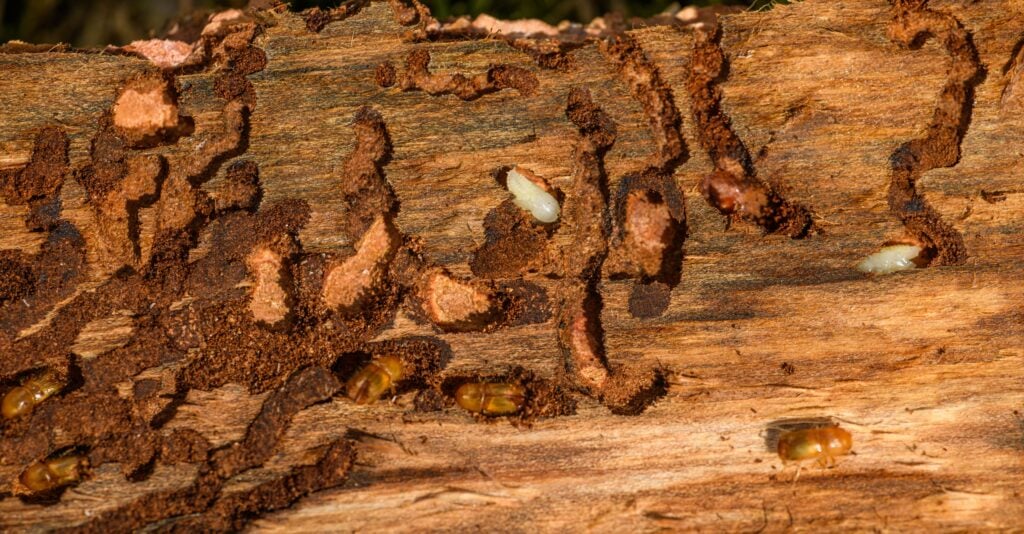
Excess Moisture
Leaky pipes, clogged gutters, damp crawl spaces, and standing water can create conditions that favor certain termite species. Fix leaks as soon as possible and keep basements, crawl spaces, and other areas beneath the house dry.
Related: 4 Things Aldi Cashiers Wish Every Shopper Would Stop Doing
Wood-to-Ground Contact
Wooden siding, deck supports, porch steps, and other parts of a home that touch soil can give termites a direct route to the structure. Keep wood off the ground when possible, and check existing posts and supports for signs of damage.
Related: 12 Things You Should Never Do at a Gas Station
Poor Ventilation
Poor airflow in crawl spaces and basements can allow moisture to build up, creating conditions that may increase termite risk. Check for blocked vents and lingering dampness, and address ventilation or moisture problems before they cause further trouble.
Related: 10 Things Plumbers Wish You’d Stop Pouring Down the Drain
Storing Firewood Too Close to the House
Firewood can provide food and shelter for termites, particularly when the pile rests on damp soil near the house. Store logs several feet away from the building and raise them off the ground on a suitable rack.
Cracks in the Foundation
Gaps around the foundation, utility lines, and plumbing penetrations let termites do significant damage, and cracks can also let moisture in. Inspect the foundation regularly and seal cracks with materials suited to the location, keeping in mind that sealing cracks alone won’t prevent an infestation.
Related: If You Struggle to Throw Things Away, Try Asking Yourself This
Letting Landscaping Get Overgrown
Dense shrubs, climbing vines, and branches touching the house can hold moisture against exterior surfaces and make termite activity harder to spot. Trim plants away from the building and keep the foundation visible so you can check for mud tubes or damaged wood.
Poor Drainage Around the Foundation
Water that collects beside the house can leave the soil around the foundation damp for long periods. Keep gutters clean, extend downspouts away from the building, and correct grading problems that send water toward the house.
Using Untreated Wood Outdoors
Untreated wood can be vulnerable to termite damage, especially if it contacts soil and stays wet. For decks, fences, and other outdoor projects, choose wood rated for the intended use and follow local building requirements for ground contact and weather exposure.
Leaving Yard Debris to Build Up
Old stumps, fallen branches, scrap lumber, and other wood debris can provide food and shelter for termites near your house. Remove unwanted wood, clear away accumulated debris, and avoid storing discarded lumber beside the foundation.
Ignoring Small Gaps and Openings
Openings around pipes, cables, doors, windows, and foundation joints give pests, including termites, access. Seal suitable gaps with the right materials, and have larger openings or damaged areas repaired rather than covering them temporarily.
Skipping Regular Inspections
Termites often remain hidden, so waiting for obvious damage can mean missing the early signs of an infestation. Look for mud tubes, hollow-sounding wood, discarded wings, and damaged timber, and arrange a professional inspection if you suspect termite activity.
Placing Mulch Against the Foundation
Mulch helps garden soil retain moisture, but thick layers placed against a home’s exterior can keep the area damp and hide termite activity. Keep mulch and soil below siding and other vulnerable wood, and leave a visible inspection gap around the foundation.
A few routine checks can help reduce the conditions that make termite damage more likely. Control: Control moisture, store wood away from the house, and address suspicious signs early so a small issue is unlikely to become an expensive repair.
Other Topics You Might Like
- If a neighbor’s tree falls on your home in California, who is responsible?
- Need to Block a Neighbor’s View of Your Yard? Here’s How to Do It Without Starting a War
- If a fence falls between neighbors in California, who is responsible for repairs?
- If You Spot These Vintage Garden Peices at a Garage Sale, Grab Them Fast