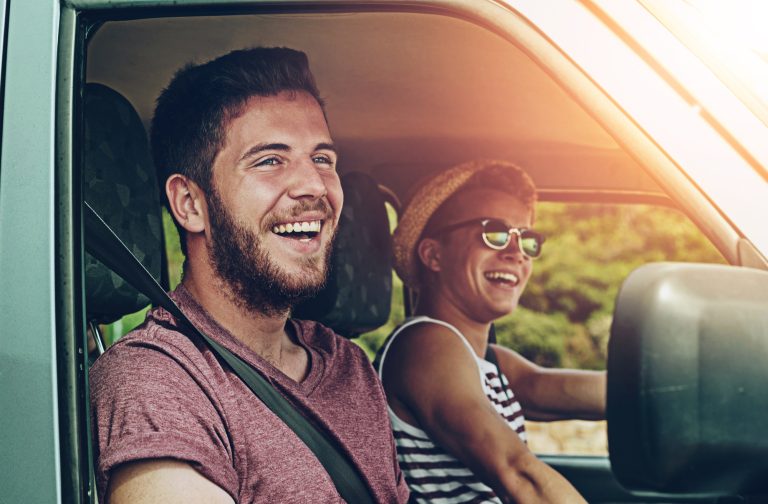
Going to a drive-in movie in the 1960s was about much more than watching a film. It was a family night out, a popular teenage hangout, and a summer tradition where everyone got comfortable and watched the big screen from their car.
Little routines made each visit memorable, from attaching speakers to car windows to making trips to the snack bar during intermission. Kids often fell asleep in the back seat before the second movie ended, while parents stayed until the final credits. Many of these habits have faded, but anyone who grew up with drive-in theaters will likely recognize them.
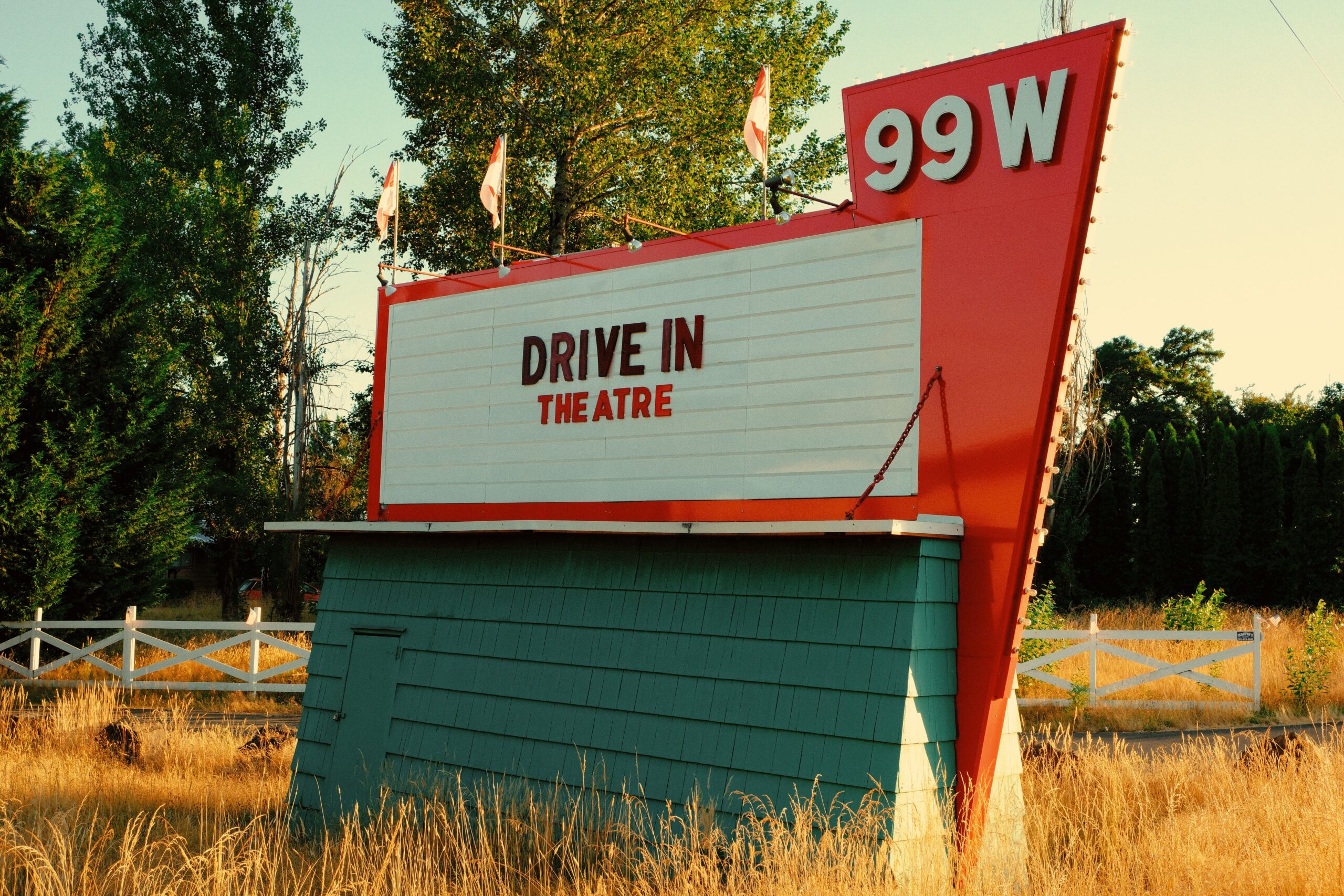
Sit on the Hood of the Car
On warm evenings, some moviegoers brought blankets and sat on the hood of their cars instead of staying inside. It gave them a clear view of the enormous screen and made the evening feel a little like watching a movie outdoors.
Bring Dinner From Home
The concession stand wasn’t everyone’s only food source. Families packed fried chicken, sandwiches, thermoses of coffee, and homemade snacks, turning their parking space into a picnic spot.
Hook a Speaker Onto the Car Window
Before FM radio became a common way to hear drive-in movie audio, theaters provided small metal speakers attached to posts beside each parking space. Moviegoers rolled down a window, hooked the speaker onto the glass, and adjusted the volume so everyone inside could hear.
Let the Kids Fall Asleep in the Back Seat
Double features could keep families at the theater for hours, and younger children rarely made it through both movies awake. Plenty of kids fell asleep in the back seat and didn’t wake up until their parents carried them inside when they got home.
Watch Animated Snack Ads During Intermission
Intermissions often featured animated ads with dancing hot dogs, popcorn boxes, and soda cups. These colorful clips reminded everyone to visit the concession stand before the next movie began.
Make a Concession Stand Run
Popcorn, hot dogs, candy, fountain drinks, and other snacks were part of the drive-in experience. Someone usually made a trip across the parking lot to bring back food for the group before the film started again.
Honk When the Movie Stopped
If the projector stopped working or the picture suddenly froze, the audience wasn’t shy about letting the staff know. One driver might honk their horn, followed by several others until the projection booth got the message.
Sit Through a Double Feature
A drive-in ticket often included two movies, giving families and groups of teenagers a reason to stay for most of the evening. The second feature could run well past midnight, but plenty of moviegoers stayed until it was over.
Fight Fogged-Up Windows
A car full of people on a warm, humid night could quickly fog the windows. Families opened the windows, wiped the glass with their hands, and tried to keep a clear view of the movie.
Watch Movies Through Dew-Covered Windshields
As the night went on, moisture could collect on the windshield and make the picture look blurry. Running the wipers might clear it briefly, but some moviegoers simply put up with the hazy view.
Leave the Windows Open
Sitting in a parked car for several hours could get uncomfortable, especially without air conditioning. Open windows helped bring in cooler air, though they also let in the sounds, smells, and occasional bugs from the surrounding parking lot.
Sneak Extra People Into the Car
Some drive-ins charged admission per vehicle rather than per person, so moviegoers sometimes squeezed extra friends into the car to save money. Some teenagers even tried hiding in trunks or cargo areas to avoid paying admission.
Use the Cigarette Lighter on the Dashboard
Smoking was common during the 1960s, and many cars came with a built-in cigarette lighter on the dashboard. Drivers could push it in, wait for the coil to heat up, and use it to light a cigarette, making the little glowing coil a familiar sight during movie night.