Most of us wipe down kitchen counters, wash our hands, and clean the bathroom regularly. Yet some items we handle all day rarely get cleaned, even though they can collect dirt, oils, food residue, and germs.
From phones that travel everywhere with us to reusable items we carry daily, these belongings deserve a spot on your cleaning checklist. Here are 10 commonly overlooked items and the best ways to keep them clean.
Cell Phones and Smartwatches
Your phone goes almost everywhere with you, from the kitchen to the office, the grocery store, and sometimes the bathroom. Smartwatch bands can also collect sweat and skin oils, so clean both devices regularly with manufacturer-approved products, paying attention to the case and band.
Related: 15 Household Items From Your Parents’ Generation That Are Hard to Find Today
Reusable Water Bottles
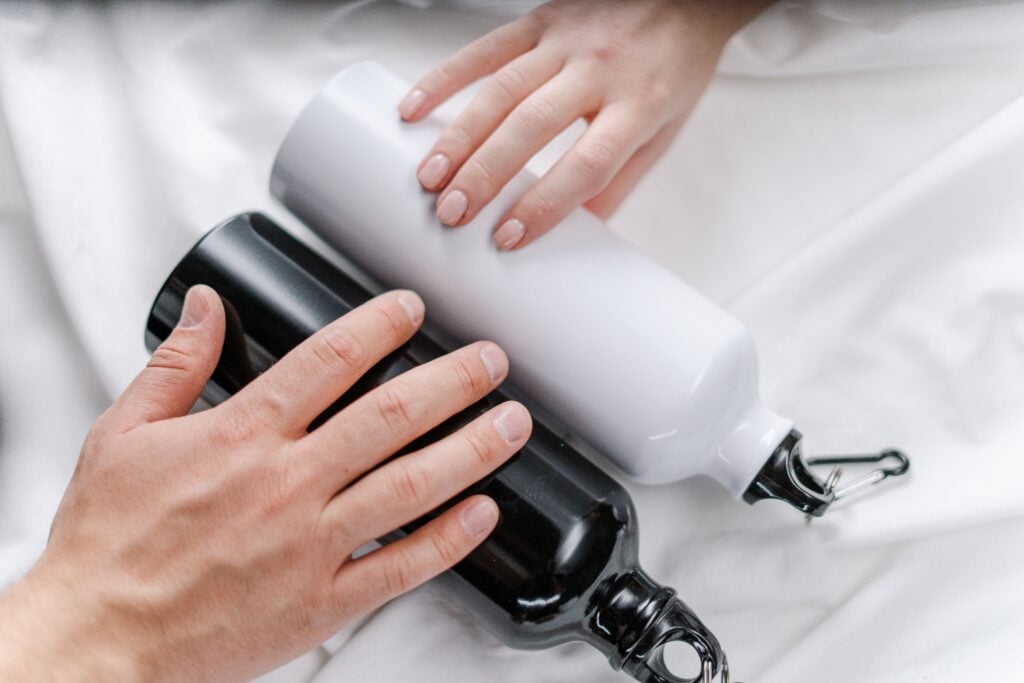
Reusable water bottles can collect saliva, moisture, and residue, particularly around the lid, straw, and drinking spout. Wash your bottle and its removable parts daily with warm, soapy water, or use the dishwasher if the manufacturer says the bottle is dishwasher-safe.
Credit and Debit Cards
Your credit card may pass through checkout counters, restaurants, gas stations, and ATMs during a typical week. If it needs cleaning, follow your card issuer’s instructions and avoid harsh chemicals or soaking the card, as they can damage the chip or other components.
Yoga Mats
Sweat, bare feet, and contact with gym floors can leave dirt and moisture on yoga mats after a workout. Wipe your mat down with a cleaner approved for its material, then let it dry completely before rolling it up to prevent lingering dampness and odors.
Public Touchscreens
Many people use self-checkout kiosks, airport check-in screens, parking meters, and ATMs throughout the day. You don’t need to clean every public screen yourself, but washing your hands afterward or using hand sanitizer when soap and water aren’t available can help reduce the spread of germs.
Contact Lens Cases
Your contact lens case needs regular attention, since a dirty case can contaminate lenses and increase the risk of eye infections. Follow your eye care professional’s instructions: empty the used solution after each use, clean the case with fresh contact lens solution rather than tap water, let it air-dry, and replace it as recommended.
Makeup Brushes and Beauty Sponges
Makeup brushes and beauty sponges collect cosmetics, skin oils, and dead skin cells with each use. Wash them regularly with a suitable brush cleanser or mild soap, rinse thoroughly, and let them dry completely before putting them away.
Cutting Boards
Knife marks and leftover food can make cutting boards harder to clean, especially after preparing raw meat, poultry, or seafood. Wash boards with hot, soapy water after each use, sanitize them when appropriate, and use separate boards for raw animal products and ready-to-eat foods to reduce cross-contamination.
Reusable Shopping Bags
Reusable grocery bags can pick up residue from leaking meat packages, produce, and other shopping items during a trip to the store. Wash fabric bags according to their care labels, clean insulated bags with soapy water when appropriate, and let each bag dry fully before storing it.
Related: Grocery Shopping Hacks People Swear Actually Work
TV Remote Controls
TV remotes pass from person to person and often collect skin oils, crumbs, and dust around the buttons. Check the manufacturer’s cleaning instructions, then wipe the surface with a compatible disinfecting wipe or a lightly dampened cloth, keeping moisture away from openings and the battery compartment.