A toilet might seem like a convenient place to get rid of small household items, especially if they’re wet, messy, or too small to think much about. But toilets and sewer systems are built to handle human waste and toilet paper, not everyday trash.
Many common items can cause problems after they enter the pipes. Some stay intact in water, others swell or stick to pipe walls, and a few can get tangled with debris already in the system. What starts as a minor blockage can eventually lead to an overflowing toilet, a sewer backup, or a costly visit from a plumber.
Keeping these items out of the toilet can help prevent plumbing trouble. Here are 12 things that should go in the trash or another proper disposal system instead.
1. Chewing Gum
Chewing gum doesn’t dissolve in water, so flushing it can leave sticky material inside your pipes. It may also catch other debris passing through, making a blockage more likely over time.
Wrap used gum in a small piece of paper and throw it away. Keeping a small bathroom trash can nearby makes it easy to dispose of gum without flushing it.
Related: 12 Things to Never Buy at Home Depot
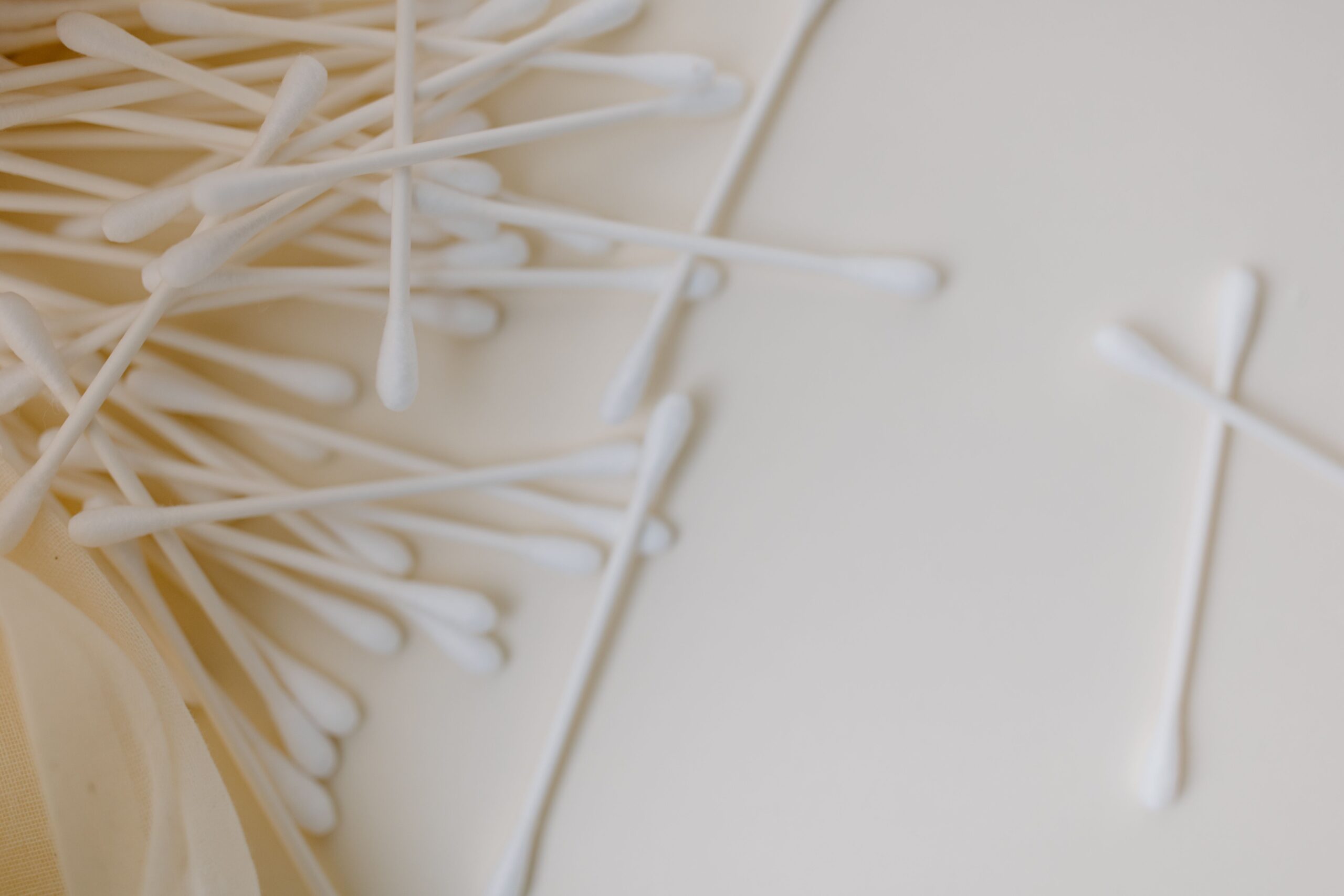
2. Cotton Balls and Swabs
Cotton balls, cotton pads, and cotton swabs may feel soft, but they don’t break apart in water like toilet paper. They can stay intact inside the pipes and collect other material as it passes through.
Put used cotton products in the bathroom trash instead. This also applies to cotton rounds and other disposable beauty products.
Related: 12 Little Known Uses for Cotton Swabs That Simply Make Everyday Life Easier
3. First Aid Bandages
A used bandage may be small, but its materials aren’t meant to go through plumbing. The adhesive can stick to pipe surfaces, while the backing may stay intact and contribute to a clog.
Wrap used bandages before putting them in the trash. A small lined bathroom bin makes disposal easier and keeps them out of the toilet.
Related: 15 Things to Never Buy From BJ’s Wholesale Club
4. Paper Towels
Paper towels are made to stay together when wet, which is helpful for cleaning but can cause problems in plumbing. Unlike toilet paper, they don’t break apart quickly and may get stuck in narrow sections of a pipe.
If you run out of toilet paper, don’t use paper towels as a substitute and flush them afterward. Throw used paper towels in the trash instead.
5. Feminine Hygiene Products
Tampons, pads, and other feminine hygiene products belong in the trash. They’re made to absorb liquid, so they can swell after sitting in water and create a blockage.
Keep a lined bathroom trash can nearby for easy disposal. This is especially helpful in bathrooms used by several people.
6. Diapers
Diapers can cause a serious clog because they’re made to absorb and hold large amounts of liquid. Their absorbent materials can swell inside the pipes and quickly block the flow of water.
Never flush a diaper, even a small one. An odor-sealing diaper pail can help contain smells until it’s time to take out the trash.
7. Paint
Leftover paint should never be poured into the toilet. Some paints contain chemicals that can harm plumbing and wastewater systems, and certain types must be handled as hazardous waste.
Check your local waste disposal guidelines to find out how to get rid of leftover paint. Your local household hazardous waste collection program may accept it.
8. Medication
Flushing unwanted medication can send pharmaceutical chemicals into wastewater systems. Some substances may pass through treatment facilities and reach waterways, where they can affect aquatic life.
Use a medication take-back program or another approved disposal option unless the medication label or local disposal guidance specifically says flushing is appropriate. Pharmacies and community collection events may offer places to drop off unused prescriptions.
9. Grease and Cooking Oil
Hot grease may look like a harmless liquid, but it thickens as it cools. It can coat the inside of pipes and trap food particles and other debris, eventually causing a stubborn blockage.
Let cooking grease cool before putting it in a suitable container or following your local disposal guidelines. Don’t pour it into the toilet or kitchen sink.
Related: 14 Odd, But Useful Olive Oil Hacks That Actually Work
10. Baby Wipes and Wet Wipes
Baby wipes and cleaning wipes are common sources of plumbing trouble. Even products labeled “flushable” may not break apart as quickly as toilet paper, allowing them to remain intact as they travel through pipes and sewer lines.
The safest option is to throw used wipes in the trash, regardless of what the packaging says. Keeping a small bin beside the toilet can make this easier for everyone in the household.
11. Kitty Litter
Kitty litter should never go down the toilet. Many varieties are made to absorb moisture and form clumps, which can become larger and harder to move once they enter the plumbing.
Those clumps can get stuck in pipes and cause difficult blockages. Scoop used litter into a bag and dispose of it according to your local waste rules.
12. Food
A toilet isn’t a garbage disposal, and food scraps don’t belong in the plumbing. Pieces of food can get caught in pipes and collect around other material, contributing to blockages.
Put leftovers and scraps in the trash or compost suitable food waste. A kitchen compost bin gives you a convenient place to collect scraps instead of flushing them.