A clean, organized home can look effortless from the outside, but it’s rarely about perfection or constant cleaning. Most people who keep their homes tidy aren’t spending hours scrubbing every day. Instead, they rely on small, consistent habits that stop messes from piling up in the first place.
What makes the biggest difference isn’t doing more, it’s doing things a little earlier, a little more often, and with more intention. Over time, these habits quietly shape a home that feels calmer, easier to maintain, and less overwhelming.
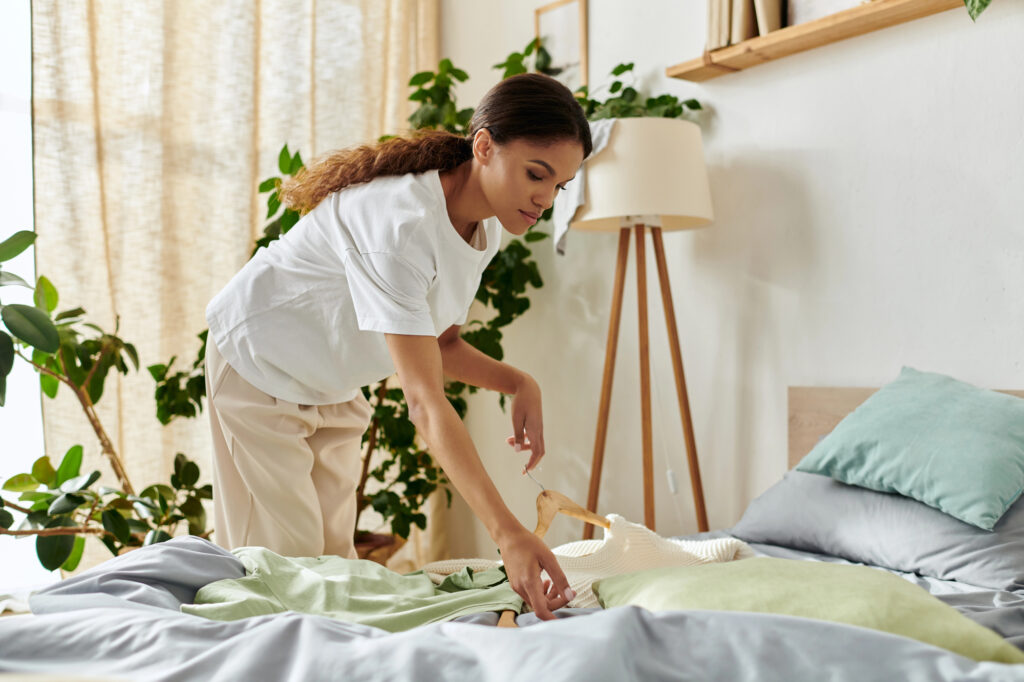
They Make the Bed Most Mornings
Making the bed isn’t about having a magazine-worthy bedroom. It’s about setting the room up to feel put together right away. Even if the rest of the day gets messy, walking past a made bed makes the space feel calmer and more under control.
They Do a Short Tidy at Night
Homes that stay organized usually get a quick reset at the end of the day. Nothing major, just putting things back where they belong, clearing the counters, and picking up obvious clutter. Waking up to a mostly clean space makes mornings easier and sets the tone for the day.
They Clean as Messes Happen
Instead of waiting for things to pile up, they deal with messes in the moment. Dishes are rinsed right after cooking, spills are wiped up quickly, and clutter doesn’t linger long enough to spread. It’s less work overall and keeps things from feeling out of control.
They Declutter Regularly, Not All at Once

Rather than letting clutter build for years, they let go of things gradually. A drawer here, a shelf there. Regular decluttering keeps storage from overflowing and makes it easier to maintain order without feeling overwhelmed.
They Use Simple Storage That Makes Sense
Clean homes aren’t filled with complicated systems; they use storage that works for real life. Baskets, bins, drawer dividers, and shelves help items stay contained and easy to put away, even on busy days.
They Stick to a Loose Cleaning Routine
Most organized homes follow a rhythm rather than a strict schedule. Certain tasks happen weekly, others biweekly or seasonally. Having a routine means nothing gets ignored for too long, and cleaning never turns into an all-day event.
They Handle Small Tasks Right Away
Instead of setting things down “for later,” they deal with them immediately. Coats get hung up, mail gets sorted, and groceries get put away. These small choices prevent clutter from snowballing into something bigger.
They Focus on the Spaces You See First
Kitchens, entryways, and living rooms get the most attention because they’re used the most. Keeping these areas reasonably clean makes the whole house feel better, even if other rooms aren’t perfect.
They Keep Surfaces Mostly Clear
Countertops and tables are kept simple. The fewer things that live on surfaces, the easier it is to clean and the calmer the room feels. Everything else has a place to go.
They Pay Attention to What Comes In
People with organized homes are careful about what they bring inside. New items usually replace old ones, not add to them. This keeps clutter from creeping back in over time.
They Use Walls and Vertical Space
Hooks, shelves, and wall storage help keep floors and counters clear. Using vertical space makes small homes feel bigger and reduces visual clutter.
They Stay on Top of Pet Messes
Pet owners with clean homes don’t let fur and messes linger. They vacuum often, wipe surfaces regularly, and keep pet areas tidy so messes don’t spread throughout the house.
Keep The Pet, Not The Odor: 20 Ways To Reduce Pet Smells In Your House
They Keep Cleaning Supplies Easy to Grab
When cleaning tools are nearby, quick cleanups are easier. Having supplies within reach removes the excuse to put things off.
They Share the Responsibility
Clean homes usually involve more than one person helping out. Everyone pitches in, even if it’s just small tasks. Sharing the load keeps the house from falling on one person to manage.
They Own Less Than They Think They Need
Minimalism doesn’t mean empty rooms; it means keeping what’s useful and letting go of the rest. Fewer items make cleaning faster and organizing easier, which naturally leads to a calmer home.