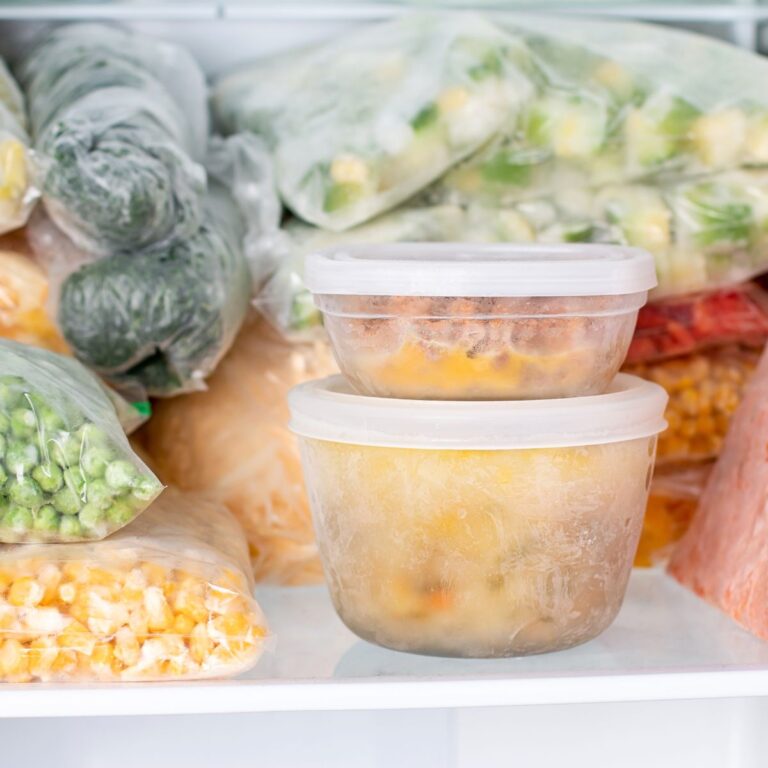
When groceries cost this much, the last thing I want is to buy an ingredient for one recipe and let the rest go bad in the fridge. More shoppers seem to be thinking the same way, planning meals around foods they can use several times throughout the week.
A recent survey by the Idaho Potato Commission found that 60% of Americans now plan their weekly meals around ingredient overlap. Rather than buying a separate set of groceries for every meal, they’re looking for ingredients they can use in different ways.
Shoppers Are Planning Meals Differently
Instead of planning seven unrelated dinners and buying a long list of ingredients, shoppers are finding ways to reuse what they bring home. Potatoes bought for dinner can become breakfast potatoes the next morning, while leftover rice can become another meal later in the week.
The survey found that 26% of respondents specifically choose ingredients they can use in multiple meals. It’s a practical way to cut down on specialty purchases and avoid leaving half-used ingredients in the refrigerator.
Versatile Ingredients Matter More
Shoppers are paying closer attention to how many meals they can get out of one grocery item. Nearly two-thirds of respondents (63%) said being able to use an ingredient for breakfast, lunch, and dinner matters when deciding whether to buy it regularly.
That’s one reason basic staples are so useful. Eggs, potatoes, rice, pasta, and beans can all be prepared in different ways, giving you several meal options without buying a completely different set of groceries each time.
Food Waste Is Part of the Equation
Getting more meals out of your groceries also means making sure the food you buy actually gets eaten. Minimizing food waste mattered to 73% of survey respondents, while 72% said shelf life played a part in their grocery choices.
Planning meals around shared ingredients can help with both. If you already have a plan for using the rest of an ingredient, you’re less likely to find it spoiled in the refrigerator a week later.
Americans Are Buying More Versatile Staples
The survey found that shoppers are leaning more on everyday foods that can be used in several meals. Eggs led the list at 38%, followed by potatoes at 37%, rice and pasta at 35%, and beans at 27%.
These foods make meal planning easier because you’re not stuck using them in just one recipe. Change the seasonings, add different vegetables or proteins, and you can turn the same basic ingredient into something new.
Related: 10 Ways Grocery Stores Get You to Spend More Than Planned
Potatoes Came Out on Top for Versatility
When respondents were asked which foods they considered versatile staples, potatoes ranked first at 40%. Among people who regularly buy potatoes, 82% rated them as good or excellent for use in different types of meals.
It’s easy to see why they scored so well. A single bag can become baked potatoes, soup, mashed potatoes, breakfast potatoes, or a side dish, giving you plenty of options without another trip to the store.
Make Every Grocery Purchase Count
You don’t need a complicated meal plan to start shopping this way. Before adding something to your cart, think about what else you could make with it besides the recipe you originally had in mind.
If an ingredient can work in two or three different meals, it’s more likely to be worth buying than something you’ll use once and forget about. With 60% of surveyed Americans already planning meals around shared ingredients, making groceries last longer may come down to choosing foods that can do more than one job.