It’s easy to hold on to something by telling yourself, “The kids might want this someday.” Old furniture gets moved to the basement, boxes of dishes stay in storage, and collections survive another round of decluttering because getting rid of them feels wasteful.
But someone will eventually have to sort through it all. After helping a parent downsize, many families realize that the things one generation treasures may feel like extra work to the next.
This doesn’t mean you need to get rid of every family possession. It just means being honest about what’s worth keeping, what your children might actually want, and what you can pass along to someone who can use it now.
Large Furniture
That dining set, china cabinet, oversized dresser, or formal living room furniture may have cost a lot of money and lasted for decades. Your children may have smaller homes, different decorating tastes, or no room for bulky pieces they never planned to own.
Boxes of Everyday Dishes
A few pieces of family china may hold special memories, but several boxes of plates, glasses, serving platters, and mismatched kitchenware are a different story. Most adult children already have their own dishes, so passing down an entire kitchen’s worth of extras may leave them with more things to store or donate.
Old Electronics and Mystery Cords
Old phones, chargers, remotes, cameras, and tangled cables often stay in drawers long after they’ve stopped being useful. Unless an item still works or has collectible value, your children probably won’t be excited to spend an afternoon figuring out which device goes with each cord.
Your Entire Collection
You may have spent years collecting plates, figurines, dolls, mugs, coins, or sports memorabilia, and each piece may bring back a special memory. Your children may not share that interest, so ask which items they’d actually like to keep instead of expecting them to take the entire collection.
Duplicate Kitchen Gadgets
Extra mixing bowls, pans, utensils, and small appliances can fill cabinets and storage spaces before you realize it. Keeping several of the same item for your children makes little sense if they already have their own or could easily buy one when needed.
Old Magazines and Newspapers
A newspaper from a historic event or a magazine featuring a memorable family moment may be worth keeping. Stacks of ordinary issues, though, are unlikely to become family treasures, and a few meaningful copies can replace entire boxes.
Clothes You’ve Been Saving for Years
Clothing is personal, and your children may have different sizes, styles, and tastes than you do. A wedding dress, handmade garment, or special vintage piece may be worth preserving, but everyday clothes that have sat untouched for years probably don’t need to stay in storage.
Holiday Decorations
Christmas ornaments and holiday decorations can bring back memories of family traditions and celebrations. Your children may appreciate a few pieces they remember from childhood, but they probably won’t need every decoration you’ve collected over the years.
Books No One Has Asked For
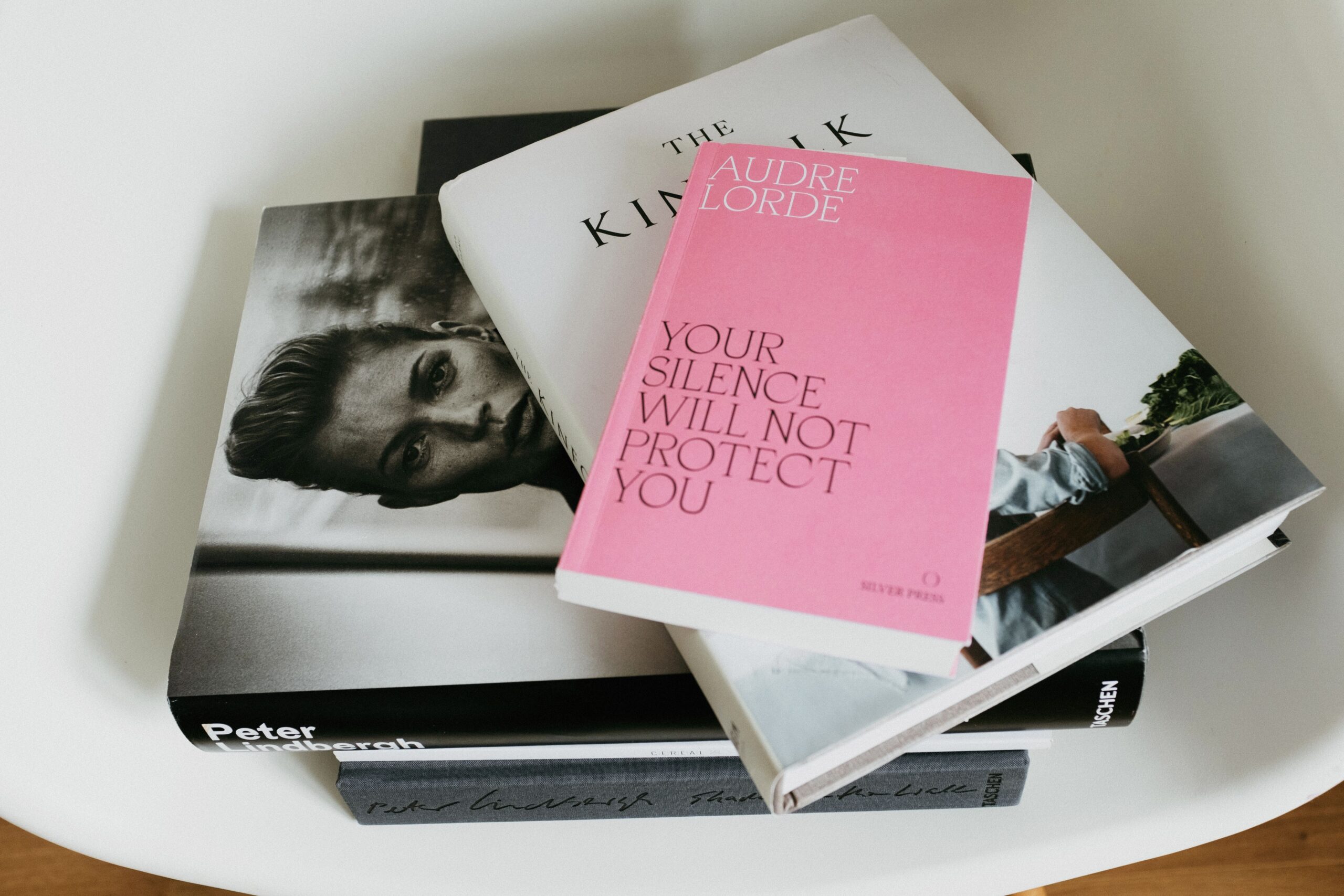
Books can be hard to part with, especially if you’ve spent years building a home library. Keep the family cookbooks, signed copies, favorite stories, and books with personal notes, but consider passing along titles your children have no interest in reading.
Things That Are Sentimental Only to You
Childhood toys, school projects, old clothes, greeting cards, and souvenirs can bring back wonderful memories for parents. Your children may not feel the same attachment, so keep the pieces that mean something to you rather than assuming they’ll want boxes of them later.
Clearing out clutter is different from getting rid of things that may still have personal or financial value. Old jewelry, quality furniture, vintage kitchenware, photographs, vinyl records, and older toys may be worth researching before you decide what to do with them.
A good question to ask yourself is: If my children had to sort through these belongings tomorrow, would they be happy I saved them, or would they wonder why I kept so much?
Sometimes, the kindest thing you can leave your children is a home with fewer boxes to sort through and more time to remember the moments that mattered.