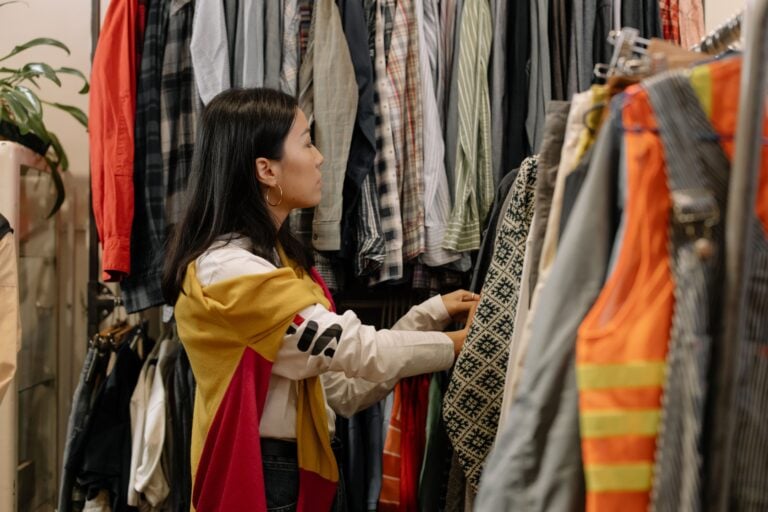
Dropping off a bag of clothes at Goodwill feels like a simple way to give things you no longer wear a second life. But not every donated item makes it onto the sales floor, and not everything that reaches a store finds a buyer.
So what happens to the rest? Depending on the item, its condition, and the options available at a particular Goodwill location, unsold donations may get another chance through outlet stores or other reuse markets. Some textiles may be suitable for recycling, while others are much harder to recover.
Goodwill has also been exploring new ways to handle clothing that can no longer be worn. Here’s a closer look at what can happen after you drop off a donation and why an item that doesn’t sell isn’t necessarily headed straight for the trash.

Selling It Is Still the First Goal
If clothing is in good enough condition to be worn again, resale remains the preferred outcome. That’s the simplest way to extend an item’s life because the clothing can move directly from one person’s closet to another without being broken down or turned into something new.
Goodwill has several ways to make that happen. Donations can be sold through traditional stores and e-commerce, while merchandise that doesn’t sell initially may get another opportunity through Goodwill Outlet stores, where items are often offered at much lower prices and sometimes sold by the pound.
But Eventually, Some Clothing Runs Out of Buyers
Not every donated shirt will find another owner. Some clothing may be too worn to resell, while other pieces simply make it through the retail process without finding a buyer.
That’s where the question of what happens next becomes more complicated. Goodwill has been developing systems to separate reusable textiles from material that could potentially be prepared for recycling rather than treating all unsold clothing the same way.
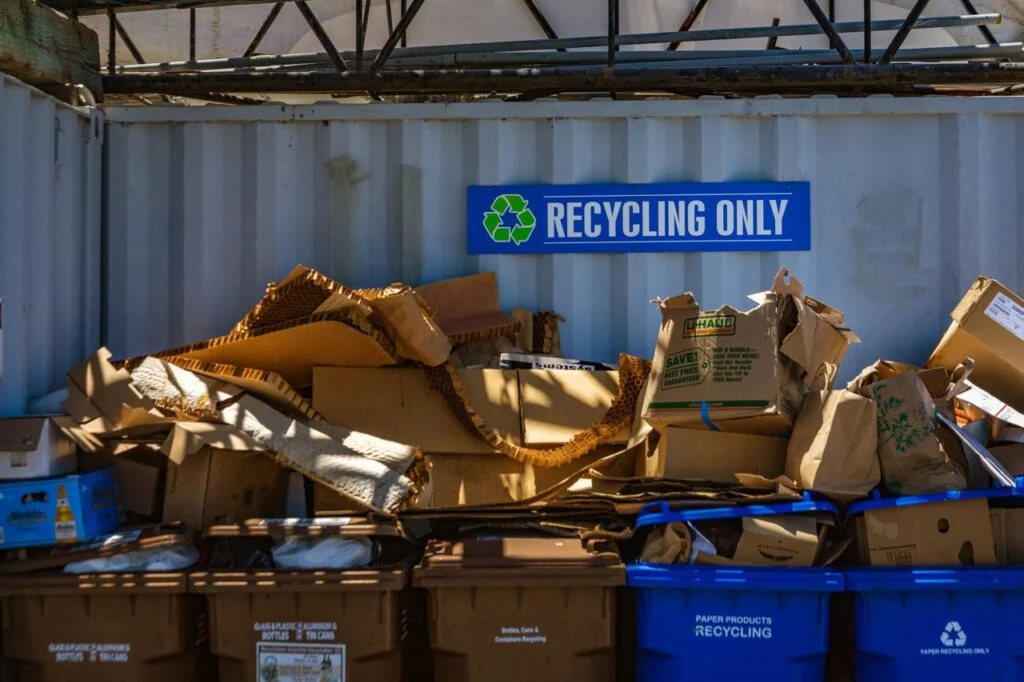
Goodwill Has Been Testing a Different Solution
In 2024, Goodwill announced plans for a multi-year textile recycling initiative with textile regeneration company Reju, working in collaboration with WM. The idea is to use each organization’s existing expertise to build a regional system for collecting, sorting, reusing, and ultimately recycling more textiles.
The project builds on something Goodwill already does at scale: collect and sort used goods. Instead of creating an entirely new collection network for unwanted clothing, the initiative looks at whether the thrift-store infrastructure people already use could also play a larger role in textile recycling.
Related: 18 Things Goodwill Gets Way Too Many Of
The Wearable Clothes Still Stay in the Resale Stream
The recycling initiative isn’t meant to take perfectly wearable clothing off thrift-store racks. Goodwill employees sort and grade textiles, with items suitable for resale continuing through the organization’s existing retail system.
That’s an important distinction. The goal is to reuse clothing when possible and find another option for textiles that no longer make sense to sell.
The Worn-Out Stuff Could Become Raw Material
The more interesting part happens with textiles that aren’t suitable for resale. Under the planned collaboration, a portion of that material is expected to eventually go to Reju, which specializes in textile-to-textile regeneration.
Instead of trying to find someone willing to wear a worn-out garment, the material could become feedstock for something new. As Goodwill of the Finger Lakes CEO Jennifer Lake explained to Resource Recycling, the broader idea is for clothing to move through reuse and repair before recycling is considered for textiles that have reached the end of their wearable life.
Goodwill Had Already Been Experimenting With Textile Recycling
The Reju and WM collaboration wasn’t Goodwill’s first attempt to figure out what to do with unsellable clothing. An earlier two-year textile circularity project involved 25 local Goodwill organizations and created four regional hubs where post-retail textiles were sorted into reusable and nonreusable material.
The project also examined the fiber composition of textiles that had reached the end of their reusable lifespan. Goodwill reported that approximately 60% of the material studied was compatible with existing recycling technologies, including cotton, polyester, and cotton-polyester blends.
Related: How to Recycle Textiles: 16 Brands That Recycle Clothes
Recycling Clothes Isn’t as Simple as Tossing Them in a Bin
One reason textile recycling remains challenging is that clothing can contain several different materials. A single garment might combine cotton, polyester, elastic, buttons, zippers, coatings, and other components that aren’t necessarily easy to separate.
Lake raised this issue in her interview with Resource Recycling, pointing specifically to difficult fabric blends and the need for clothing manufacturers to consider recyclability when products are first designed. In other words, what happens to a shirt at the end of its life can partly depend on decisions made before that shirt ever reaches a store.
Goodwill’s Donation Network Could Become Part of the Solution
Goodwill already has something a new textile recycling program would otherwise have to build: places where millions of people are accustomed to taking unwanted clothing. That’s one reason the organization’s existing infrastructure could help collect material that might eventually enter recycling streams.
The 2024 collaboration specifically explored how that collection and sorting network could work alongside WM’s waste-management infrastructure and Reju’s textile recycling technology. It was designed as a model that could potentially be expanded, rather than a recycling system already operating at every Goodwill location.
So, Does Anything Actually Become Trash?
Goodwill’s recycling efforts shouldn’t be interpreted as meaning every donated item can be saved from disposal. Recycling options depend on the material, its condition, available technology, local infrastructure, and whether a viable market or recovery option exists.
But considerably more happens between “didn’t sell” and “went in the trash” than many donors realize. Goodwill says goods that don’t sell through its retail channels are sorted for options that can include reuse markets, recycling, downcycling, or export.