
Bank fees can be easy to miss, especially when they’re only a few dollars at a time. A $5 charge here or a $10 deduction there might not seem like much, but those amounts can add up over several months.
Some fees depend on how you use your account, while others depend on your bank’s rules or the type of account you have. Knowing what to look for can help you avoid unnecessary charges and keep more of your money.
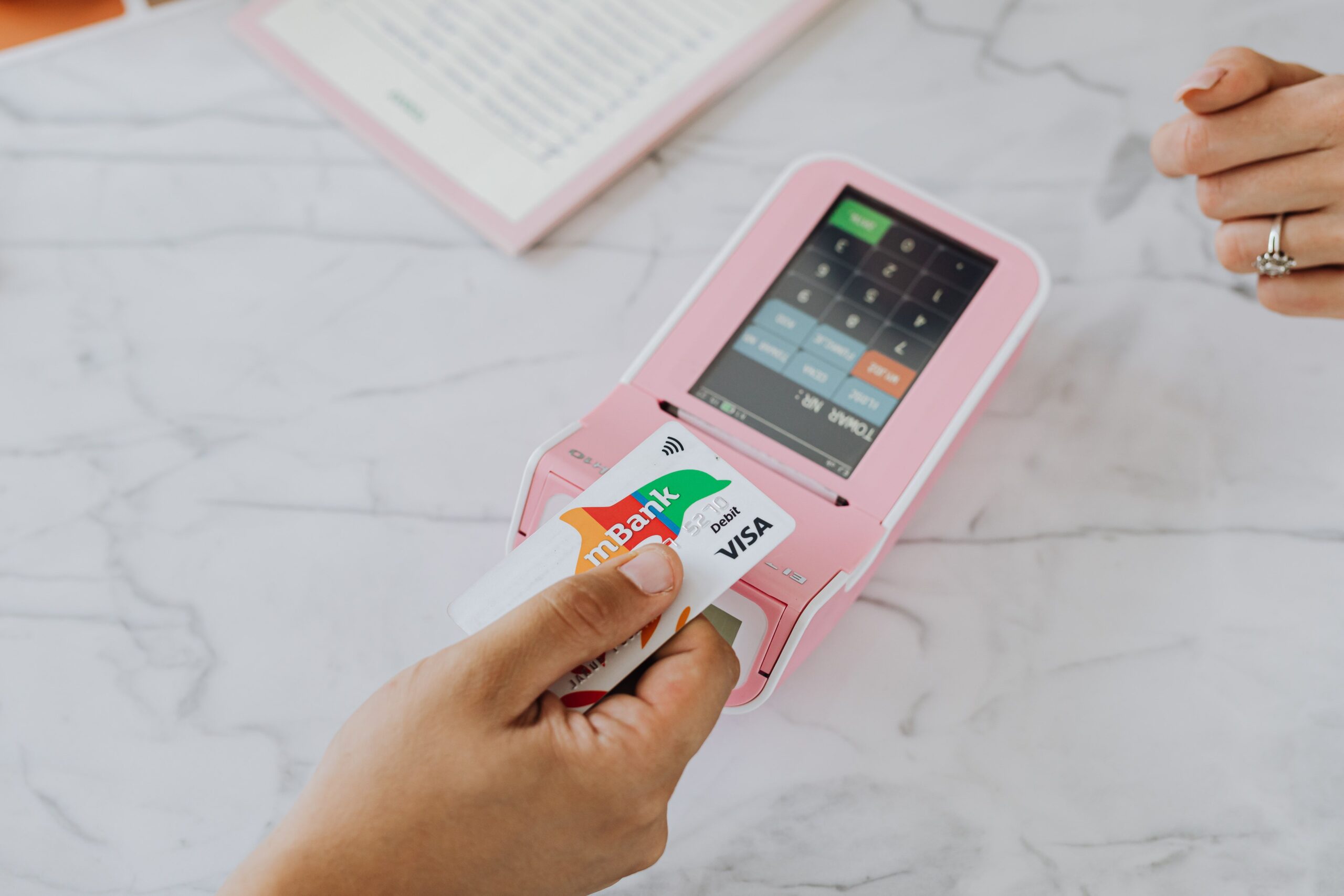
Monthly Maintenance Fees
Some checking and savings accounts come with a monthly fee unless you meet certain conditions. Your bank might require a minimum balance, qualifying direct deposits, or a specific number of transactions to waive the charge.
If you miss those requirements, the fee can show up on your statement every month. Check your account terms to see what you need to do to keep the account free.
Overdraft Fees
An overdraft fee can catch you off guard when a payment or purchase goes through even though you don’t have enough money in your account. A single transaction could end up costing more than you expected once the bank adds its fee.
Low-balance alerts can help you keep track of your available money before making purchases. It’s also worth checking whether your bank offers overdraft protection and what it charges for the service.
Out-of-Network ATM Fees
Using an ATM outside your bank’s network can cost you extra money. The ATM operator may charge a fee, and your own bank might add another charge for the same withdrawal.
Check your bank’s ATM locator before taking out cash. Some banks also reimburse certain ATM fees, so look at your account benefits to see if yours does.
Paper Statement Fees
Some banks charge customers for receiving monthly statements through the mail. The fee may be small, but it can become another recurring expense if you keep receiving printed copies.
If you don’t need paper statements, check whether your bank offers free electronic versions. You can usually view and download them through your online banking account.
Wire Transfer Fees
Sending money through a wire transfer can come with a fee, particularly for international payments. Depending on your bank, you may also be charged to receive a wire transfer.
Before sending money, check the total cost and see if another payment method will work. ACH transfers, for example, may be cheaper for certain payments, although they can take longer to process.
Minimum Balance Fees
Some bank accounts require you to keep a certain amount of money in them to avoid monthly charges. If your balance drops below that limit, the bank may charge you a fee for that billing period.
Check the minimum balance rules for your account and see whether there’s a lower-cost option. If you regularly struggle to maintain the required amount, switching accounts may save you money.
Foreign Transaction Fees
Some credit and debit cards charge a fee for purchases processed in a foreign currency or through an overseas merchant. This means you could see the charge even if you shop online from home rather than traveling abroad.
Check your card’s fee schedule before making international purchases or booking a trip. If you travel often or shop from overseas retailers, a card with no foreign transaction fees could be a better fit.
Inactivity Fees
Some financial institutions charge fees when certain accounts go unused for an extended period. This can be easy to miss if you’ve opened an account for a specific reason and haven’t checked it in months or years.
Review old bank accounts and other financial products from time to time. If you no longer need an account, check the closing requirements and any remaining balance before deciding what to do with it.