Most homes don’t get cluttered all at once. It happens gradually: a new shirt goes into the closet, another kitchen gadget gets squeezed into a cabinet, and random items end up in a drawer because there’s no time to put them away properly.
After a while, those little additions start taking up more room than you realize. Drawers become difficult to close, closets are packed with clothes you rarely wear, and finding something in a cabinet means moving several other things first.
If your home feels crowded or takes longer to tidy than it used to, here are some signs that your belongings may be taking up more space than they need.
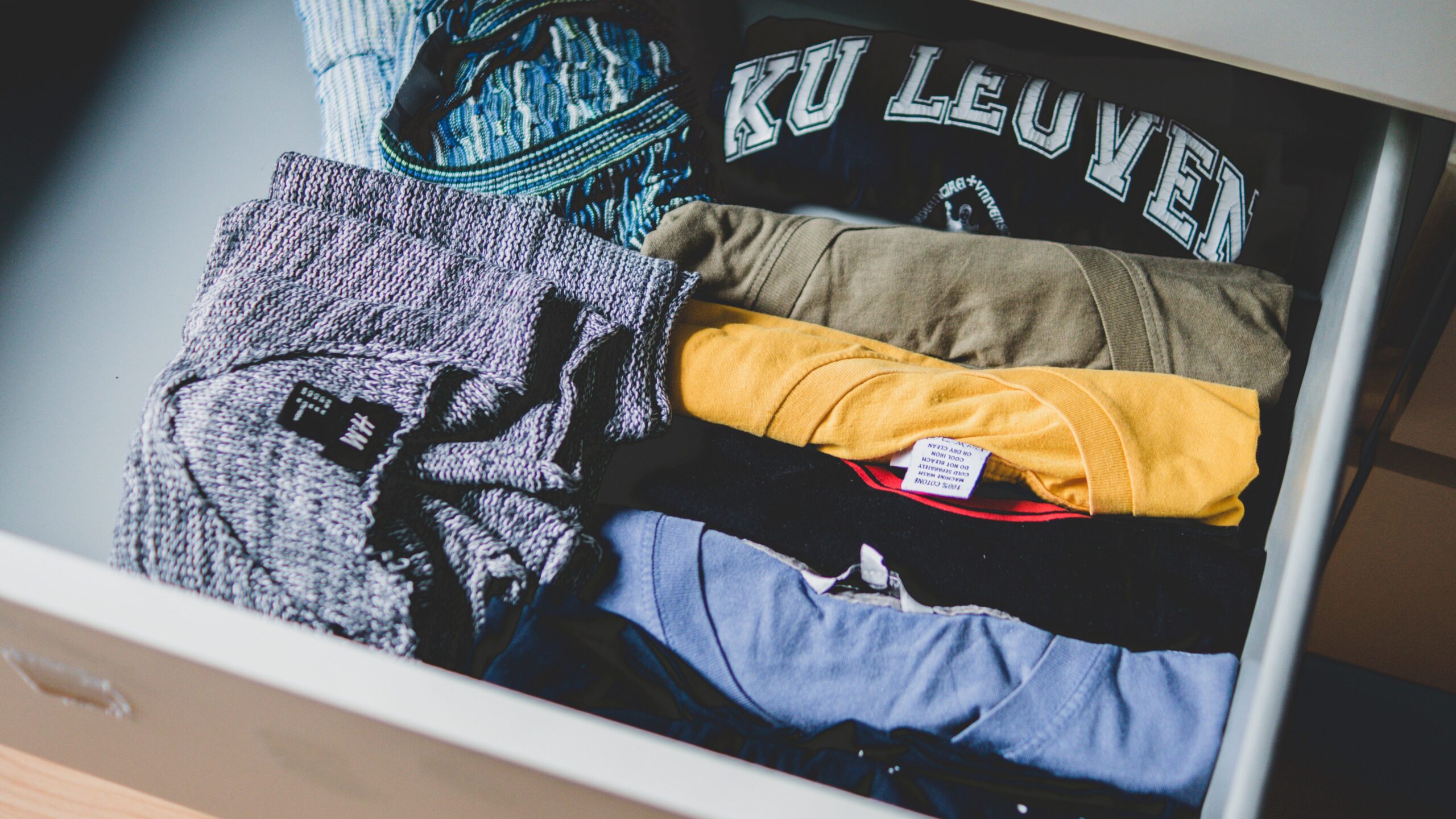
Your Drawers Barely Close
If you have to push down on a drawer to get it shut, there’s probably too much inside. Items get buried, tangled, or shoved toward the back, making it harder to find what you need.
A drawer should make everyday tasks easier, not leave you struggling every time you open or close it.
Your Closet Is Packed, but You Keep Wearing the Same Clothes
A packed closet can still leave you feeling like you have nothing to wear. When clothes are crammed together, it’s easy to forget what you own and reach for the same few outfits every week.
Look through your clothes and you might find pieces with tags still attached, items you forgot about, or outfits you haven’t worn in years.
You Keep Buying More Storage Bins
Storage bins are handy, but buying more every time your belongings stop fitting can lead to an even bigger storage problem. If your closets, basement, garage, and cabinets are already full of overflowing containers, it’s probably time to sort through what’s inside.
You may need to get rid of some things rather than find another place to store them.
You Own Several Versions of the Same Thing
It’s easy to end up with several pairs of scissors, extra phone chargers, multiple can openers, or more reusable shopping bags than you’ll ever use. Sometimes you buy another one because the original is buried somewhere in a crowded drawer.
Clearing out duplicates can free up room and save you from buying things you already have.
Your Flat Surfaces Are Always Covered
Take a look at your kitchen counters, dining table, coffee table, dresser, and entryway. If there’s barely any empty space left, your cabinets and drawers may be too full to hold the things that belong there.
Once storage spaces run out of room, everyday belongings tend to collect on whatever surface is available.
Cleaning Takes Much Longer Than It Used To
Wiping down an empty counter takes very little time, but cleaning one covered in mail, appliances, and random belongings is a different story. You have to move everything before you can wipe, dust, or vacuum the area.
If cleaning feels like a constant game of moving things from one spot to another, clutter may be part of the problem.
You Are Always Looking for Things
If you’re regularly searching for your keys, phone charger, scissors, or other everyday items, your storage spaces may be too crowded. Things get buried under other belongings or placed wherever there’s a little room because their usual spots are already full.
Clearing out unnecessary items can make it easier to give everything you use a proper place.
Your Garage Has Become a Storage Room
A garage should have room for your car, tools, outdoor equipment, and other things you need to keep there. If boxes, old furniture, holiday decorations, toys, and unused appliances have taken over, it’s probably time to sort through them.
If your car has been parked outside for years because there’s no room in the garage, the clutter has gotten out of hand.
You Have a Catch-All Spot in Every Room
Having one junk drawer is pretty common, but a junk drawer, basket, shelf, and corner in every room can be a sign of too much stuff. These spots often start with one or two items that don’t have a proper home, then slowly fill up with everything else.
Before long, temporary drop-off spots become permanent clutter piles.
Your Home Still Looks Cluttered After You Clean
A home can be clean and still look messy if every shelf, counter, and table is covered with belongings. You might spend an afternoon cleaning, only to find that the rooms still feel crowded.
Sometimes the issue isn’t dirt or dust but the amount of stuff taking up your space.
You Keep Things “Just in Case”
Keeping a few spare items can be useful, but it’s easy to take this too far. Old cords, clothes that no longer fit, duplicate containers, outdated electronics, and supplies for hobbies you no longer enjoy can sit around for years without being used.
Ask yourself when you last needed each item and whether you would actually miss it if it were gone.
You Keep Shopping Without Getting Rid of Anything
New clothes, home décor, kitchen gadgets, and other purchases keep coming in, but very little ever leaves. Over time, your cabinets and closets become packed because you’re adding more belongings without making room for them.
You don’t have to get rid of something every time you buy something new, but regular cleanouts can keep your home from becoming overcrowded.
Being at Home Feels Mentally Draining
Walking into a cluttered room can make you think about all the things you still need to put away, sort, or clean. Instead of feeling relaxed at home, you may find yourself noticing another pile or unfinished task in every direction.
Clearing some of that clutter can make your rooms feel more comfortable and give you fewer things to worry about.
Related: 12 Things You Should Declutter Now So Your Children Don’t Have To Later
You’re Paying for a Storage Unit
A storage unit can be helpful during a move, renovation, or major life change. But if you’re paying a monthly fee to keep belongings you rarely use, it’s worth taking a look at what’s inside.
Some items may have been sitting there for years without being missed, and the rental fees can add up over time.
You Find Things You Forgot You Owned
Finding three unopened bottles of the same product in one cabinet is a pretty clear sign that your storage spaces are too full. The same thing can happen with clothes, books, toys, kitchen supplies, and household products.
When items get buried and forgotten, you may end up buying replacements even though you already have what you need.
You Organize Constantly, but the Mess Always Returns
If you spend an entire Saturday organizing your closet only to find it crowded again a couple of weeks later, the problem may be the amount of stuff you’re keeping. Your shelves, drawers, and cabinets can only hold so much before they become difficult to manage.
No number of baskets, labels, or organizers can fix an overcrowded space on its own. Sometimes the best way to keep things tidy is to clear out what you no longer use.