A home can start feeling cramped without anyone really noticing how it happened. One day, there’s room to move around comfortably, and before long, the closets are overflowing, kitchen cabinets are packed, and every corner seems to have something sitting in it.
It’s easy to think you need a bigger house when there’s barely any room left for anything. But sometimes, the problem isn’t the size of your home. It’s how much stuff you’ve managed to squeeze into it over the years.
Furniture, clothes, kitchen gadgets, decorations, and things kept for “someday” can take up more room than you realize. Clearing out a few rarely used items can make your home feel more open without the expense of moving or adding more storage.
Here are some things worth reconsidering if your house always feels too crowded.
1. Oversized Furniture
A large sectional, bulky dresser, oversized coffee table, or heavy armoire can take over a small room. Even if everything fits, there may be very little space left to walk around comfortably.
Smaller furniture, apartment-sized pieces, or designs with exposed legs can make a room feel more open. Sometimes replacing just one oversized piece can make a bigger difference than rearranging the entire room.
Related: 10 Places That Will Take Your Furniture Donations
2. Dining Tables That Rarely Get Used
A large dining table with six or eight chairs can take up a surprising amount of room, especially if your family usually eats at the kitchen counter or in the living room. The extra seating may sit empty for months between family gatherings.
If you rarely use the table, a smaller or expandable version might make more sense. Folding tables are another option if you only need extra seating when guests come over.
3. Too Many Books
Books can make a home feel cozy, but a collection that’s grown over several years can quickly fill shelves, cabinets, and spare corners. Some books may have been read once and haven’t been touched since.
Keep the ones you love or plan to read again, and consider donating the rest to a library, school, or community group. If you enjoy reading but don’t need physical copies, e-books and audiobooks can also save plenty of shelf space.
4. Clothes That Never Get Worn
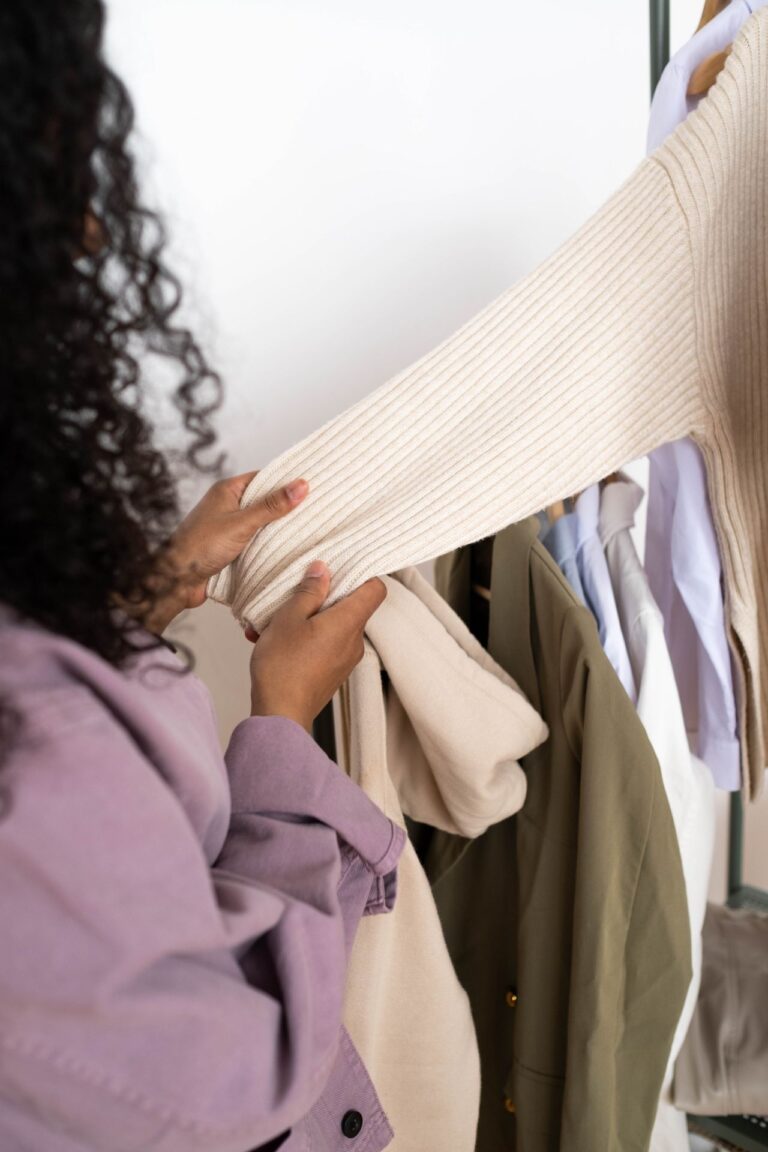
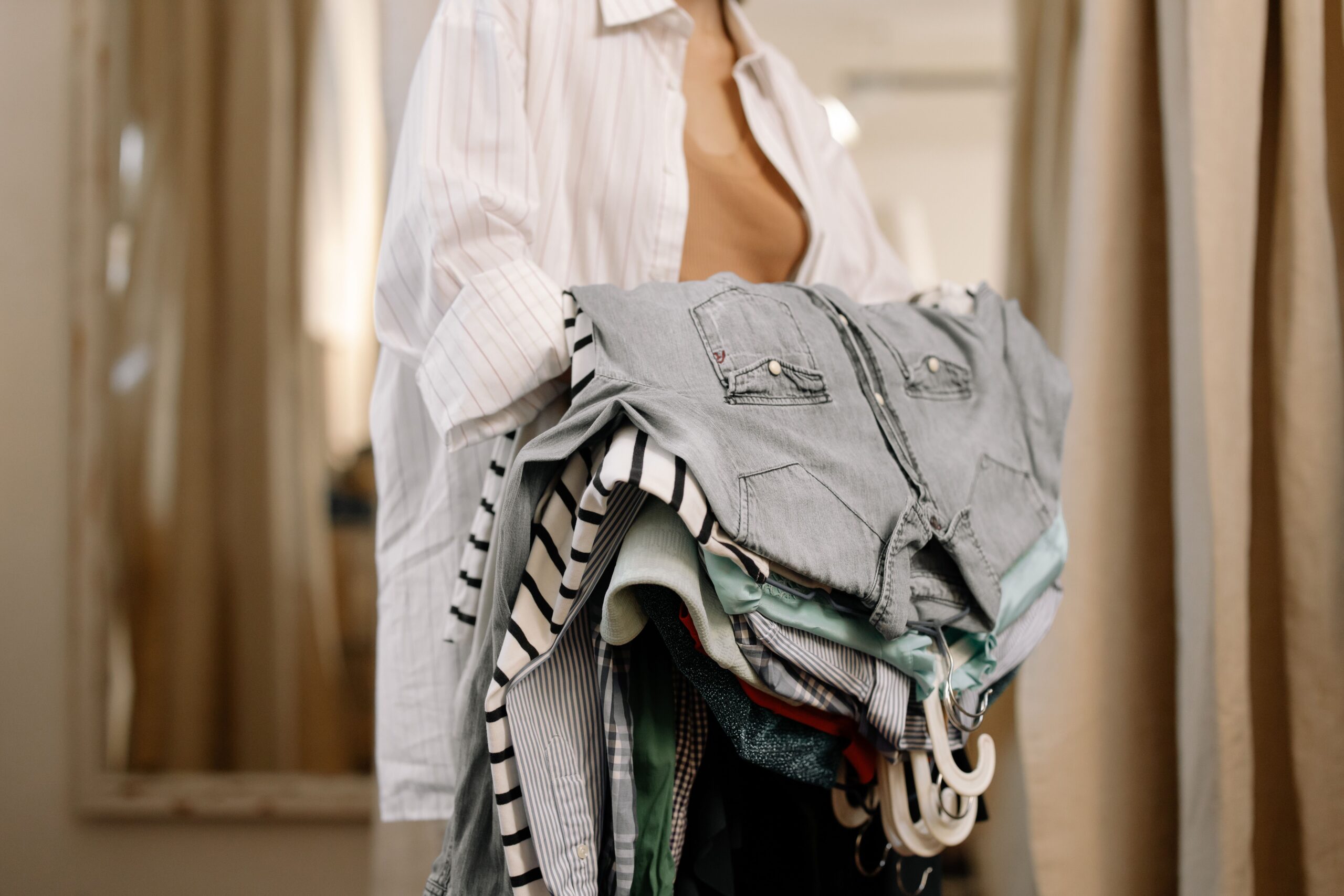
Closets tend to fill up one purchase at a time. Old jeans, shirts that no longer fit, clothes bought for special occasions, and items saved for a possible future outfit can leave very little room for the clothes you actually wear.
Go through your wardrobe and be honest about what still fits your life. Passing along clothes you haven’t worn in years can make getting dressed easier and leave your closet with much more room.
5. Extra Kitchen Gadgets
Kitchen cabinets can become crowded with bread makers, specialty appliances, duplicate utensils, and gadgets bought for recipes you rarely make. Before long, finding a regular cooking pan means moving several other things out of the way.
Keep the appliances and tools you use regularly, and let go of those that have been sitting untouched for years. You’ll have more room to cook, prepare meals, and put things away without struggling to close the cabinets.
6. Coffee Tables
A coffee table can be handy, but a large one may leave very little walking space in a small living room. It can also become a convenient dumping ground for mail, remote controls, cups, chargers, and other odds and ends.
A smaller table or a set of nesting tables may work better if you still need a place to set things down. Some living rooms can also get by just fine without a coffee table.
7. Bulky Bed Frames
A heavy bed frame with a thick headboard, wide base, and oversized footboard can take up much of a small bedroom. Add nightstands and dressers, and the room may start feeling crowded before you even bring in anything else.
A simpler bed frame can leave more visible floor space and make the bedroom feel less packed. If you’re short on room, a Murphy bed or a frame with useful under-bed storage may also be worth looking into.
8. Decorative Clutter
Decorations can make a house feel more personal, but covering every shelf, countertop, and tabletop can make rooms feel busy. It’s also harder to dust and clean when every surface has several things sitting on it.
Take a look at your decorations and keep the pieces that mean something to you or that you genuinely enjoy seeing. Leaving a little empty space around them can make your favorite items stand out without making the room feel bare.
9. Exercise Equipment You Never Use
That treadmill, stationary bike, or weight bench may have seemed like a great purchase at the time. But if it’s been sitting unused for years, it’s taking up valuable space that could serve another purpose.
Consider selling or donating equipment you no longer use. If you still want to exercise at home, a few resistance bands, dumbbells, or a foldable exercise mat may be enough for your routine.
10. Too Many Towels and Linens
Linen closets often become storage spots for more towels, sheets, and blankets than anyone needs. Some households keep several old sets simply because they might come in handy someday.
Keep enough clean linens for regular use and a reasonable backup supply for guests or laundry days. Donating extra towels and bedding can free up shelves for things that actually need storage.
11. Furniture That Serves Only One Purpose
In a small home, furniture that does more than one job can be especially useful. A storage ottoman can hold blankets while providing extra seating, and a sleeper sofa can give overnight guests a place to sleep without requiring a separate guest bedroom.
Look at the furniture you already own and see whether each piece earns the space it takes up. Replacing a few single-purpose items with pieces that have more than one use can make everyday living much easier.
12. Storage Bins Filled With “Just in Case” Items
Storage bins can make a room look organized, but they don’t always solve clutter. It’s easy to put things away because you might need them someday, then forget what’s inside the containers altogether.
Before buying more bins or shelves, open the ones you already have and sort through their contents. If something hasn’t been used in years and there’s no realistic reason to keep it, letting it go may be better than finding another place to store it.
13. Spare Guest Furniture
Having a guest room sounds lovely, but keeping an entire bedroom furnished for visitors who come once or twice a year may not make sense in a small home. A bed, dresser, nightstands, and extra chairs can take up space that could be used every day.
A sleeper sofa, foldable bed, or Murphy bed can give visitors somewhere comfortable to sleep without dedicating an entire room to occasional guests. The extra space can then serve as a home office, hobby room, or play area.
14. Furniture That Blocks Light and Walking Space
Sometimes a room feels smaller because of how the furniture is arranged, not how much furniture you own. A tall cabinet in front of a window, a sofa blocking a walkway, or a large entertainment center can make the space feel closed in.
Try moving pieces away from windows and keeping the main walking paths clear. Letting more natural light in and opening up the view across the space can make it feel noticeably less crowded.