I love finding something at Goodwill for a fraction of what I’d pay for it new. But I’ve also learned that a low price can make it surprisingly easy to talk myself into buying something I probably would have inspected much more carefully anywhere else.
These days, certain finds have to pass a few tests before they make it into my cart. I want to know that they’re in good condition, reasonably priced and actually usable; not something that’s going to turn into another project, another piece of clutter or a problem I bring home with me.
Clothing
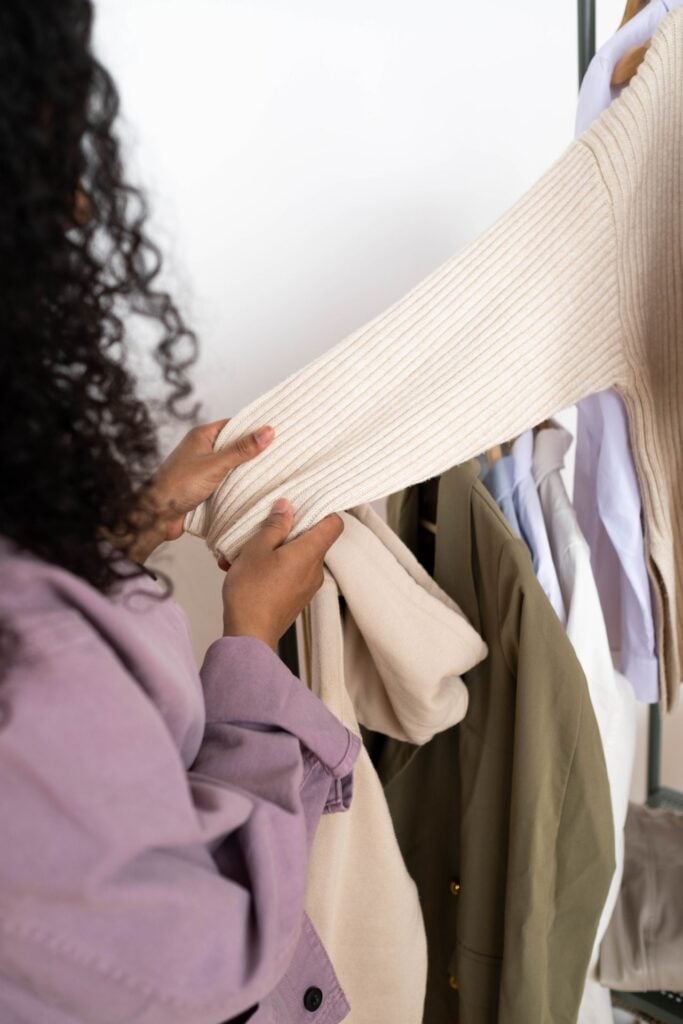
The first test is always condition. I check clothing for stains, holes, worn spots and loose seams, but I also look at zippers, buttons, linings and anything else that could turn a cheap piece of clothing into an expensive or time-consuming repair.
I also don’t trust the size printed on the tag. Clothes can shrink, stretch or be altered over time, and vintage sizing can be completely different from today’s sizing, so I’ll try something on when possible or go by measurements instead.
Upholstered furniture
A great chair for $20 can be incredibly tempting, but upholstered furniture gets a much more thorough inspection before I’m willing to bring it home. I look closely along seams, underneath cushions, and inside folds and crevices for stains, odors, and any signs of pests.
Bed bugs, cockroaches and other pests can hitchhike on secondhand furniture, and that’s one bargain I’m not willing to gamble on. If something looks questionable or can’t be thoroughly inspected and cleaned, it stays at the store.
Related: The One Thrift Store Item I Never Buy (And Why)
Electronics and small appliances
Electronics need to prove they actually work. If the store has an outlet or testing area, I’ll plug the item in and test as many functions as possible instead of assuming an $8 toaster or inexpensive lamp works because it looks fine.
I also inspect the cord, plug, switches and exterior for obvious damage and check whether any important pieces or attachments are missing. A cheap appliance isn’t much of a deal if it needs replacement parts or doesn’t turn on at all.
Shoes
Shoes can look almost new from the top while telling a completely different story underneath. I check the soles for uneven wear, cracks and excessive wear, then look inside for damaged lining or other signs that they’ve already had a lot of use.
They also need to be something I can properly clean before wearing. A recognizable brand or low price isn’t enough to convince me if the condition isn’t there.
Rugs
I won’t judge a secondhand rug solely by how it looks rolled up or folded on a shelf. It needs to be checked for stains, odors, worn areas and anything suspicious that could be hiding along the edges or backing.
I also think about cleaning before buying it. If professional cleaning would cost considerably more than the rug itself, or if there’s an odor I’m not confident I can remove, that inexpensive rug suddenly doesn’t feel like much of a bargain.
Purses and bags
Bags get checked inside and out. I look at the lining, pockets, seams, straps, handles and zippers because damage that’s barely noticeable on the shelf can become obvious once the bag is actually being used.
Luggage and fabric bags also get an extra inspection around seams, folds and hidden crevices for signs of pests. If I can’t inspect or clean it properly, I’m usually willing to leave it behind.
Cookware
Cookware has to be more than inexpensive. I check for cracks, chips, warping and other damage, paying especially close attention to nonstick cookware with scratched or heavily worn coatings.
This is also one category where I’ll compare the thrift-store price with the cost of buying something new. Secondhand doesn’t automatically mean cheaper, particularly when an item is a common, mass-produced product that’s frequently discounted at regular stores.
Toys, puzzles and games
The biggest question here is whether everything is actually included. A puzzle with three missing pieces or a board game without an important component can go from bargain to useless pretty quickly.
Whenever possible, I’ll check the contents before buying rather than trusting that a taped-up box is complete. Toys also get inspected for broken pieces, excessive wear and whether they’re something I can reasonably clean once they’re home.
Vintage finds
Finding something old can be exciting, but age alone isn’t enough to get it into my cart. I still look at condition, construction and price and ask myself whether I actually like the piece rather than getting distracted by the fact that it’s vintage.
Old doesn’t automatically mean rare, valuable or particularly well made. If the price seems high, I’ll usually do a quick search on my phone before buying rather than assuming the thrift store price must be a bargain.