Have you ever visited someone’s home and wondered how they manage to keep everything looking so neat? It might seem like they spend hours cleaning every day, but much of it comes down to something much simpler: they don’t hold on to as much stuff.
In a tidy home, unused items don’t sit for years, piling up in closets, drawers, and cabinets. People regularly sort through their belongings and let go of things they no longer need instead of finding another storage bin to squeeze everything into.
If your home feels crowded or you’re always struggling to put things away, it might be time to look at what’s taking up your space. These are some common items that people with tidy homes are often quick to clear out.
Duplicate Kitchen Tools
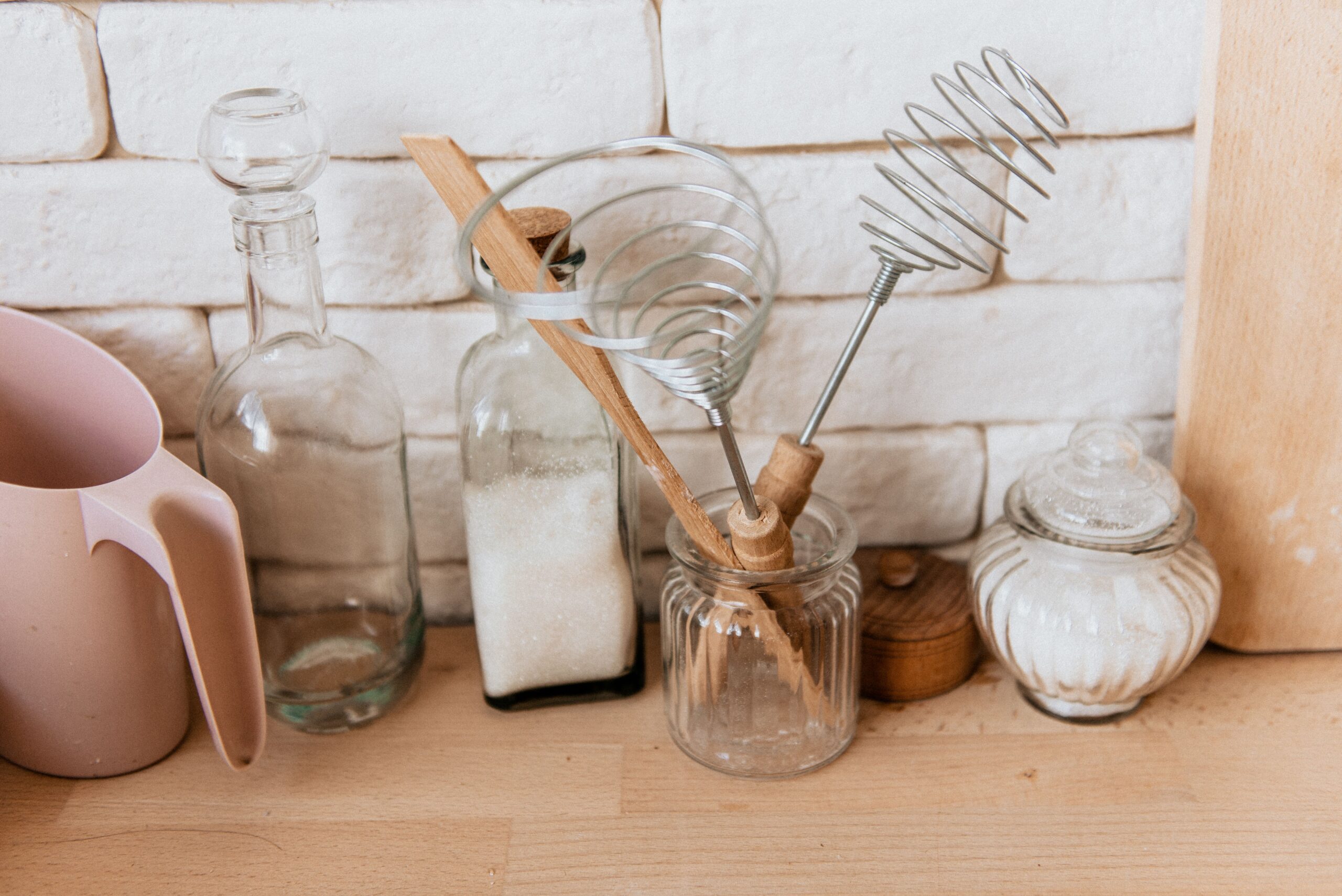
Kitchen drawers can fill up with several versions of the same utensil, from spatulas and peelers to can openers, measuring cups, and serving spoons. Most households only need a few reliable versions of each, so keep the ones you use most and donate the extras.
Old Magazines and Newspapers
It’s easy to hold on to a magazine because there’s a recipe you want to try, a decorating idea you like, or an article you haven’t had time to read. Before long, those issues start piling up on coffee tables, shelves, and countertops, so keep the pages you truly want and recycle the rest.
Excess Plastic Containers and Grocery Bags
The kitchen cabinet full of plastic containers can become a mess when there are more lids than matching containers. Keep a reasonable number of complete sets, and sort through reusable shopping bags and grocery bags before they take over another cabinet or drawer.
Local donation centers may accept extra containers in good condition, while unwanted plastic bags can often go to designated collection points. Check local recycling rules before putting either type of plastic in your curbside bin.
Clothing That No Longer Fits
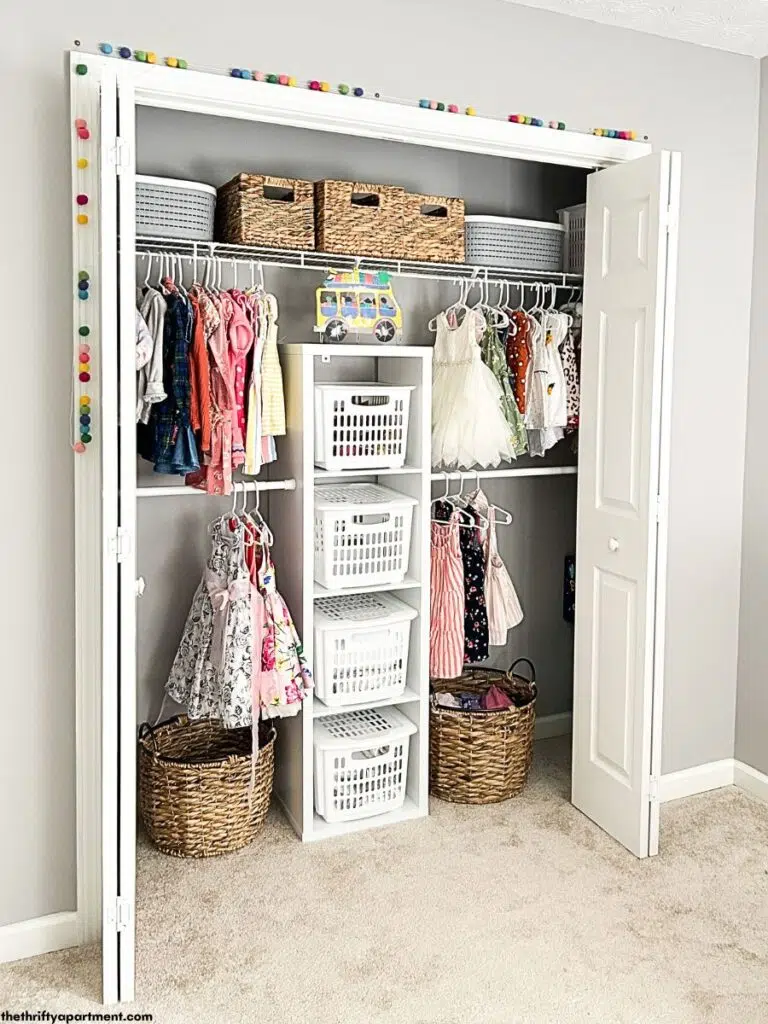
Many closets are packed with clothes that haven’t been worn in years, including jeans that no longer fit, dresses saved for an unlikely occasion, and shirts forgotten at the back. Keeping them around can make it harder to find the clothes you actually enjoy wearing.
People with tidy closets tend to focus on what fits their current lives. Sell, donate, or pass along pieces that no longer fit, feel comfortable, or suit your style, as long as they’re still in good condition.
Outdated Electronics and Mystery Cords
Almost every household has a drawer full of old chargers, unidentified cables, and accessories from electronics that are long gone. If you can’t remember what a cord belongs to and no longer own the device, there’s probably little reason to keep it.
Sort through the drawer and set aside the chargers and accessories you still use. Take old electronics and unwanted cables to an appropriate electronics recycling location instead of letting them sit in storage for another few years.
Related: 10 Things You Should Never Store Inside Your Home
Decorative Items That No Longer Fit Your Style
Decor tends to build up over time, from vacation souvenirs and gifts to seasonal decorations and small figurines. Before long, shelves, tables, and countertops can become crowded with things you don’t even particularly like anymore.
A tidy home doesn’t have to be bare or lack personality. Keep the decorations you genuinely enjoy and pass along the ones that no longer suit your taste or your space.
Junk Mail and Outdated Paperwork
A single envelope or receipt doesn’t seem like much clutter, but paper has a way of spreading across kitchen counters, desks, and entryway tables. Before you know it, you’re left with several piles to sort.
Make a habit of dealing with mail soon after it arrives. Recycle junk mail, file important documents, and shred paperwork containing personal information that you no longer need to keep.
Expired Pantry Items
Pantries can look perfectly neat while hiding old spices, stale snacks, expired mixes, and forgotten cans at the back of the shelves. Checking your food supplies every so often helps you spot items that need to go before they take up space for another year.
Move older food toward the front so it’s easier to see and use before buying more. Keeping only the ingredients and snacks your household actually eats also makes grocery shopping less wasteful.
Broken Items Waiting to Be Repaired
Most homes have a few broken belongings waiting for someone to fix them, such as a faulty lamp, a chair with a loose leg, or an appliance that hasn’t worked in years. The intention may be to repair them someday, but those projects can sit untouched for months.
Set a realistic deadline for fixing anything worth keeping. If the repair never happens or costs more than the item is worth, look into recycling or proper disposal rather than letting it take up space indefinitely.
A neat home doesn’t come from throwing away everything you own or spending every weekend cleaning. It often comes down to being more selective about what stays, clearing out things that no longer serve a purpose, and avoiding the habit of saving every little item just in case.