Painting the walls is one of the easiest ways to make a rental property feel more like home. Some landlords are perfectly fine with tenants changing the paint color, provided they return the walls to their original condition before moving out.
But what happens when neither the landlord nor the tenant remembers what that original color was?
A recent discussion highlighted this exact dilemma, leaving a tenant wondering how to fulfill their agreement without wasting time and money repainting the room twice.
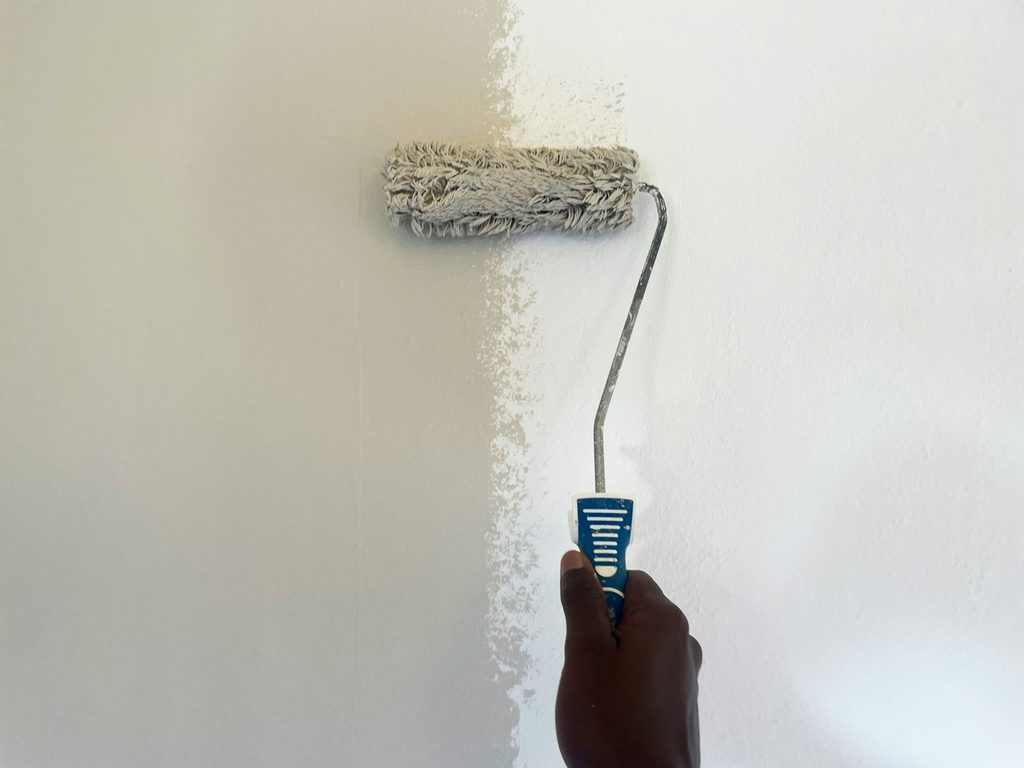
A simple paint makeover turns into a move-out dilemma
Two years ago, the tenant received permission from their landlord to paint the living room dark green. The only condition was that the tenant would return the walls to their original color before moving out.
Now, with their move-out date approaching, the tenant has discovered that nobody recorded the original paint color. The landlord remembers it being a light gray but cannot provide the exact shade.
The hallway still has the original paint, but years of sunlight exposure have left the tenant questioning whether it’s an accurate reference.
Getting the landlord’s approval could save time and money
Rather than spending hours trying to identify the original shade, the simplest solution might be to let the landlord choose a new one.
“If he can’t remember the exact color, just get a light gray color card or two, show him, and have him choose,” one Reddit commenter suggested.
Getting written approval before purchasing paint could prevent misunderstandings during the final inspection. It could also help protect the tenant from unnecessary expenses or potential disagreements over their security deposit.
One particular shade of gray kept coming up
Interestingly, one paint color was repeatedly recommended throughout the discussion: Sherwin-Williams’ Agreeable Gray (SW 7029).
The warm, neutral shade has become a familiar choice among homeowners, landlords, real estate agents, and house flippers because it works with a variety of flooring, furniture, and decorating styles.
“Our entire house is painted Agreeable Grey from when we bought and moved in 3.5 years ago,” one homeowner shared, explaining that they hadn’t felt the need to repaint most of their living areas.
Of course, there’s no guarantee that Agreeable Gray was the original color in the rental, but it could be a reasonable alternative if the landlord approves.
There are ways to identify an existing paint color
Finding the original paint color isn’t necessarily impossible. Leftover paint cans may still be sitting in a garage, basement, or utility closet, and some paint stores maintain purchase records that could help identify the original shade.
Areas of the wall protected from sunlight, such as behind decorative fixtures or inside closets, may also provide a better indication of the original color.
Another option is to take a small paint sample, with the landlord’s permission, to a home improvement store that offers computerized color matching. However, matching the hallway’s current color may make more sense than trying to recreate a shade that has changed over time.
Painting over a dark color presents another challenge
Finding the right shade of gray is only part of the problem. Covering dark green walls with a much lighter color can require additional preparation, paint, and labor.
Using a quality primer before applying the lighter paint can help conceal the existing color and reduce the number of coats needed. Skipping this step could let the green show through, resulting in an uneven finish and extra trips to the paint store.
It’s an expense renters should consider before choosing particularly dark or bold paint colors.
A lesson for renters and landlords alike
Something as simple as taking a picture of the original paint can or recording the brand, color name, color code, and finish could have prevented this entire situation.
Renters should also document the property’s original condition and keep written records of any approved changes. Landlords, meanwhile, can make future maintenance easier by keeping a record of the paint colors used throughout their properties.
A few minutes of documentation before starting a home improvement project could save both parties considerable time, money, and frustration when it’s time to move out.
Other Posts You Might Like
- 10 Apartment Upgrades You Can Do Without Angering Your Landlord
- Homeowners Are Refusing to Sell—And Are Becoming “Accidental Landlords” Instead
- 14 Things Landlords Hate Finding Inside Your Home (It Could Cost You Your Security Deposit)
- This Donation Center Will Come to Your Home and Pick Up Donations for Free