

Most landlords aren’t concerned with your decorating style, furniture choices, or whether your throw pillows match your curtains. What they do notice are signs of damage, safety hazards, maintenance issues, and anything that could lead to costly repairs down the road.
While routine wear and tear is expected, certain problems can raise red flags during inspections. Here are 15 things landlords never like seeing inside a rental property.
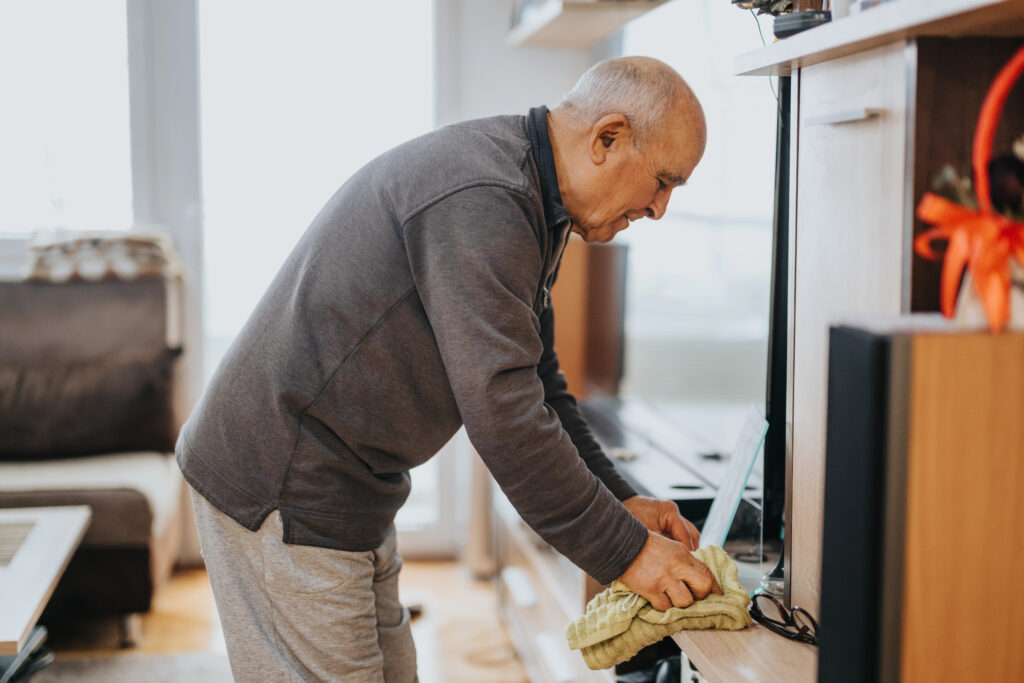
1. Unidentified Stains, Residue, or Mystery Messes
Sticky surfaces, strange stains, grease buildup, and unidentified residue often require professional cleaning to remove. These types of messes not only make a property harder to turn over for the next tenant but can also result in deductions from a security deposit.
2. Mold Growing on Walls or Ceilings
Mold is one of the biggest concerns for landlords because it can spread quickly and become expensive to remove. It may also signal a larger issue, such as a hidden leak, poor ventilation, or excess moisture that needs immediate attention.
Related: 6 Effective Ways to Clean Mold from Shower Caulk and Grout
3. Pest Infestations
Whether it’s ants, cockroaches, mice, or flies, pests can quickly become a building-wide problem if left untreated. Even a minor infestation can lead to property damage, complaints from neighboring tenants, and costly extermination services.
4. Overflowing Trash and Food Waste
Trash that isn’t regularly disposed of can attract insects and rodents and create unpleasant odors. What starts as a small housekeeping issue can quickly turn into a sanitation problem that affects the entire property.
5. Water Stains on Ceilings or Walls
Brown spots and water stains are often warning signs of roof leaks, plumbing problems, or hidden moisture damage. Reporting them early can prevent minor issues from turning into major structural repairs.
6. Sagging Ceilings
A sagging ceiling is never something a landlord wants to discover during an inspection. It can indicate significant water damage, structural concerns, or a leak that has been developing for months without being reported.
7. Dripping Faucets and Running Toilets
A constantly dripping faucet or running toilet may seem minor, but it can waste thousands of gallons of water over time. Left unresolved, these issues can increase utility costs and sometimes lead to larger plumbing problems.
Related: Surprising Facts About Toilet Paper Most People Never Learn
8. Blocked or Slow Drains
Kitchen sinks, bathroom drains, and garbage disposals can become clogged when grease, food scraps, hair, or other debris build up over time. Severe blockages often require professional plumbing services, which can be costly if the problem was preventable.
9. Space Heaters
Portable space heaters are a common concern because they are one of the leading causes of residential fires. Landlords worry about heaters being left unattended, placed too close to furniture, or plugged into unsafe extension cords.
10. Dirty or Neglected Refrigerators
A refrigerator filled with spoiled food, spills, and grime can create odors and attract pests. Landlords often view an extremely dirty refrigerator as a sign that other areas of the home may not be receiving proper care either.
11. Strong Pet Odors
Pets themselves usually aren’t the issue; lingering odors, stains, and damage are. Strong smells from litter boxes, pet accidents, or neglected pet areas can be difficult and expensive to remove once a tenant moves out.
Related: Keep The Pet, Not The Odor: 20 Ways To Reduce Pet Smells In Your House
12. Indoor Smoking Damage
Smoke odors can seep into walls, ceilings, carpets, and ventilation systems. Removing the smell often requires deep cleaning, sealing surfaces, repainting, and sometimes replacing flooring or window coverings.
13. Broken Cabinets, Doors, or Fixtures
Every day wear and tear is expected, but broken cabinet doors, damaged countertops, missing hardware, and cracked fixtures are another story. Unreported damage often becomes worse over time and can lead to more extensive repairs.
14. Large Holes or Unauthorized Installations
Mounting televisions, hanging heavy shelves, or installing items that require drilling into walls, ceilings, or floors can cause significant damage. Landlords are especially concerned when modifications are made without approval or violate lease agreements.






Landlord here rents out apartments in these conditions. They don’t clean them nor do they fix things.