Flying can wear anyone down. Between traffic, crowded terminals, long security lines, delayed flights, and the rush to catch a connection, many passengers reach the gate already tired and frustrated.
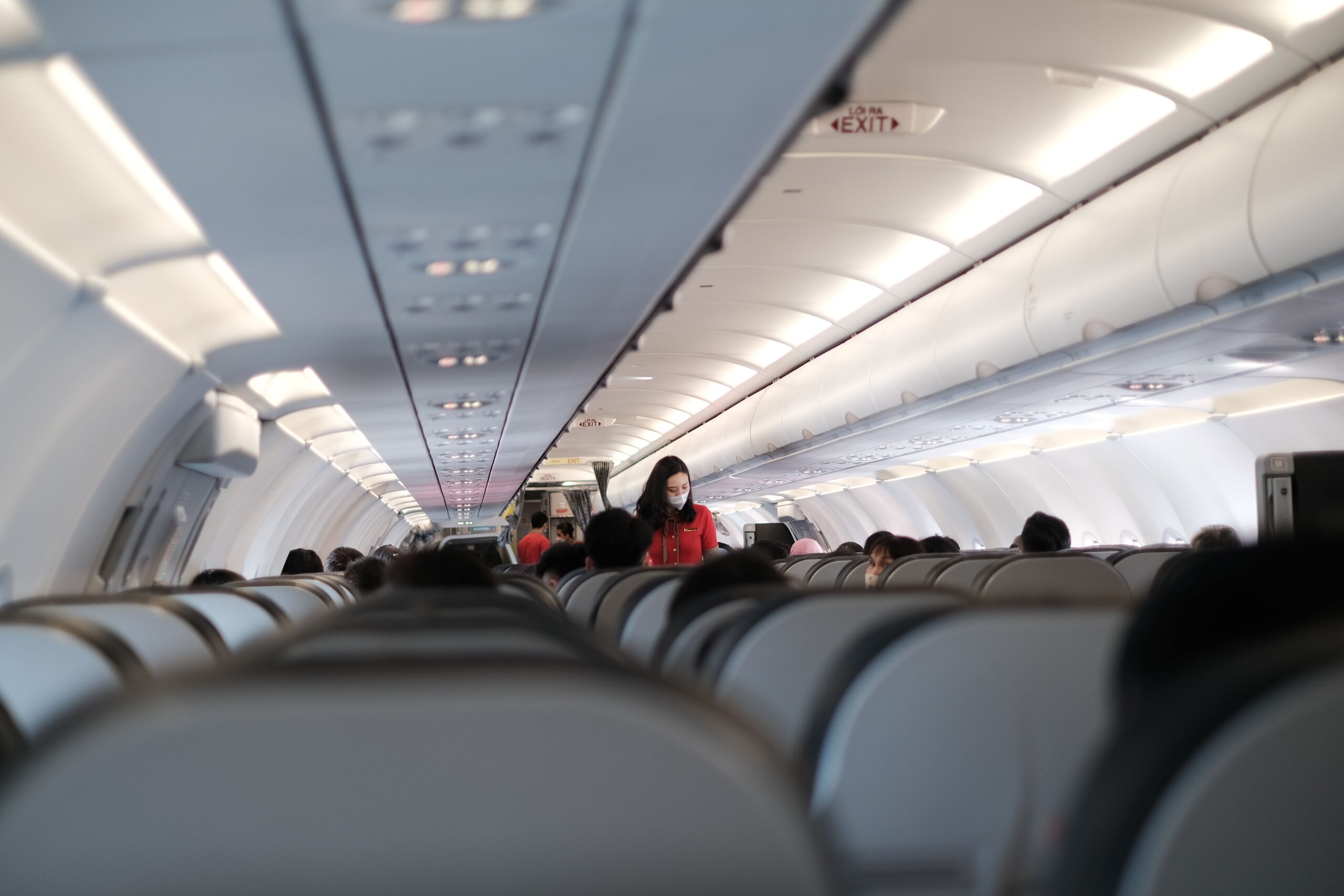
Flight attendants see these situations every day, and they often get their first impression of passengers during boarding. The way someone speaks to the crew, treats other travelers, and responds to basic instructions can give them an idea of what to expect during the flight.
Of course, one bad moment doesn’t automatically make someone a difficult passenger. Travel can be stressful, and even the most patient person can have an off day. Still, certain habits tend to catch the crew’s attention before the plane even leaves the gate.
Rushing Down the Jet Bridge
Most passengers want to get to their seats quickly, especially after a long wait at the gate. But someone who arrives visibly angry, pushes past others, or starts demanding answers before boarding is even finished can make things tense right away.
Flight attendants may take notice of that behavior because they’ll likely be interacting with the same passenger throughout the flight. A little patience during boarding can make things easier for everyone.
Ignoring the Crew During Boarding
Flight attendants often greet passengers as they enter the aircraft, and a quick hello or friendly acknowledgment can make the interaction more pleasant. Walking past without saying anything isn’t a problem on its own, since some people are tired, distracted, or simply focused on finding their seats.
Repeatedly ignoring crew members or responding rudely to simple questions is a different matter. Those interactions can give flight attendants an early sign that a passenger may be difficult to work with.
Related: 16 Things Flight Attendants Wish You’d Stop Doing on the Plane
Forgetting Basic Courtesy
Flight attendants spend much of their shift helping passengers, answering questions, handling requests, and keeping the cabin running smoothly. A simple “please” or “thank you” can make those everyday interactions much more pleasant.
Passengers who snap at crew members, interrupt them, or act as if they’re entitled to special treatment can leave a poor first impression. Being polite doesn’t take much effort, but it can make a difference during a busy flight.
Boarding While Clearly Intoxicated
Having a drink at the airport before a flight isn’t unusual, but boarding while visibly intoxicated can raise concerns. Flight attendants need passengers to be alert enough to follow safety instructions and behave appropriately during the flight.
Someone who is already loud, unsteady, argumentative, or disruptive may become harder to manage once the aircraft is in the air. Crew members may also need to assess whether the person is fit to travel safely.
Starting Arguments Over Seating Assignments
Seat mix-ups happen, and not everyone gets to sit beside their travel companion. Most of these problems can be sorted out with a quick conversation, but things can get uncomfortable when a passenger refuses to accept their assigned seat or starts arguing with another traveler.
Flight attendants have to keep boarding moving while handling these disputes. Turning a simple seating issue into a confrontation can delay everyone and put the crew in an awkward position.
Blocking the Aisle While Organizing Belongings
It takes a little time to put away a carry-on and get settled, but holding up the aisle for several minutes can frustrate the people waiting behind you. Some passengers stop to unpack their bags, search for headphones, or move belongings between compartments while others try to reach their seats.
It’s easier to keep anything you’ll need during the flight within reach before boarding. Once you’re seated, you can take your time sorting through the rest of your belongings without blocking the aisle.
Refusing to Follow Simple Instructions
Flight attendants give instructions throughout boarding, and many relate to passenger safety. Refusing to move a bag, ignoring seating directions, or arguing over basic procedures can quickly create problems for the crew.
Passengers can ask questions or raise concerns if something doesn’t seem right. What matters is whether they listen and cooperate after a crew member explains what needs to be done.
Playing Audio on Speaker
A crowded airplane cabin is already full of background noise, so the last thing nearby passengers need is someone playing videos or music through a phone speaker. Loud phone calls during boarding can be just as irritating, especially when people are trying to settle in.
Using headphones is a simple way to keep your entertainment to yourself. It also shows consideration for the people sitting around you.
Constantly Complaining Before the Flight Even Begins
A flight may not go exactly as planned, and passengers can run into plenty of small annoyances before takeoff. The seat may not be what they expected, the overhead bins may be full, or boarding may be taking longer than usual.
Flight attendants may notice passengers who complain about every little thing as soon as they step aboard. A traveler already arguing about the gate, luggage, seating, and boarding process may keep raising issues throughout the flight.
Treating Flight Attendants Like Personal Assistants
Flight attendants do much more than serve drinks and snacks, and their main responsibility is keeping passengers safe. They also help with questions, special requests, and the many things that come up during a flight.
Snapping fingers, demanding attention while a crew member is helping someone else, or expecting constant personal service can make their work harder. There’s nothing wrong with asking for help, but speaking politely and respecting their time goes a long way.
Other Topics You Might Like
- Forget Flying: Americans Are Hitting the Road for the Holidays— And Their Reasons Make Sense
- Before You Use Water on a Plane, Here’s What Experts Want You to Know
- Rising costs are forcing Californians to pack up and leave—Here’s where they’re going
- 8 Things You Used to Get for Free That Somehow Cost Money Now