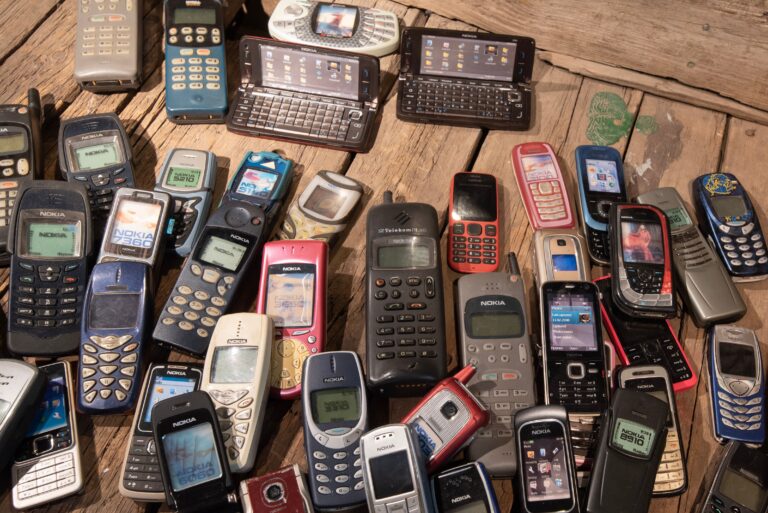
Imagine waking up tomorrow morning with no electricity and being told it could take three days for the power to come back on. Would you have everything you need to feed your family, keep your phones charged, and safely get through the next 72 hours without making a trip to the store?
Between severe winter storms, hurricanes, wildfires, and aging infrastructure, extended power outages are a possibility no matter where you live. The federal government’s Ready.gov emergency preparedness guidelines encourage households to keep enough essential supplies to last several days.
Fortunately, many of the things you’ll need are relatively inexpensive, and you may already have some of them at home. Here are 15 emergency essentials worth having before the next major power outage.
Drinking Water
Don’t assume your faucets will continue working simply because the problem is electrical. The CDC recommends storing at least one gallon of water per person per day, so a family of four should have at least 12 gallons for a 72-hour emergency. Remember to account for pets and anyone with additional medical needs.
Ready-to-Eat Nonperishable Food
Focus on foods you can eat without electricity, refrigeration, or cooking, such as canned tuna, crackers, peanut butter, canned fruit, and shelf-stable milk. Keep enough to feed everyone in your household for at least three days, and prioritize foods your family already enjoys eating.
Related: People Are Leaving Food Banks Without Enough Food, but Not for the Reason You’d Expect
Battery-Powered or Hand-Crank Radio
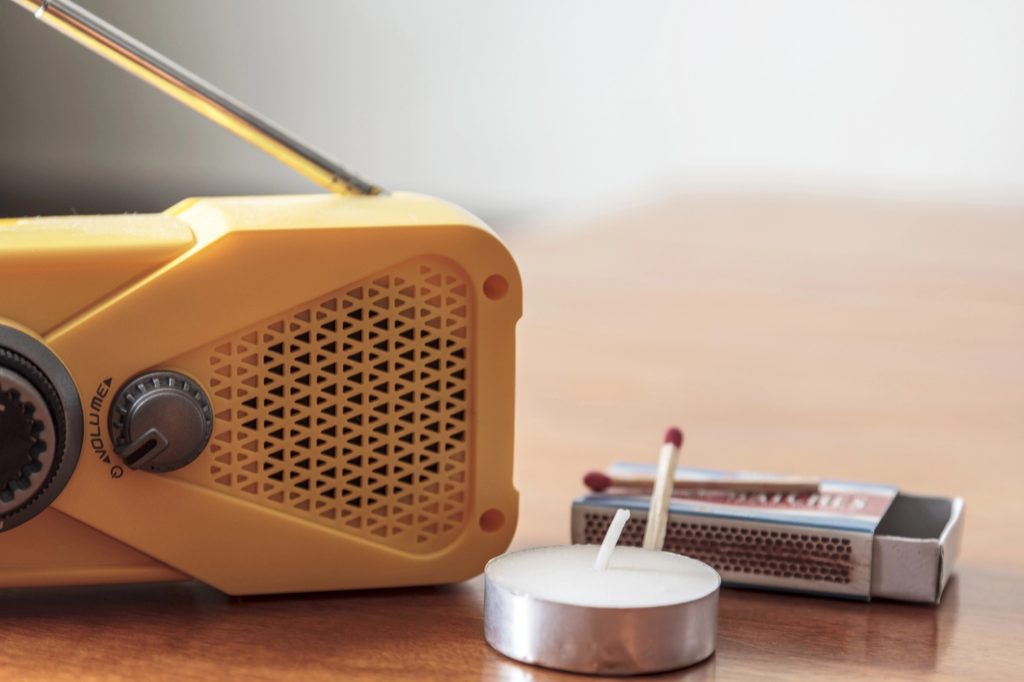
Your phone may be your primary source of news, but internet access and cellular service aren’t guaranteed during a widespread outage. An emergency radio that receives NOAA weather broadcasts and AM/FM stations can help you stay informed about weather conditions, evacuation notices, and other important developments.
Flashlights and Battery-Powered Lanterns
Rather than relying on a single flashlight, keep several sources of emergency lighting throughout your home. Battery-powered lanterns are especially useful for lighting larger spaces, while headlamps let you move around and complete tasks without holding a flashlight.
Extra Batteries
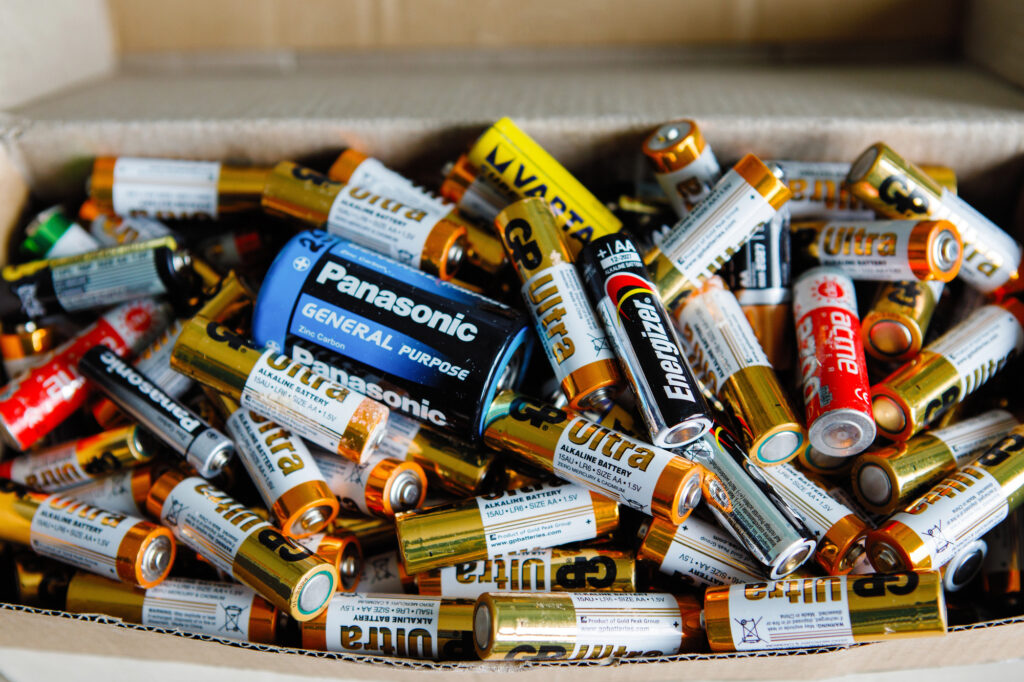
All those flashlights, radios, and lanterns won’t do you much good if their batteries are dead. Check which battery sizes your emergency equipment requires and keep a reasonable supply of each in a designated location.
Portable Power Banks
A fully charged power bank can keep your phone running long after your household loses electricity. Keep compatible charging cables nearby, and periodically recharge your power banks so they’re ready to use rather than sitting in a drawer with an empty battery.
A Manual Can Opener
It’s surprisingly easy to stockpile dozens of canned goods without considering how you’ll open them if your electric can opener stops working. A sturdy manual can opener is an inexpensive addition to your emergency supplies that can save you a considerable amount of frustration.
Related: Preppers, These Are Some of the Best Things to Buy at a Thrift Store
A First Aid Kit
Cuts, burns, and minor injuries can happen more easily when you’re navigating a dark house or cleaning up after a storm. Keep a first aid kit that includes bandages, gauze, antiseptic wipes, medical tape, disposable gloves, and other basic medical supplies.
Prescription Medications and Medical Supplies
Refilling prescriptions may be more difficult if pharmacies are closed or experiencing power outages. Speak with your pharmacist or healthcare provider about maintaining an appropriate emergency supply of essential medications, and arrange a backup power plan for any medical equipment that requires electricity.
Extra Blankets and Weather-Appropriate Clothing
A power outage during the middle of winter can quickly leave your home uncomfortably cold, especially if your heating system depends on electricity. Keep extra blankets, sleeping bags, warm socks, and layers of clothing available, and identify safe places to relocate if indoor temperatures become dangerous.
Hygiene and Sanitation Supplies
Toilet paper, wet wipes, soap, hand sanitizer, heavy-duty garbage bags, and personal hygiene products can become particularly important if an outage also disrupts your water supply. Households with young children should also keep extra diapers, baby wipes, and other everyday necessities on hand.
Cash in Small Bills
You might have plenty of money in your bank account, but accessing it could become difficult if ATMs and electronic payment systems aren’t working. Keeping a modest amount of cash in small denominations gives you another way to pay for food, fuel, or other necessities at businesses that remain open.
Battery-Operated Carbon Monoxide Detectors
People sometimes resort to unsafe cooking and heating methods during extended power outages, increasing the risk of carbon monoxide poisoning. Make sure your home has working carbon monoxide detectors with battery backup, particularly near sleeping areas, and never operate generators, outdoor grills, or camping stoves inside your home or garage.
A Cooler and Ice Packs
According to the USDA, food in an unopened refrigerator generally remains safe for about four hours without electricity. An insulated cooler, frozen ice packs, and a food thermometer can help keep certain perishables and temperature-sensitive medications cold, as long as you maintain their required storage temperatures.
Printed Emergency Contact Information
Most of us no longer memorize phone numbers because everything is stored on our phones. Keep a printed list of important contacts, including family members, healthcare providers, your utility company, and local emergency resources, somewhere everyone in the household can easily find it.