With grocery prices stretching household budgets, it’s easy to assume people leave food banks without enough groceries because there simply isn’t enough food to go around.
But at one food bank in Washington state, a volunteer discovered something unexpected. Some visitors left with less food than they needed, even when volunteers encouraged them to take more.
The reason? They were worried about taking too much and leaving less for someone else.
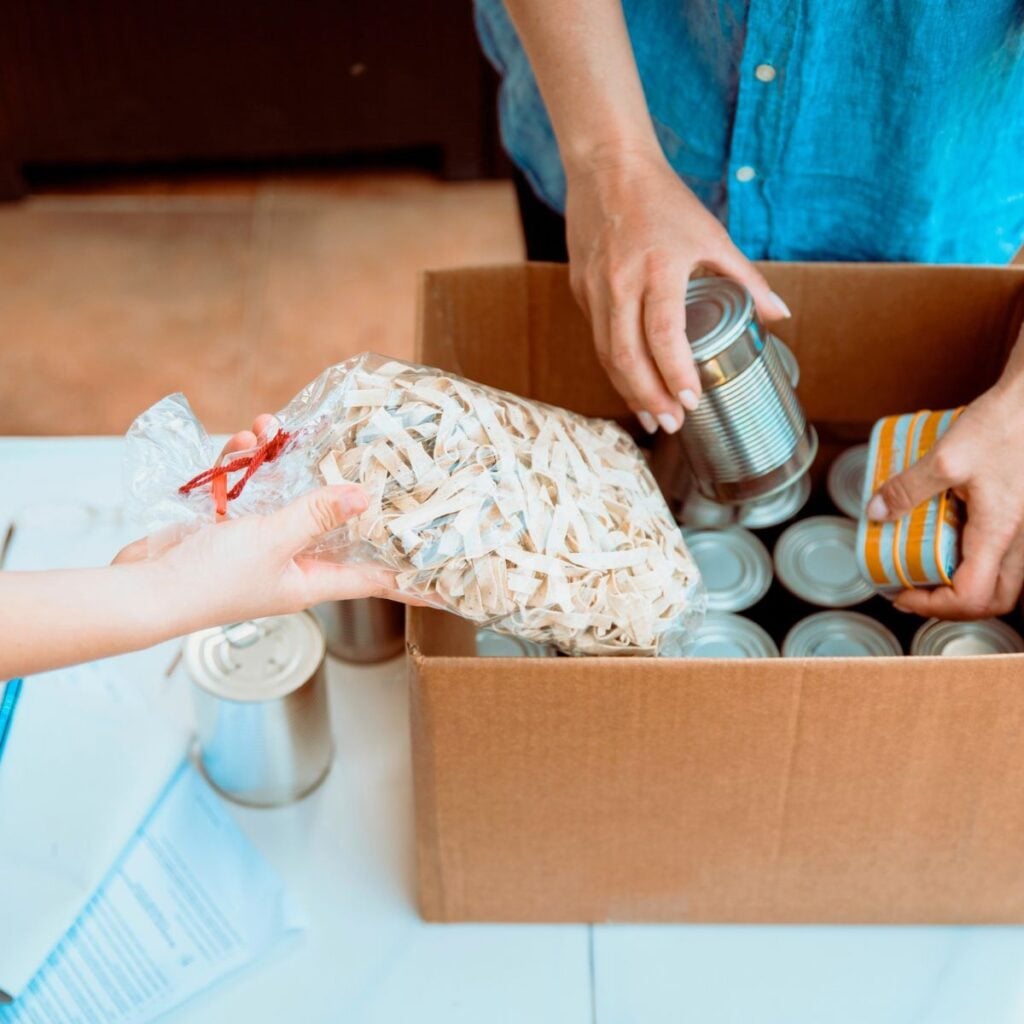
A food bank volunteer noticed something he didn’t expect
According to The Washington Post, Michael Jensen began volunteering at a food bank in Port Townsend, Washington, in April.
Before his first shift, he worried that the organization might not have enough food to meet everyone’s needs. With grocery prices squeezing household budgets, he expected to spend much of his time telling people they couldn’t take as much as they wanted.
But the opposite happened.
Instead of turning people away or limiting how much they could take, Jensen often found himself encouraging visitors to take more food.
Some worried about taking more than their fair share, while others wanted reassurance there would still be enough for the next person.
The experience surprised Jensen enough that he shared it online, where his story attracted widespread attention and helped bring donations to the nonprofit.
Why some people hesitate to take what they need
Accepting help can bring a certain amount of guilt, especially when you know other families are struggling too.
Someone might take fewer groceries because they assume another family needs them more. Others may feel uncomfortable accepting food they haven’t paid for or worry that they’re taking advantage of someone’s generosity.
But leaving behind food you genuinely need doesn’t necessarily help anyone else.
Food banks exist to help people put meals on the table, and their volunteers can explain what’s available and how much visitors can take.
Of course, every organization operates differently. Some food banks limit certain items, while others let visitors choose from available groceries based on their household needs.
The important thing is to follow the organization’s guidelines rather than automatically assuming you should take as little as possible.
Related: This Charity Will Pick Up Your Unwanted Items for Free
Taking less isn’t always the helpful thing to do
The amount of food available at a food bank can vary from one food bank to another, and volunteers generally understand their organization’s supplies and distribution guidelines better.
If someone helping you says it’s okay to take more, don’t feel embarrassed about asking questions or accepting what your household can use.
That doesn’t mean taking groceries you don’t need or won’t eat. It simply means being realistic about what your family needs rather than feeling obligated to leave with less.
Jensen’s experience reminds us that sometimes the people receiving help need a little encouragement to accept it.