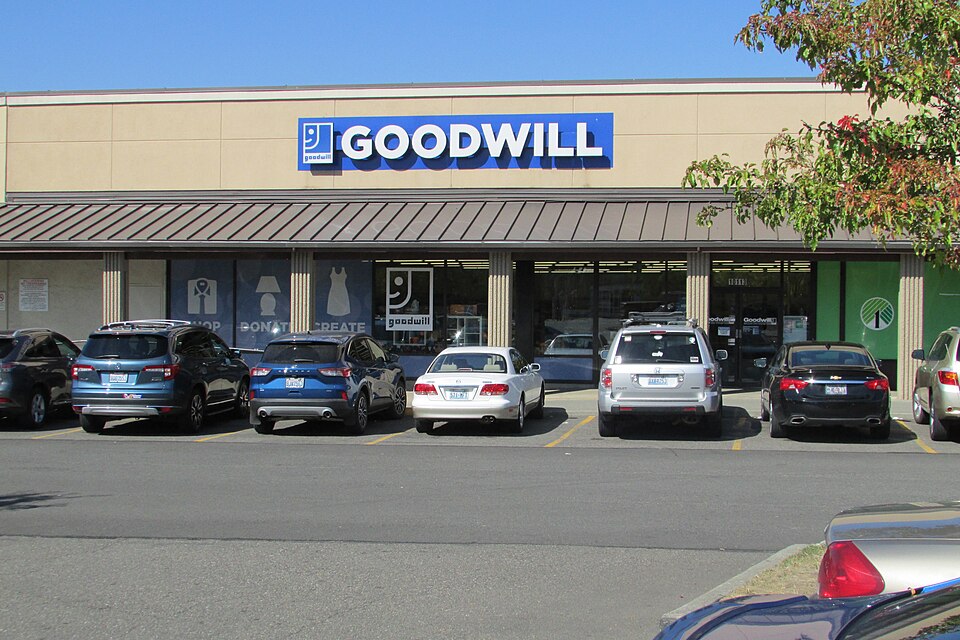
There was a time when a trip to Goodwill felt like one of the easiest ways to stretch a few dollars. You could walk in with $20 and come out with clothes, books, dishes, or even furniture without feeling like you had spent much at all. Part of the fun was never knowing what you might find tucked between the racks.
Lately, some longtime thrift shoppers say that feeling has changed. Across Reddit, people have been sharing stories about Goodwill prices that seem surprisingly close to retail, and in some cases, even higher than what the same item costs new.
For these shoppers, the frustration goes beyond paying a few extra dollars. They miss the days when thrift stores felt like places where people could find affordable necessities, secondhand treasures, and the occasional unbelievable bargain.
One shopper summed up the feeling with a simple complaint: “It doesn’t even feel like thrifting anymore.”
Used Items Are Sometimes Priced Higher Than New Ones
One of the biggest complaints from shoppers is finding used merchandise priced above the original retail price.
One Reddit discussion included shoppers sharing examples of clothing and other items they felt were marked far too high. One person mentioned seeing $20 Target clothing, $30 sweaters, $70 jackets, and items priced at $100 or more. They also described finding a new-with-tags shirt for $10 when the original store had sold it for $8.
Another shopper pointed out the frustration of seeing an item marked at $8 after it had originally been sold for $3 on clearance.
Fast-fashion clothing has also become a sore spot. One commenter complained about seeing secondhand Shein items priced higher than buying the same products new.
That can be a tough sell for shoppers. If a used shirt costs the same as a new one, the reason to buy secondhand becomes much harder to see.
Thrifting Doesn’t Feel as Cheap as It Used To
For many longtime shoppers, the biggest change is the price of basic clothing.
One Reddit user remembered going to Goodwill as a child and finding shirts and pants for 50 cents to 99 cents before the school year. They said seeing similar items priced at $10, $15, or even $30 now feels completely different.
Another shopper shared a photo of Banana Republic chino pants marked at $24.97 and a plain Prana short-sleeve shirt priced at $14.97, despite the shirt already showing signs of wear.
For shoppers who depend on thrift stores to keep clothing and household expenses down, those prices can be frustrating.
Thrift stores have always had a mix of prices, and certain brands or vintage pieces can be worth more. The issue for many shoppers is seeing ordinary secondhand items priced like they are special finds.
The Treasure Hunt Doesn’t Feel the Same
Part of the appeal of thrifting has always been the hunt. You might walk in looking for a pair of jeans and leave with an old Pyrex dish, a vintage jacket, or a book you hadn’t seen in years.
That feeling gets lost when almost everything seems marked up.
Some shoppers say prices have become too high, making Goodwill feel more like a regular retailer than a place for inexpensive secondhand goods.
Others believe some of the best donations never make it to the sales floor. Valuable clothing, collectibles, and other items may be set aside for online sales or auctions, leaving shoppers with fewer chances to stumble across an amazing bargain themselves.
For people who loved the unpredictability of thrift shopping, that can take some of the fun out of the experience.
Resellers Have Changed Thrift Shopping Too
A lot of shoppers also point to the growth of online resale.
Platforms such as Depop, Poshmark, eBay, and social media have made it much easier for people to spot valuable clothing, collectibles, vintage pieces, and recognizable brands. Resellers regularly search thrift stores for items they can buy cheaply and sell for more.
Some shoppers blame resellers for making thrift stores more competitive. Others believe the stores themselves started paying closer attention to online resale prices and began marking certain donations accordingly.
Either way, thrift shopping has changed. What was once a casual search for inexpensive clothing or household goods has become much more connected to the resale market.
Some Shoppers Are Choosing Smaller Thrift Stores
Frustrated shoppers aren’t necessarily giving up on secondhand shopping. Many say they’ve started visiting smaller local thrift stores instead.
Church-run shops, independent thrift stores, charity shops, and smaller nonprofit stores often have a different feel. Some shoppers say these places still have the low prices they remember from years ago.
People who spend a lot of time thrift shopping may also find that smaller stores are less focused on sorting valuable items for online sales.
For someone who misses finding a $2 shirt or a $5 kitchen item, those smaller shops can be a welcome change.
Related: 16 Goodwill Shopping Tips Most People Don’t Know (Don’t Tell Anyone)
Some Shoppers Say Higher Costs Are Part of the Problem
There is another side to the conversation. Running a thrift store isn’t free.
Rent, employee wages, utilities, transportation, sorting donations, store maintenance, and disposal costs all add up. Goodwill locations also receive enormous amounts of donated clothing, much of which may be damaged, outdated, or difficult to sell.
Some shoppers acknowledge that these expenses can explain part of the price increases.
Still, that doesn’t make every price easy to accept. When a used item costs more than a new version sitting on another store’s shelf, people are naturally going to question the price.
The Bigger Issue Is What Thrifting Is Supposed to Be
For many longtime shoppers, the debate isn’t really about whether Goodwill should charge a little more than it did 20 years ago. They know prices have gone up across the board.
What bothers them is seeing ordinary donated goods priced high enough that the basic reason for shopping secondhand starts to disappear.
Thrifting has always been about finding something useful for less, giving old items another home, and occasionally finding something special for next to nothing. When those bargains become harder to find, it’s understandable that longtime shoppers start wondering where the old thrift-store experience went.
Goodwill may still have great finds. Plenty of shoppers continue to leave with something they love. But for people who remember finding clothes for less than a dollar, today’s price tags can feel like a very different version of thrift shopping.