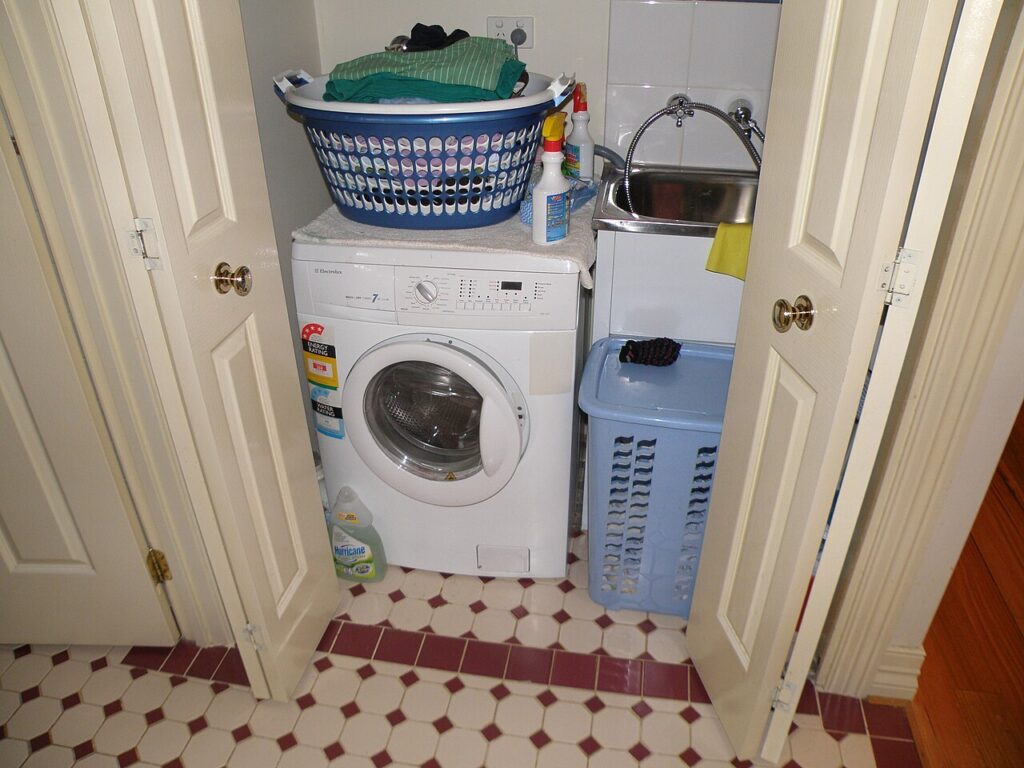
The laundry room often turns into a spot where things get set aside and forgotten. With built-in shelves and cabinets, it’s easy to treat it as extra storage. Still, this space isn’t as stable as it seems. Washers, dryers, and hot water cycles bring constant heat, moisture, and changing temperatures.
Those conditions can wear down certain items, shorten their lifespan, and sometimes even lead to safety concerns. If your laundry room has become a storage catchall, it may be worth rethinking what actually belongs there.
Here are 12 items that are better kept somewhere else.
Flammable Materials
Gasoline, kerosene, lighter fluid, and certain oils should never be stored near appliances that generate heat. Even small sparks or temperature increases can create serious fire risks. These belong in a well-ventilated, designated storage area away from heat sources.
Medications
Heat and moisture can reduce the potency of medications and supplements. Storing them in the laundry room may cause pills to break down faster than expected. Keep medications in a dry, temperature-controlled space instead.
Paper Products
Paper towels, toilet paper, and napkins can absorb humidity, leaving them damp or weakened. If your laundry room tends to feel muggy, it’s best to store paper goods in a dry closet or pantry.
Electronics
Laundry rooms combine water, steam, and electricity, not ideal conditions for electronics. Moisture in the air can damage internal components and lead to corrosion. Keep electronics in a dry, stable environment.
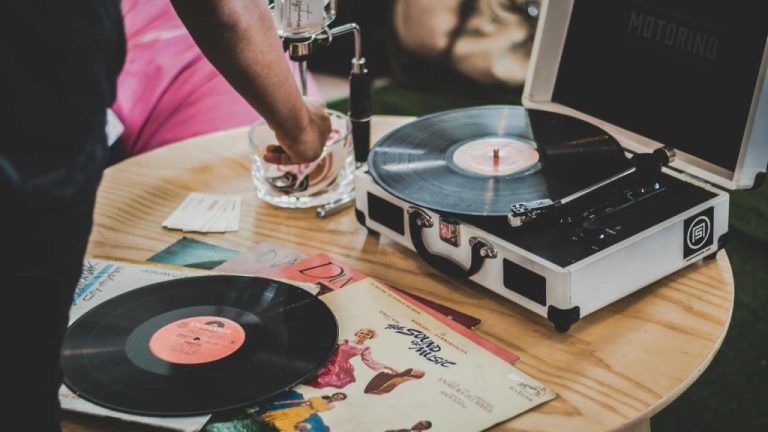
12 Old Electronics That Are Now Considered Vintage
Important Documents
Birth certificates, insurance papers, and financial documents are vulnerable to moisture damage. A small leak or consistent humidity can cause irreversible harm. Store important paperwork in a protective container in a secure area of your home.
Paint and Solvents
Extreme temperatures can affect paint consistency and performance, while solvents may release fumes or become unstable in warmer conditions. These products are better stored in a garage or another well-ventilated space with more stable temperatures.
Photographs
Photos are sensitive to humidity and temperature swings, which can cause fading, curling, or sticking. To preserve memories, keep them in albums or archival boxes stored in a cool, dry place.
Wine and Alcohol
Wine is especially sensitive to heat fluctuations, which can affect flavor and quality. Changes in laundry room temperature can spoil bottles over time. Store wine in a cool, consistent location.
Cosmetics
Makeup and skincare products can separate or spoil when exposed to heat and humidity. To maintain their quality, keep them in a bedroom or bathroom with more stable conditions.
Canned Foods
While canned goods are durable, exposure to consistent heat and moisture can cause rust and shorten shelf life. A pantry or kitchen cabinet with steady temperatures is a safer storage option.
Batteries
Humidity can cause batteries to corrode or leak, shortening their lifespan and creating safety concerns. Store them in a dry drawer or storage container away from moisture.
Musical Instruments
Wooden instruments are especially vulnerable to temperature swings and humidity changes, which can cause warping or cracking. Keep instruments in a climate-controlled room to protect their condition.