It seems like almost every trip to the store now comes with a request to spend a little more at checkout. Between being asked to open a store credit card, donate a dollar to charity, or round up a purchase, shoppers are getting tired of the extra questions at checkout.
While most people recognize the importance of supporting charitable causes, being repeatedly asked to donate can feel uncomfortable, especially when money is tight and every dollar counts.
In a recent Reddit discussion, a HomeGoods shopper shared an awkward checkout experience after being asked three times to donate to charity. The conversation struck a chord with other shoppers who are equally frustrated with feeling pressured to give.
A Simple Shopping Trip Turned Into an Awkward Checkout Experience
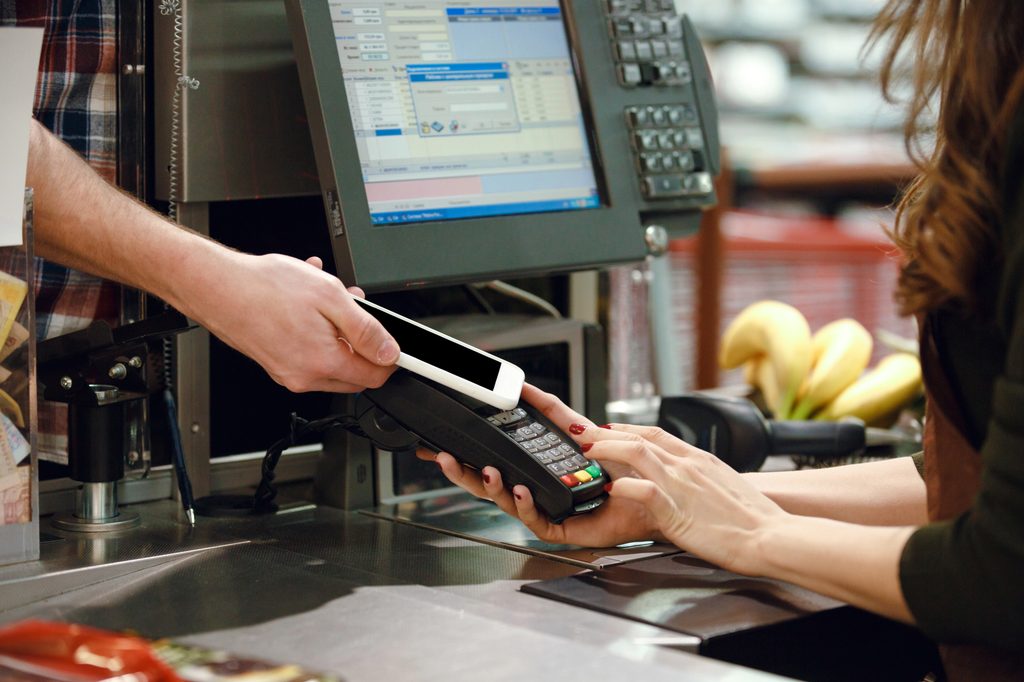
The shopper had stopped at HomeGoods and decided to purchase a $15 Christmas decoration that their partner liked. At checkout, the cashier asked whether they would like to donate a dollar to St. Jude Children’s Research Hospital.
After politely declining, the shopper was asked whether they would prefer to round up their purchase instead. They declined again, and the cashier asked if they were sure.
When the shopper learned that rounding up would cost an additional 77 cents, they ultimately decided against it. Money was particularly tight at the time, and every penny counted.
The interaction left the shopper wondering whether refusing such a small donation made them appear stingy, especially since they were purchasing something they didn’t necessarily need.
Shoppers Are Tired of Being Put on the Spot
Being asked to donate to charity isn’t necessarily the issue. For some shoppers, the frustration comes from having to repeatedly decline a request that should be entirely optional.
It’s one thing to be presented with an opportunity to give, but being asked again after politely declining can make an otherwise routine transaction uncomfortable.
“Saying no once should be enough; by the third ask, it’s basically peer pressure in front of a line of people. 77 cents is 77 cents when money is tight,” wrote one Reddit commenter.
Similar frustrations were shared about checkout experiences at other retailers, with shoppers describing situations where a simple no didn’t seem to be enough.
Small Donations Can Add Up
An extra dollar or a few cents might not seem like much on its own. However, between grocery stores, pharmacies, clothing retailers, pet supply stores, and other businesses, shoppers can encounter several donation requests throughout the week.
For households already dealing with expensive groceries, rising utility bills, and other living expenses, those small amounts aren’t necessarily insignificant.
There’s also a difference between intentionally setting aside money for charitable giving and making several unplanned donations throughout the month. Shoppers shouldn’t have to justify how they choose to spend their money simply because the amount being requested seems small.
Related: 9 Places Where Tipping Is Requested but Not Required
Some Shoppers Prefer to Donate Directly to Charity
Declining a donation at the register doesn’t necessarily mean someone is unwilling to support charitable causes. Many people prefer to research organizations, understand how their contributions will be used, and decide how much they can comfortably afford to give.
Donating directly also allows people to support causes that are personally meaningful to them, whether that’s a local food bank, an animal shelter, a children’s hospital, or an organization serving their community.
For some households, charitable giving is already included in their monthly budget. An unexpected request at checkout may simply fall outside of what they’ve planned to spend.
Saying No Shouldn’t Come With Guilt
No one knows what another shopper’s financial situation looks like. Someone purchasing a small Christmas decoration, a new shirt, or a treat for their family could be carefully managing every dollar they have.
Buying something for yourself or your loved ones doesn’t automatically create an obligation to make a charitable donation.
Checkout fundraising can support important causes, but giving should remain a personal choice rather than something shoppers feel pressured into doing.
A polite “no, thank you” should be enough. You don’t owe anyone an explanation for choosing not to spend your own money.