I love avocados, but keeping them fresh has always been a little frustrating. One day they’re hard and nowhere near ready. The next day they’re perfect. Then suddenly, you cut one open and find brown spots spreading across the flesh.
After tossing out more avocados than I care to admit, I started paying closer attention to the storage tricks that actually made a difference. Some helped. Some didn’t seem to do much at all.
If you’ve ever saved half an avocado for the next day only to find it looking completely different, you know the problem. These are some of the simple things I’ve tried that can help slow browning and keep leftover avocado usable a little longer.
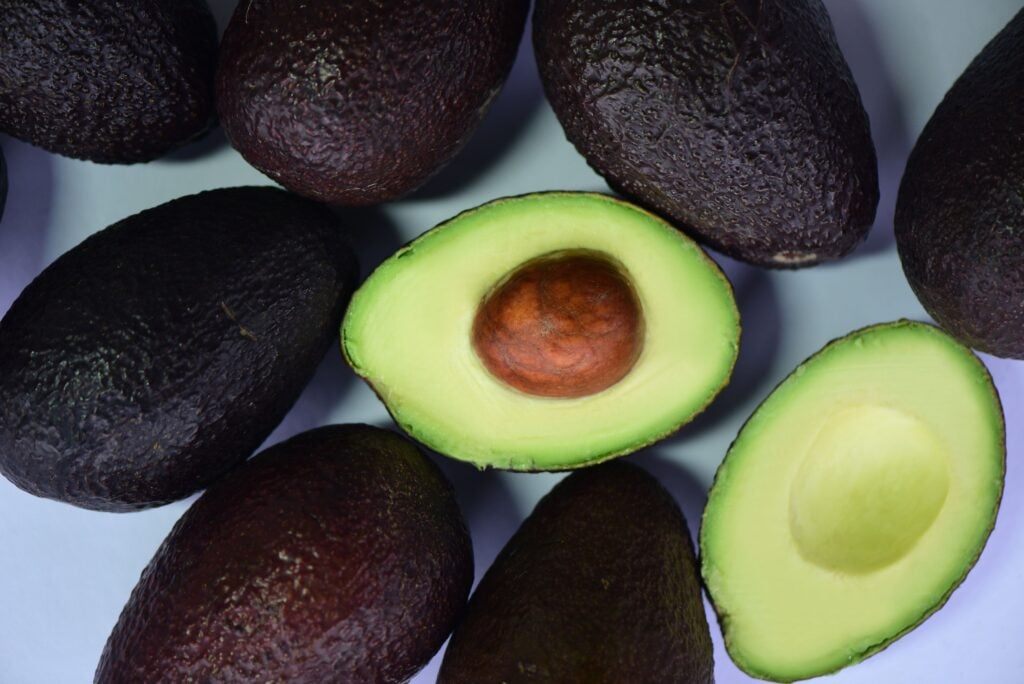
Why Do Avocados Brown So Quickly
As soon as you cut an avocado open, the flesh is exposed to oxygen. That starts a chemical reaction called oxidation, which is what causes the surface to turn brown. It’s similar to what happens to a cut apple.
The brown color doesn’t automatically mean the avocado has spoiled. It just means the exposed surface has been reacting with the air.
Ripening also continues after you bring an avocado home. Ethylene gas plays a role in that process, and warmer temperatures can speed things up.
So the basic idea is to limit how much air reaches the cut surface and keep the avocado refrigerated once it’s cut.
Related: 14 Ways to Keep Squirrels Out of Your Tomato Garden
Aluminum Foil
I tried wrapping half an avocado tightly in aluminum foil, and it worked better than I expected.
The trick is getting the foil as close to the exposed flesh as possible. You don’t want large gaps where air can sit between the avocado and the foil.
Once it’s wrapped, put it in the refrigerator. It won’t stop browning completely, but limiting the avocado’s contact with air can help slow it down.
Brushing With Olive Oil
A thin layer of olive oil can also help cover the exposed surface.
I lightly brushed the oil over the cut side before putting the avocado in the refrigerator. The oil creates a barrier between the flesh and the air, which can slow the browning process.
You don’t need much. A heavy coating can leave the avocado oily and may affect the flavor, so a light layer is plenty.
Related: 10 Ways to Reuse Plastic Grocery Bags Around the House
Lemon or Lime Juice
This is probably one of the easiest tricks to try.
A little fresh lemon or lime juice on the exposed surface can slow browning because of its acidity. After brushing on a small amount, place the avocado in a sealed container and refrigerate it.
I found this especially useful when I already planned to use the avocado in guacamole, salsa, or on toast. The small amount of citrus adds some flavor rather than leaving the avocado tasting completely different.
Airtight Container
Leaving half an avocado sitting uncovered in the refrigerator doesn’t do much to protect it. There’s still plenty of air moving around the exposed flesh.
A small airtight container gives the avocado another layer of protection. I’ve had better results when I combine the container with one of the other methods, such as a little lemon juice or olive oil.
It takes almost no extra effort, and the avocado is ready to use when you need it.
Related: 14 Old-Fashioned Ways People Saved Money During the Great Depression
Pressed Plastic Wrap
My grandma has always pressed plastic wrap directly against the cut side of the avocado, and there’s a reason she sticks with it.
The plastic needs to make close contact with the entire exposed surface. If there’s a big air pocket underneath, that area can still turn brown.
The method works, but I’ll admit that plastic wrap isn’t my favorite thing to deal with. It tends to stick to itself, tear, and generally make the whole process more annoying than it needs to be.
Still, if you already have plastic wrap in the kitchen, it’s a quick option for keeping the cut surface covered before putting the avocado in the fridge.