For years, many old household items were treated as nothing more than clutter. A box of coins in the attic, an old sewing machine sitting in the corner, or a stack of forgotten books might have been donated or thrown away without much thought.
Today, collectors are looking at those same items differently. Pieces that once seemed ordinary are now being searched for by people who appreciate their history, craftsmanship, and rarity.
Before assuming something is valuable, it helps to know the difference between an antique and a vintage item. A true antique is generally considered to be at least 100 years old. Items younger than that are usually classified as vintage, though they can still attract plenty of interest from collectors.
If you come across old belongings while cleaning out a home, look closely before getting rid of them. Maker’s marks, dates, materials, and condition can tell you a lot about what you have.
Here are some antiques that were once overlooked but are now getting plenty of attention.
Antique Coins and Early Money
Old coins have always attracted collectors, but certain pieces from the 1800s and earlier can be worth far more than their original value.
Rare minting errors, limited production coins, and pieces in excellent condition often attract the most attention. Old paper currency can also be valuable, especially if it has historical importance or unusual features.
Before cleaning or handling old coins too much, it’s best to store them safely while researching their background.
Related: 13 Vintage and Antique Pieces That Could Still Be Worth Something
Early Typewriters
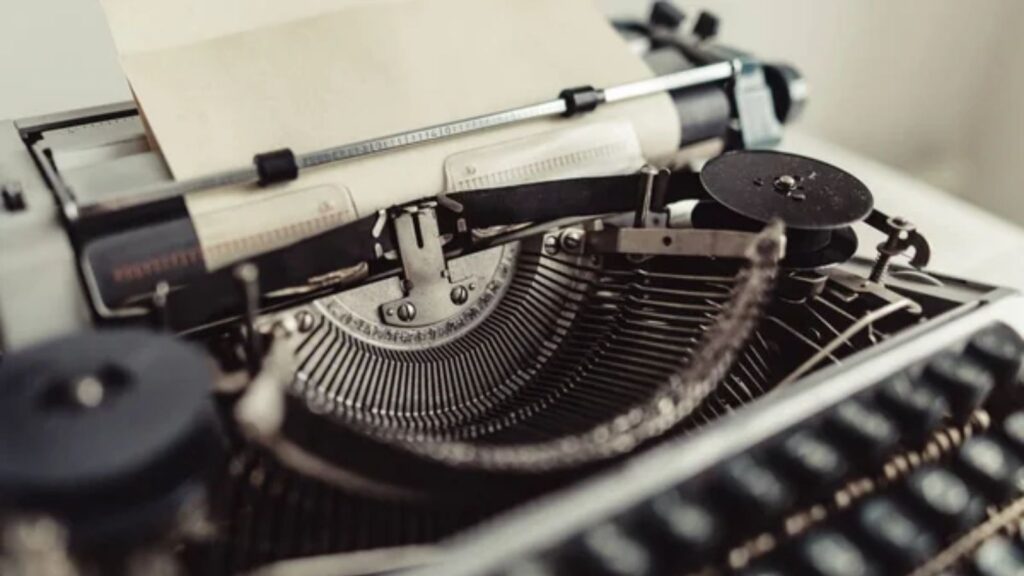
Typewriters were once common office equipment, but the earliest models have become popular collector’s items.
Machines from the late 1800s and early 1900s are especially interesting because of their age and mechanical design. A working typewriter can attract buyers, but even non-working models with original parts may still hold value.
Many collectors appreciate these pieces as reminders of how people wrote and worked before modern technology took over.
Related: 13 Valuable Antique Items You Might Already Have in Your Kitchen Cabinets
Antique Books and First Editions
Old books often look ordinary on a shelf, but some can be worth a surprising amount.
First editions, books printed before the 1900s, and copies with original covers are especially appealing to collectors. Handwritten notes, personal inscriptions, and unusual printing details can make certain books even more interesting.
A forgotten box of old books may contain more than just outdated reading material.
Related: 13 Rare Antique Finds That May Be Sitting in Your Kitchen Cabinets
Sterling Silverware and Serving Pieces
Silver trays, tea sets, and silverware collections that were once stored away are finding new appreciation.
Pieces marked with sterling stamps or made by recognized manufacturers are often the most desirable. Even incomplete sets may still have value because of the silver content, craftsmanship, or age.
Instead of separating old silver pieces, it’s worth checking their markings first.
Early 20th Century Furniture
Furniture made in the late 1800s and early 1900s is gaining attention from people who appreciate solid construction and traditional craftsmanship.
Hand-carved details, quality wood, and older building methods often make these pieces stand apart from many newer furniture options. Victorian, Edwardian, and Arts and Crafts styles remain popular among collectors.
A careful cleaning and proper care can help maintain the original finish and condition.
Antique Clocks
Mechanical clocks from the 19th and early 20th centuries continue to attract collectors.
Grandfather clocks, mantel clocks, and wall clocks often appeal to buyers because of their detailed designs and intricate movements. Even clocks that no longer run may still be valuable because of their age and craftsmanship.
Hand-Blown Glass and Early Ceramics
Before factories produced identical pieces by the thousands, many glass and pottery items were made by hand.
Collectors often look for hand-blown glass, early stoneware, and signed pottery because each piece has its own characteristics. Small imperfections from handmade production can actually show that an item was created using older techniques.
Antique Quilts and Textiles
Handmade quilts and textiles from the 1800s and early 1900s were often packed away in closets or passed down through families.
Today, collectors appreciate these pieces for their patterns, stitching, materials, and connection to the past. Quilts made with natural dyes, detailed handwork, or unusual designs can attract strong interest.
Oil Lamps and Early Lighting
Before electric lights became common, oil lamps were part of everyday life. Now, those same lamps have become popular decorative collectibles.
Pieces with original glass chimneys, detailed metalwork, and complete parts are often the most desirable. Many collectors enjoy them for both their history and appearance.
Vintage Tools from Before 1920
Old tools may seem like simple garage items, but collectors often value tools made before modern manufacturing became widespread.
Hand-forged tools, blacksmith-made pieces, and early woodworking equipment are appreciated for their durability and craftsmanship. Some buyers collect them for display, while others still use them today.
Antique Picture Frames and Mirrors
Sometimes the frame is worth more than what it holds.
Decorative frames and mirrors from the 19th century can feature hand-carved wood, gilded finishes, and detailed designs that are difficult to find in newer pieces. These items can add character to a home while also holding collector value.
Early Sewing Machines
Old sewing machines, especially those made in the late 1800s and early 1900s, have become popular again.
Models with cast iron bases, decorative details, and original parts are often collected for their appearance and history. Many people also enjoy displaying them as reminders of traditional sewing skills.
Don’t Overlook What’s Sitting in Storage
Many valuable antiques were once considered outdated or unnecessary. The items sitting in an attic, basement, or family storage room may deserve a closer look before being donated or discarded.
Age alone doesn’t guarantee value, but details like rarity, condition, maker information, and history can turn an ordinary-looking object into something collectors are eager to find.