Pawn shops give people a way to get cash quickly by using personal belongings as collateral. Most customers pay back the loan and get their stuff back, but that doesn’t happen every time.
Maybe money gets tight, priorities change, or the item just isn’t worth paying to reclaim. Once the loan period ends and the customer doesn’t redeem the item, the pawn shop can usually take ownership of it. What happens after that depends on the item and the shop.
Here’s what commonly happens to things that never get picked up.
They Hold the Item Until the Loan Period Ends
A pawn shop generally can’t put an item up for sale the day a customer misses a payment. Pawn loans have a set redemption period, and the exact length depends on state and local rules.
The term can vary from one place to another. During that period, the customer may be able to repay the loan, pay the required fees, or renew the loan under the shop’s terms.
Once the redemption period expires without repayment, the shop can usually treat the item as forfeited. The exact rules vary by location, so the paperwork given when the loan is made matters.
They Become the Owner
After the redemption period expires, the pawn shop generally takes ownership of the collateral.
That’s one of the main differences between a pawn loan and many other types of borrowing. The item secures the loan, so the shop can recover its money by taking possession of the collateral rather than pursuing the borrower for an unpaid balance.
The exact rules can vary by state, so borrowers should check their pawn agreement and local regulations.
They Clean and Check the Item
Before an item goes back on the sales floor, the shop may give it a good cleaning and check its condition.
Jewelry might be polished, electronics may be tested, and tools may be cleaned or checked for missing parts. A little work can make a used item more appealing to the next buyer.
The shop also wants to know what it’s actually selling. Nobody wants a customer coming back because an item doesn’t work as expected.
Related: 20 Household Items Pawn Shops Will Pay Big Bucks For
They Check What the Item Is Worth
The price isn’t usually based on the amount of the original pawn loan.
Once the shop owns an item, staff can look at its condition, brand, demand, and recent selling prices to decide what to charge. A popular item in good condition may be priced higher, while something that’s been sitting around may eventually get marked down.
Pawn shops have to balance getting their money back with setting a price that someone will actually pay.
Jewelry Often Goes Into the Display Case
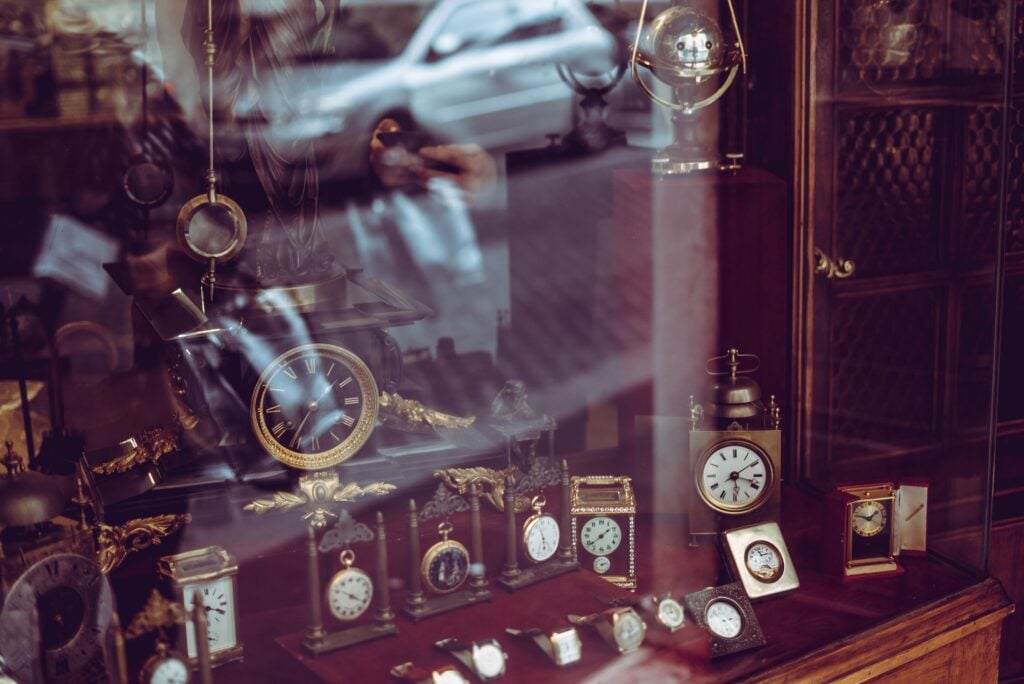
Gold jewelry, watches, rings, and other valuable pieces are common pawn shop merchandise.
After an item is forfeited, the shop may clean it, check its condition, weigh precious metals when appropriate, and assess its value before putting it up for sale.
For shoppers, this can be one of the more interesting parts of visiting a pawn shop. You may find a vintage piece, designer accessory, or older watch for less than you would pay at a traditional jewelry store.
Related: Vintage Accessories Grandma Wore With Style That We Still Love Today
Electronics Are Tested Before They’re Sold
Laptops, gaming consoles, cameras, tablets, phones, and other electronics can become part of a pawn shop’s inventory.
A reputable shop will usually test the item before putting it up for sale. Staff may check whether it powers on, whether the main functions work, and whether accessories such as chargers or controllers are included.
Popular electronics can move quickly, especially when the asking price is below what a buyer would pay for a comparable item elsewhere.
Some Items Are Listed Online
Pawn shops aren’t limited to selling everything to people who walk through the front door.
Some shops list merchandise on their own websites, online marketplaces, or auction platforms. That gives them a larger pool of potential buyers, which can be helpful for unusual items that may not have much local demand.
A vintage collectible might sit on a local shelf for months but attract attention from someone across the country who has been looking for that exact piece.
Luxury Watches Get Extra Attention
High-end watches from brands such as Rolex, Omega, and Cartier can require more checking before they go up for sale.
The shop may look at the watch’s condition, model, serial information, and authenticity. Original boxes, paperwork, service records, and extra links can also affect what the watch is worth.
Because counterfeit luxury watches exist, reputable shops have good reason to be careful with expensive pieces.
Related: 14 Vintage Kitchen Brands That Have Become Highly Collectible (They’re Thrift Store Gold)
Some Items Are Sold to Other Businesses
Not everything that comes into a pawn shop makes sense to put on a shelf.
Some items may appeal more to dealers, collectors, wholesalers, or specialty buyers than to the shop’s regular customers. A pawn shop may sell those items in bulk or to another business that has a better market for them.
This also frees up room for merchandise that is more likely to sell in the store.
Valuable Precious Metals May Be Melted Down
A damaged gold chain or outdated piece of jewelry may have more value for its metal than as a finished piece.
If a shop can’t find a buyer for the jewelry itself, it may sell the precious metal to a refiner. The refiner can process the material and recover its gold or other valuable metals.
So an old piece of jewelry that looks like it has little resale appeal can still be worth something because of what’s in it.
Some Items Sit for Months
Not every unredeemed item flies off the shelf.
A rare collectible, specialty tool, unusual piece of equipment, or older electronic item may sit in the store while the shop waits for the right buyer. If something has been there for a long time, the shop may lower the price or make an offer to a customer who shows interest.
Eventually, the goal is to turn that inventory back into cash and make room for something else.
The Original Borrower Usually Doesn’t Keep Owing Money
A common question about pawn loans is what happens if someone can’t afford to get their item back.
With a typical pawn loan, the collateral secures the debt. If the borrower doesn’t redeem the item during the agreed period, the item is forfeited under the terms of the loan, and the borrower generally doesn’t owe the shop the difference between the loan and what the item later sells for.
The exact rules can vary by state and by the terms of the agreement, so it’s always worth reading the pawn ticket before signing.
That’s also why pawn loans are different from many other types of borrowing. If the loan isn’t repaid, the item used as collateral is what the shop relies on to recover its money.