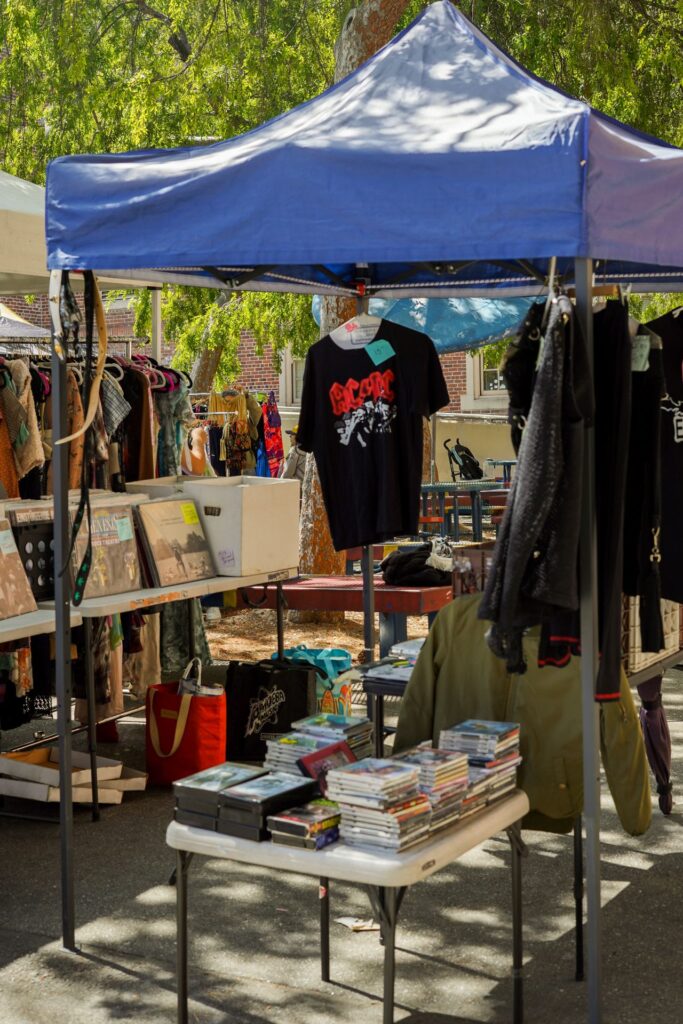
There’s always stuff left after a garage sale. No matter how many people stop by or how well you price everything, somehow you’re still staring at a table full of random dishes, clothes, books, and household items when it’s over.
And after spending all that time getting things out of the house, the last thing you want to do is bring them right back inside. The good news is that a garage sale doesn’t have to be the final stop. Some things may be worth selling another way, while others can be donated, given away, recycled, or passed along to someone who will actually use them.
Here’s what to do with everything that didn’t sell.
Put It Out for Free
If you’re completely done with the stuff and simply want it gone, free can work surprisingly fast. Put a few items near the curb with a clearly marked “FREE” sign, provided your neighborhood allows it, and you may find that most of it disappears before the day is over.
Just don’t leave a pile sitting outside indefinitely. Bring anything remaining back in before bad weather hits or before it turns into a mess someone else has to deal with.
Post It in a Buy Nothing Group
Before hauling everything to a donation center, try your local Buy Nothing group or another neighborhood free group. Kids’ clothes, toys, small furniture, kitchenware, moving boxes, craft supplies, plants, and plenty of other things that didn’t sell can get claimed quickly when they’re free.
This is especially useful when you have something that’s perfectly good but probably isn’t worth the trouble of creating a paid listing. Posting several things together as one lot can also save you from arranging ten different pickups.
Donate It to a Thrift Store
If the items are clean, usable, and in good condition, donating them is one of the easiest ways to finish the job. Clothing, dishes, décor, books, small furniture, and household goods may get a second life instead of returning to your closet or garage.
Just remember that thrift stores can’t accept everything. Check the organization’s donation guidelines before loading your car, especially if you’re getting rid of larger furniture, electronics, mattresses, damaged goods, or anything that may be considered hazardous.
Related: 12 Everyday Items You Should Stop Trying to Donate to Thrift Shops
Schedule a Donation Pickup
Have a lot left over or a few pieces of furniture you don’t want to wrestle into the car? Look for a local charity that offers donation pickup, because some organizations will collect qualifying furniture and household goods directly from your home.
Availability and accepted items vary widely, so schedule the pickup before assuming everything will be taken. This can be one of the easiest options after a large garage sale because you can essentially move the leftovers straight from the sale into the donation pile.
Related: 6 Bay Area Charities That Offer Free Donation Pickup Services
Sell the Better Stuff Online
Something not selling for $10 at a garage sale doesn’t necessarily mean it’s worth less than $10. Garage sale shoppers tend to expect bargain prices, while someone searching online for your exact item may happily pay considerably more.
Set aside anything with obvious resale potential, such as name-brand clothing, vintage pieces, collectibles, furniture, tools, electronics, sporting equipment, or popular kids’ gear. Those are the items worth photographing and listing individually rather than practically giving away just to clear the driveway.
Bundle the Smaller Stuff
Selling every leftover book, toy, or piece of clothing individually can quickly become more work than it’s worth. Instead, group similar things together and sell them as a lot.
Think “box of 20 children’s books,” “girls’ clothes size 5–6,” “assorted baking supplies,” or “bundle of gardening tools.” You may make a little less per item, but you can move a lot more stuff with a single transaction.
Take Clothing to a Consignment or Resale Store
If some of your better clothing didn’t sell, don’t immediately throw it into the donation bag. Clean, current, in-season clothing from desirable brands may be worth taking to a local consignment or resale shop.
Check what the store accepts before making the trip because most are fairly selective. Whatever they don’t take can then move on to your donation pile rather than coming home again.
Ask Friends and Family
Sometimes you already know the person who could use what you’re getting rid of. Send a few photos to friends or family before donating larger or particularly useful things like a bookshelf, stroller, kids’ clothes, small appliance, patio furniture, or tools.
The key is not turning your decluttering project into someone else’s clutter problem. Offer things you genuinely think they’ll use rather than sending out a blanket “Does anybody want all this stuff?” message.
Donate to Organizations That Can Use Specific Items
A thrift store isn’t your only donation option, and sometimes there’s a much better home for what you have. Schools may need craft or classroom supplies, animal shelters may accept towels and blankets, community organizations may need household essentials, and some shelters or family-assistance programs accept clothing and personal-care items.
It’s worth matching the item with an organization that can actually use it. Always check its current wish list or donation policy first instead of dropping off things it didn’t ask for.
Related: 15 Donation Rules Most People Don’t Know
Recycle What You Can
Some leftovers aren’t worth selling or donating, but that doesn’t automatically make them trash. Electronics, batteries, scrap metal, textiles, cardboard, paint, and other materials may have special recycling or disposal options in your area.
This is especially important for things donation centers won’t accept. A quick check of your city’s recycling and household hazardous-waste programs can keep items that shouldn’t go into the regular trash from ending up there.
Throw Away What Really Is Trash
There comes a point when something has reached the end of its useful life. Broken items, badly stained clothing, heavily damaged furniture, incomplete products, or things that aren’t safe to use shouldn’t be passed along simply because throwing them away feels wasteful.
Donating unusable things doesn’t prevent waste; it just shifts responsibility for disposal to someone else. If an item can’t reasonably be sold, reused, repaired, donated, or recycled, it’s okay to finally let it go.