Thrift shopping used to be a reliable way to stretch your money. You could walk into a secondhand store with $20 and reasonably expect to leave with a bag of useful finds, but these days, some thrift store prices can feel surprisingly close to what you’d pay buying new.
One thrift store in Georgia has gone completely in the opposite direction. At Georgia Tech’s Green Goodbyes thrift store, students can browse clothing, dishes, small appliances, and household goods, and everything costs absolutely nothing.
There Isn’t a Single Price Tag to Worry About
Green Goodbyes isn’t offering deeply discounted merchandise or a special student sale. The gently used items inside are available to current Georgia Tech students for free.
That means a student might walk in and leave with clothing, pots and pans, dishware, or a small appliance without spending a dime. For anyone used to checking thrift store tags before deciding whether something is a bargain, the concept can almost sound too good to be true.
The Inventory Comes From Things Other Students Don’t Want
The store’s inventory largely comes from items students no longer need, particularly when they’re moving out of dorm rooms and apartments. Instead of throwing away perfectly usable belongings or figuring out how to haul everything back home, students can donate eligible items to Green Goodbyes.
Those donations then go right back into the campus community. Something one student no longer wants could be exactly what another student needs for their dorm or apartment.
It Started as a Way to Deal With Move-Out Waste
Georgia Tech started the Green Goodbyes program in 2021, collecting items during student move-out instead of letting usable belongings end up in dumpsters. Originally, the school stored the donations and held an event where students could pick out items.
The idea eventually grew beyond a seasonal donation program. In 2024, Green Goodbyes expanded into a storefront in Tech Square, making it much easier to redistribute those secondhand goods.
You Can Find More Than Just Clothes
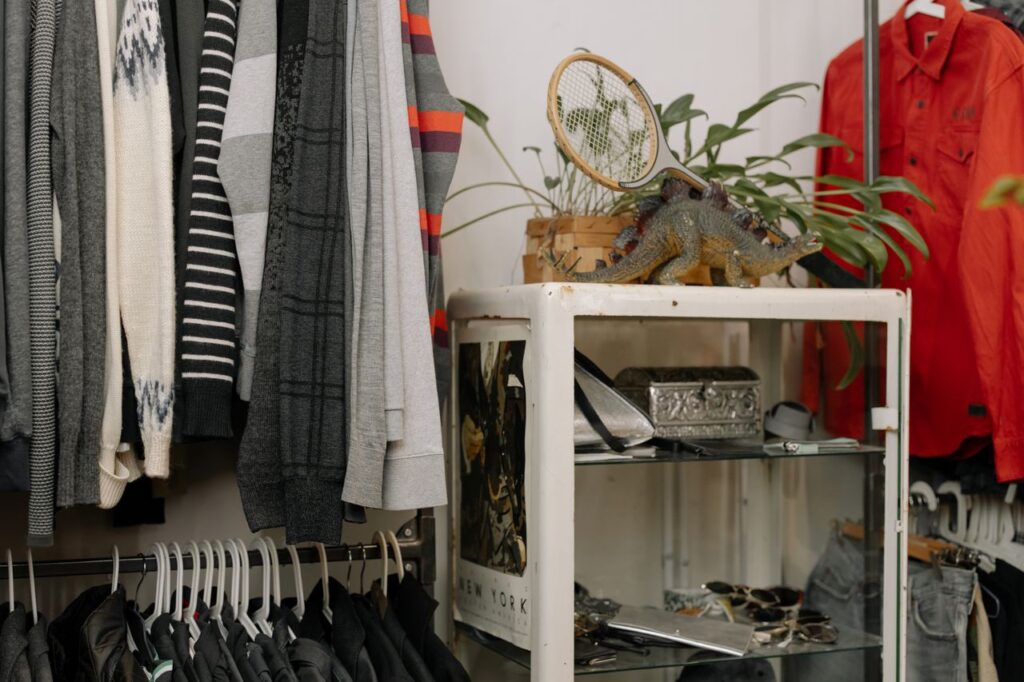
Calling Green Goodbyes a thrift store might immediately make you think of racks of secondhand clothing, but the inventory goes well beyond someone’s old jeans and T-shirts. Students may find small appliances, pots and pans, dishes, household goods, and other useful items depending on what’s been donated.
And just like any other thrift store, there’s no guarantee what you’ll find when you walk through the door. The inventory changes as donations come in, so there’s still that familiar treasure-hunt aspect of thrifting just without the price tags.
There Are Limits on Who Can Shop
There is one pretty big catch: you can’t simply walk in off the street and start grabbing free stuff. Green Goodbyes is primarily a resource for current Georgia Tech students, who bring their BuzzCard to verify enrollment.
The store also limits the number of people shopping at once, with no more than eight students allowed inside at a time. That helps keep things manageable while students browse the donated inventory.
It Helps With a Very Real College Expense
Moving into a dorm or first apartment can require buying an astonishing number of little things. A few dishes, a pan, a lamp, clothing, and a small appliance here and there might not sound like much, but together they can quickly become another sizable college expense.
Meanwhile, another group of students may be trying to get rid of those exact same things at the end of the semester. Green Goodbyes essentially connects the two groups instead of having one throw everything away while the other buys everything new.
It’s an Interesting Twist on the Traditional Thrift Store
Traditional thrift stores obviously have operating expenses and can’t simply give away everything that comes through their donation doors. Still, Green Goodbyes demonstrates another way donated goods can work when they’re kept within a smaller community.
The model makes particular sense on a college campus, where thousands of people with similar household needs are constantly moving in and out. Instead of one student tossing a perfectly good item and another student buying the same thing a few months later, the item simply changes hands.