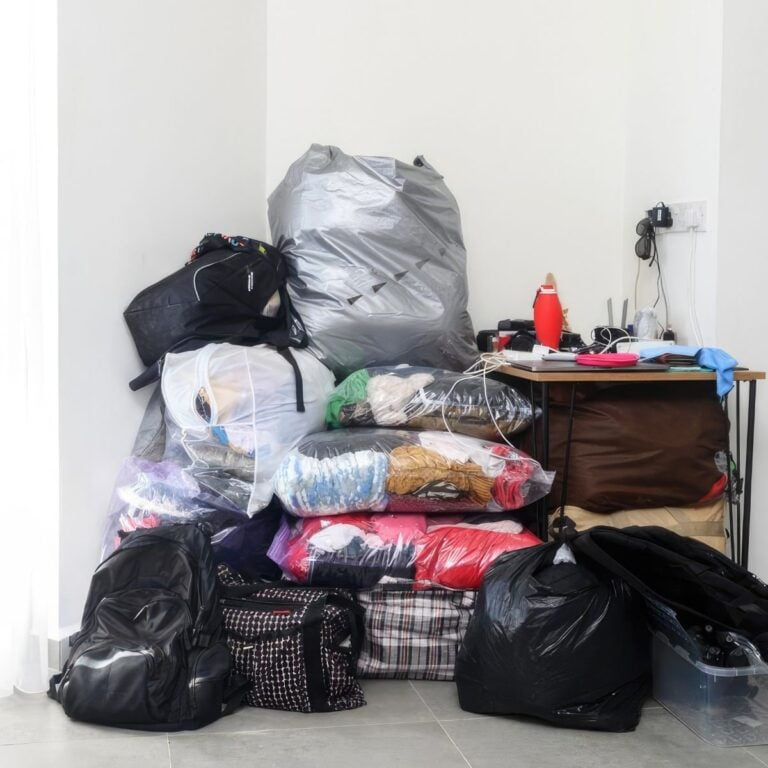
After living in the same home for years, it’s easy to accumulate more stuff than you know what to do with. There are things you use, things you forgot you owned, and plenty of things you’ve kept simply because you can’t bring yourself to get rid of them.
You might even hold onto certain belongings because you think your children will want them someday. But the reality is, they probably have enough stuff of their own. And what you consider valuable or sentimental might not mean nearly as much to them.
Instead of leaving your kids to sort through decades of belongings, it may be worth going through some of them now. Here are 15 items to reconsider keeping, especially if no one in the family actually wants them.
Old Furniture Nobody Wants
That heavy dining room table, oversized entertainment center, or extra bedroom set might have served your family well for years, but your children may not have room for it. Furniture styles and living spaces change, and many younger adults simply don’t want large, hard-to-move pieces.
Ask your kids whether they’re interested before making plans to pass anything down. If they’re not, consider selling or donating the furniture while it’s still in good condition.
Formal China and Dinnerware
Many families have a cabinet full of fine china that comes out only on special occasions, if at all. Those dishes may have been expensive or meaningful when you bought them, but your children might prefer the everyday dinnerware they already own.
Complete sets can also take up quite a bit of storage space. Keep a few sentimental pieces, but don’t assume the entire collection needs to be passed down.
Boxes of Old Paperwork
Old bank statements, expired warranties, outdated insurance documents, and decades of household paperwork tend to pile up. Most of it won’t be useful to your children, and sorting through it can become a time-consuming job.
Go through your files and separate important records from papers you no longer need. Shred documents containing personal information, and keep essential records organized so your family can find them when necessary.
Outdated Electronics
Old computers, DVD players, tangled charging cables, and cellphones that haven’t worked in years are common clutter in many homes. We tend to hold on to them because they were expensive or because we think we might need something from them later.
If an electronic device is no longer useful, consider recycling it through an appropriate electronics recycling program. Just make sure personal information is backed up and securely removed from devices before they leave your possession.
Collections That Have Lost Their Appeal
Whether it’s figurines, decorative plates, souvenir spoons, or other collectibles, your children may not be interested in something you’ve spent years collecting.
Some collections have resale value, but others are worth far less than people expect. Research what similar items are actually selling for before deciding what to do with them. If your kids don’t want the collection, you may find another collector who does.
Related: 9 things almost everyone forgets to declutter
Old Magazines and Newspapers
Stacks of magazines, newspaper clippings, catalogs, and old publications can take up an incredible amount of space. While a few may contain meaningful family memories or have collectible value, most won’t be something your children want to store.
Go through them and save the articles or pages that matter most. Scan meaningful clippings and recycle the rest, as long as they aren’t rare or historically significant.
Extra Kitchen Gadgets and Appliances
It’s easy to accumulate kitchen items over the years, especially when you’ve lived in the same home for decades. Bread makers, duplicate blenders, specialty baking pans, and appliances you haven’t used in years can fill cabinets and closets.
Your kids probably already have their own kitchen essentials. Instead of saving everything for them, keep what you use regularly and donate or sell the extras that still work.
Old Clothing and Accessories
Closets often contain clothes that no longer fit, outdated styles, and accessories that haven’t been worn in years. Some pieces may hold sentimental value, but most adult children won’t want to inherit an entire wardrobe.
Before donating everything, check for quality vintage clothing, designer labels, and accessories you might be able to resell. Keep a few meaningful pieces if you want, but you don’t need to hold onto every item just because you’ve owned it for a long time.
Holiday Decorations You No Longer Use
Over the years, holiday decorations can grow into a collection of bins that barely fit in storage. There may be ornaments from decades ago, decorations that no longer match your style, and items you haven’t displayed in years.
Your children may appreciate a few ornaments that remind them of family traditions, but they probably won’t need every box. Let them choose their favorites and donate the decorations that are still usable.
Old Books and Encyclopedias
Books can be difficult to part with, especially when you’ve collected them over a lifetime. But shelves full of outdated reference books, old textbooks, and novels nobody reads anymore can become a burden for someone else to sort through.
Keep the books you love and those with genuine sentimental or collectible value. Used bookstores, libraries that accept donations, and community book sales may be good places to pass along the rest.
Excess Bedding and Linens
Most households have a linen closet filled with extra sheets, mismatched pillowcases, old blankets, and towels that have seen better days. Some of these items haven’t been used in years.
Your children aren’t likely to need several sets of old bedding, especially if they have different mattress sizes or already own their own linens. Keep a reasonable supply for your household and donate clean, usable extras. Worn-out textiles may be suitable for textile recycling or animal shelters, depending on local requirements.
Old Trophies, Awards, and Certificates
Awards and trophies can represent important moments in your life, but they may not mean the same thing to your children. A box filled with decades of participation awards, plaques, and certificates can make it hard for family members to decide what to keep.
Consider photographing the items and saving the ones that mean the most. You can preserve the memory without keeping every physical reminder.
Family Photos Nobody Can Identify
Family photographs are worth preserving, but boxes filled with unlabeled pictures can leave the next generation wondering who everyone is. Over time, those memories become harder to piece together.
Take time to organize photographs, label archival materials with names and dates, and digitize older pictures when possible. Share copies with family members so the memories aren’t stored in just one place. Be especially careful with original photographs you can’t replace.
Sentimental Keepsakes That Only Mean Something to You
This might be the hardest category. Old greeting cards, childhood artwork, souvenirs, ticket stubs, and little reminders of important moments can feel impossible to throw away.
But something can be meaningful to you without becoming a family heirloom. Your children may not understand the story behind every item, and that’s okay.
Choose the keepsakes that matter most, share their stories, and consider photographing the rest. You don’t have to erase your memories to make more room in your home.