Most of us don’t spend much time thinking about how banks make money. We deposit our paychecks, pay bills, swipe our debit cards, and assume that’s the end of it.
Behind the scenes, though, banks earn money in plenty of ways that many customers rarely notice. None of these practices are illegal, and most are explained somewhere in the account terms. The problem is that small fees, low interest rates, and borrowing costs can quietly chip away at your finances over time.
Knowing where those costs come from can help you avoid paying more than you need to.
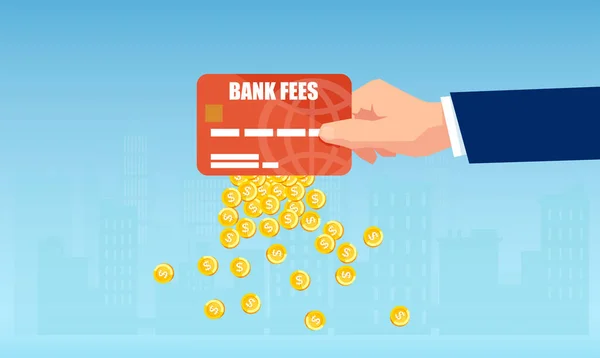
Hidden Fees That Slowly Drain Your Account
Bank fees don’t always grab your attention because they’re often small. Monthly maintenance charges, ATM fees, paper statement fees, and other service charges can seem minor on their own.
The problem is how often they happen. Using an out-of-network ATM a few times each month or paying a monthly account fee can easily add up over the course of a year.
How to stop it:
Check your statements regularly, ask your bank whether fees can be waived, and compare accounts that don’t charge monthly maintenance or ATM fees.
Related: 8 Foods Food Banks Usually Can’t Accept
Your Savings Earn Less Than Your Bank Does
When you deposit money into a savings account, the bank pays you interest. It also lends much of that money to borrowers at much higher interest rates.
That difference is one of the biggest ways banks earn a profit. While your savings may grow slowly, the bank often earns considerably more from the same funds.
How to stop it:
Compare high-yield savings accounts and consider investing money you won’t need right away if you’re comfortable with the risks involved.
Credit Card Interest Can Keep You Paying for Years
Credit cards offer convenience, but carrying a balance can become expensive very quickly. High interest rates mean purchases can cost far more than their original price if they’re paid off over time.
Making only the minimum payment can keep debt around much longer than many people expect.
I’ve been using the Capital One Venture X, and it’s easily one of my favorite travel cards right now. If you apply through my referral link and get approved, you can earn up to 75,000 bonus miles plus travel perks like a $300 annual credit
How to stop it:
Pay your balance in full whenever possible. If you already have credit card debt, focus on paying off the highest-interest balance first.
Related: 14 Things to Avoid Charging to a Credit Card
Overdraft Fees Can Pile Up Quickly
It’s easy to miscalculate your account balance or forget about an automatic payment. A single mistake can trigger an overdraft fee of $30 or more.
If several transactions are processed before you notice, those fees can multiply in a single day.
How to stop it:
Set up low-balance alerts, connect your checking account to a backup account, or opt out of overdraft coverage if it makes sense for your situation.
“Free” Checking Isn’t Always Free
Many banks advertise free checking accounts, but those offers often come with requirements. You may have to keep a minimum balance, receive direct deposits, or meet other conditions to avoid monthly charges.
Miss one requirement, and fees can start appearing without much warning.
Related: 14 Things You Should Never Purchase on a Credit Card
How to stop it:
Read the account terms carefully before signing up and compare banks that truly offer no-fee checking accounts.
Capital One Shopping makes it easy to save with automatic discounts and rewards at thousands of retailers. Sign up through my link, and you can get an $80 bonus, no purchase required
Everyday Banking Services Can Cost More Than Expected
Many routine banking services come with fees. Domestic and international wire transfers, cashier’s checks, foreign currency exchanges, and certain account transfers may all carry extra charges.
While each fee may seem small, frequent transactions can make them expensive.
How to stop it:
Look for banks that include these services at no extra cost or use lower-cost digital payment options whenever they’re available.
Credit and Loan Offers Can Lead to Costly Debt
Banks regularly promote personal loans, credit cards, and lines of credit. These offers can be useful in the right situation, but borrowing money always comes with a cost.
High interest rates can turn a short-term loan into years of monthly payments.
How to stop it:
Only borrow what you truly need, compare offers from multiple lenders, and have a plan to repay the balance as quickly as possible.
Low Interest Can Cost You Purchasing Power
Keeping money in a savings account is a smart way to build an emergency fund, but low interest rates can become a problem during periods of inflation.
If your savings earn less than inflation, your money buys less over time, even though your account balance is growing.
How to stop it:
Keep emergency savings in an accessible account, but consider other savings or investment options for money you don’t expect to use for several years.
Paying Just to Keep an Account Open
Some accounts charge a monthly maintenance fee simply for existing. Those charges may seem minor, but over several years they can total hundreds of dollars.
Many customers continue paying them simply because they never compare other banking options.
How to stop it:
Review your accounts every year and see whether you qualify for fee waivers or whether another bank offers a similar account without monthly charges.
How Banks Earn Money Overall
Banks don’t rely on one source of income. They earn money through loan interest, service fees, overdraft charges, credit cards, investments, and the difference between what they pay depositors and what they earn by lending that money.
Once you know where those profits come from, it’s easier to spot areas where your own money may be slipping away.
The Bottom Line
Banks are businesses, and making a profit is part of how they operate. Many of the fees and charges customers pay are avoidable with a little planning and by choosing the right financial products.
Reviewing your accounts regularly, comparing banks, avoiding unnecessary fees, and keeping borrowing costs under control can help more of your money stay where you want it, in your own account.