You wipe down the kitchen counters. You vacuum the living room rugs. You scrub the bathroom tile.
So, the house is clean… right? Think again.
The absolute grossest spots in your home aren’t the ones you can see. They are the everyday items you grab constantly, the things that look completely fine on the surface but secretly collect layers of bacteria, skin oils, crumbs, and daily grime.
Some of these spots carry more germs than a toilet seat, yet we handle them dozens of times a day without a second thought.
Here are 10 surprisingly filthy household items you need to add to your chore list right away.
1. Kitchen Sponge
Your kitchen sponge might look harmless, but it’s one of the biggest bacterial hotspots in your home.
It absorbs food particles, stays damp for hours, and rarely dries completely, the perfect conditions for bacteria to multiply. Simply rinsing it out isn’t enough.
To cut down on germs, replace sponges regularly and sanitize them by microwaving a damp sponge for one minute or running it through the dishwasher on high heat.
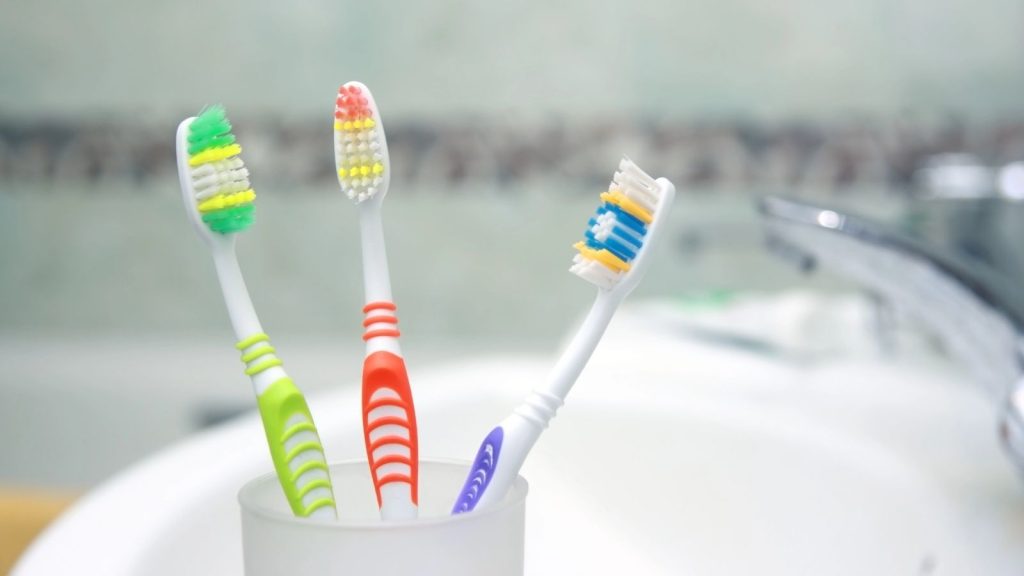
2. Toothbrush Holder
You clean your toothbrush, but what about the holder it sits in?
Toothbrush holders collect water droplets, toothpaste, and airborne bacteria, especially in bathrooms where toilets are flushed nearby. Moist environments make it easy for bacteria to grow.
Wash the holder with soap and hot water weekly, and disinfect it regularly to keep buildup under control.
3. Remote Controls
Remotes are passed around, used during snack time, and rarely cleaned.
They collect skin oils, crumbs, and bacteria from everyone in the house. The gaps between buttons are especially good at trapping grime.
Wipe remotes down weekly with an alcohol-based disinfectant and use a cotton swab to clean between buttons.
4. Kitchen Sink
It looks clean after a rinse, but your sink handles raw meat juices, produce dirt, and leftover food particles every day.
Bacteria can cling to the basin and drain long after you’ve washed dishes.
12 Items You Should Stop Storing Under the Kitchen Sink
5. Light Switches
You probably touch your light switches dozens of times a day and almost never clean them.
These high-touch spots quietly collect germs from everyone in your household. Make it a habit to wipe switches down weekly, especially in bathrooms and kitchens.
6. Phone Screens
Your phone goes everywhere with you including places you wouldn’t want to think about.
Studies have shown phone screens can harbor significant amounts of bacteria because they’re handled constantly and rarely disinfected. Use a microfiber cloth and a screen-safe disinfectant wipe daily to reduce buildup.
7. Cutting Boards
Knife grooves on cutting boards create tiny hiding places for bacteria. If you prep raw meat on the same board you use for vegetables or don’t sanitize thoroughly, cross-contamination becomes a real risk.
Wash boards with hot soapy water after each use and disinfect regularly. Replace heavily scarred boards when needed.
8. Refrigerator Handles
You open the fridge multiple times a day, often while cooking or handling food. Fridge handles collect bacteria quickly, but they’re easy to overlook during routine cleaning.
9. Pillows
You wash pillowcases, but when was the last time you cleaned the pillows themselves? Pillows absorb sweat, dead skin cells, and dust mites. Over time, they become a hidden source of allergens and bacteria.
Wash or replace pillows every few months, as directed.
10. Reusable Grocery Bags
Reusable bags are great for the environment, but not so great if they’re never cleaned.
They carry produce, meat packages, and whatever was sitting in your cart. Bacteria can linger inside and transfer to your groceries.