Plastic storage containers are hard to avoid in most kitchens. They’re inexpensive, easy to stack, and handy for everything from leftovers to pantry staples. It’s easy to reach for one without giving much thought to whether it’s actually the best choice for whatever you’re storing.
Plastic works well for many everyday tasks, but some foods and household products can cause problems. Oily or strongly colored foods can stain the surface, while certain ingredients can leave smells behind long after the container has been washed. Heat can also be an issue, especially with containers not designed for hot foods.
For some items, glass, ceramic, stainless steel, or the original packaging may be a better choice. Here are 10 things people commonly put in plastic containers that are worth storing another way.
Hot Leftovers
It’s convenient to scoop food straight from the pan into a plastic container, especially when you’re cleaning up after dinner. The problem is that not all plastic containers are designed to withstand high temperatures, and some can warp or be damaged when exposed to very hot food.
Check the container’s instructions before using it for hot leftovers. If you’re unsure, let the food cool for a bit or use glass containers that are rated for the temperatures you’ll be dealing with.
Tomato-Based Sauces
Tomato sauce has a talent for turning perfectly clean plastic containers orange. The color can stick around after several washes, especially if the container has developed small scratches from regular use.
A glass container is much less likely to develop those stains and won’t hang onto the smell of tomato sauce in the same way. It’s a particularly handy option if you regularly store pasta sauce, chili, or other tomato-heavy dishes.
Greasy Foods
Fried foods, bacon, and oily leftovers can leave a stubborn film inside plastic containers. Grease can also settle into tiny scratches, which can make the container smell even after a good wash.
Glass and stainless steel tend to be easier to clean after greasy meals. If you’ve ever opened a supposedly clean plastic container and immediately smelled last week’s stir-fry, you already know why some people prefer another option for oily foods.
Highly Acidic Foods
Pickles, citrus, vinegar-based dressings, and some fermented foods are highly acidic. While food-safe plastics are designed for contact with many types of food, not every plastic container is suitable for every ingredient or for long-term storage.
For acidic foods, glass is often a convenient choice. It doesn’t absorb food odors or colors and works well for items such as pickles, homemade dressings, sauces, and marinades.
Alcohol-Based Products
Some household and kitchen products contain alcohol, including certain extracts, mouthwash, and homemade tinctures. The type of plastic matters here because some plastics are more resistant to alcohol than others.
Rather than transferring these products into a random storage container, check the original packaging and follow its storage instructions. For items suitable for glass, a glass bottle or jar can be a better choice for longer storage.
Dairy Products
Milk, yogurt, soft cheeses, and other dairy products can absorb odors from plastic containers, especially if the container previously held something strongly flavored. Plastic can also retain odors from foods such as garlic, onions, curry, or tomato sauce.
Glass containers are useful for dairy because they don’t tend to hold onto those smells. They’re also easy to inspect, so you can see exactly what’s inside without opening the container.
Spices and Dried Herbs
Spices and dried herbs don’t necessarily need glass, but the container does need to keep out moisture and air. If the lid doesn’t seal well, humidity can get inside and cause spices to clump or lose some of their freshness over time.
Small airtight jars are a good option for frequently used spices and herbs. Keep them away from heat and moisture, too, since storing them above the stove can shorten their shelf life regardless of the container.
Coffee Beans
Coffee beans are sensitive to air, light, moisture, and strong odors. A container that doesn’t seal well can cause the beans to lose their freshness, while a container that previously held a strongly scented food can leave an unwanted odor behind.
An airtight, opaque container made from glass, ceramic, or another suitable material can help protect the beans. The container matters, but so does where you keep it. A cool, dry cabinet away from direct sunlight is usually a better spot than a warm counter.
Related: 15 Incredible Ways to Repurpose Used Coffee Grounds
Fresh Produce
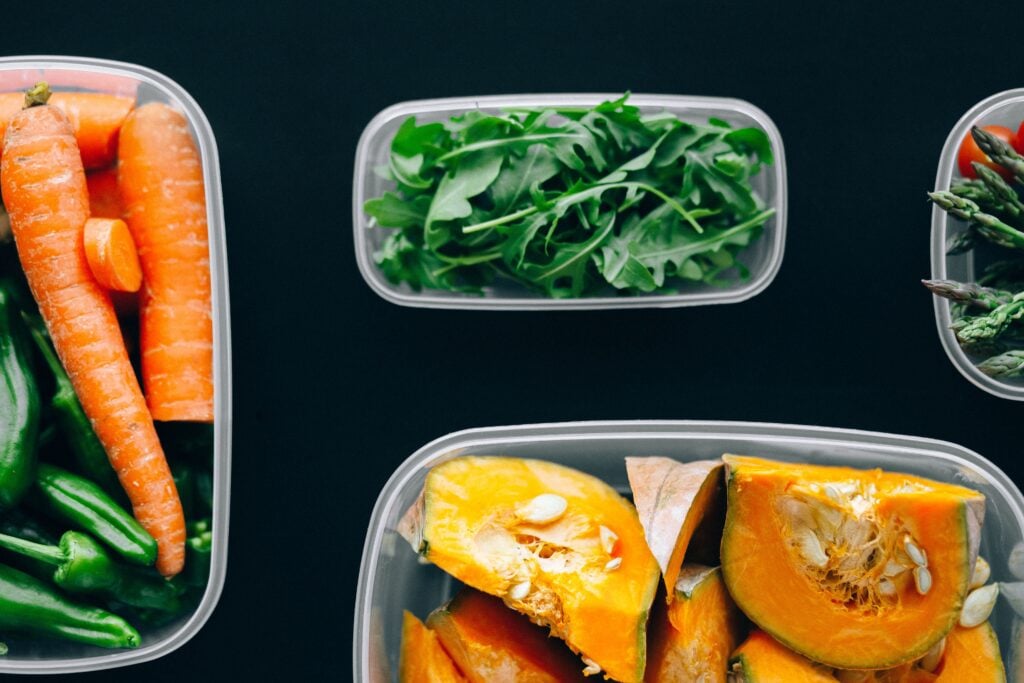
Putting fresh fruits and vegetables into a tightly sealed container isn’t always the best move. Some produce releases moisture or needs airflow, and trapping that moisture can lead to soggy leaves, faster spoilage, or mold.
The right storage method depends on the type of produce. Ventilated containers, produce bags, or simply leaving certain fruits and vegetables loose in the refrigerator can work better than sealing everything inside a plastic container.
Leftover Pizza
Pizza brings together two things that can be rough on plastic: tomato sauce and grease. The sauce can stain the container, while oily cheese and toppings can leave behind a smell that’s difficult to wash out.
Glass containers can make pizza leftovers easier to deal with, while foil or parchment can also work for short-term storage when appropriate. Whatever you use, let the pizza cool according to safe food-storage practices before putting it away.
Cleaning Supplies
Cleaning products are a different matter from food. Some contain chemicals that can damage or weaken certain plastics, and transferring a product into an unsuitable container can create a leak or other safety problem.
Keep cleaning products in their original containers whenever possible. The original bottle is usually labeled with storage and handling information, and keeping that label with the product makes it much easier to identify what’s inside.
Plastic containers are useful, but they aren’t a one-size-fits-all storage solution. A container that works perfectly for leftover rice may be a poor choice for tomato sauce, coffee beans, or a household cleaner.
Before moving something into a different container, check what it needs for safe storage. A few extra seconds of thought can save you from stained containers, lingering odors, spoiled food, or a storage problem that wasn’t worth the shortcut.